
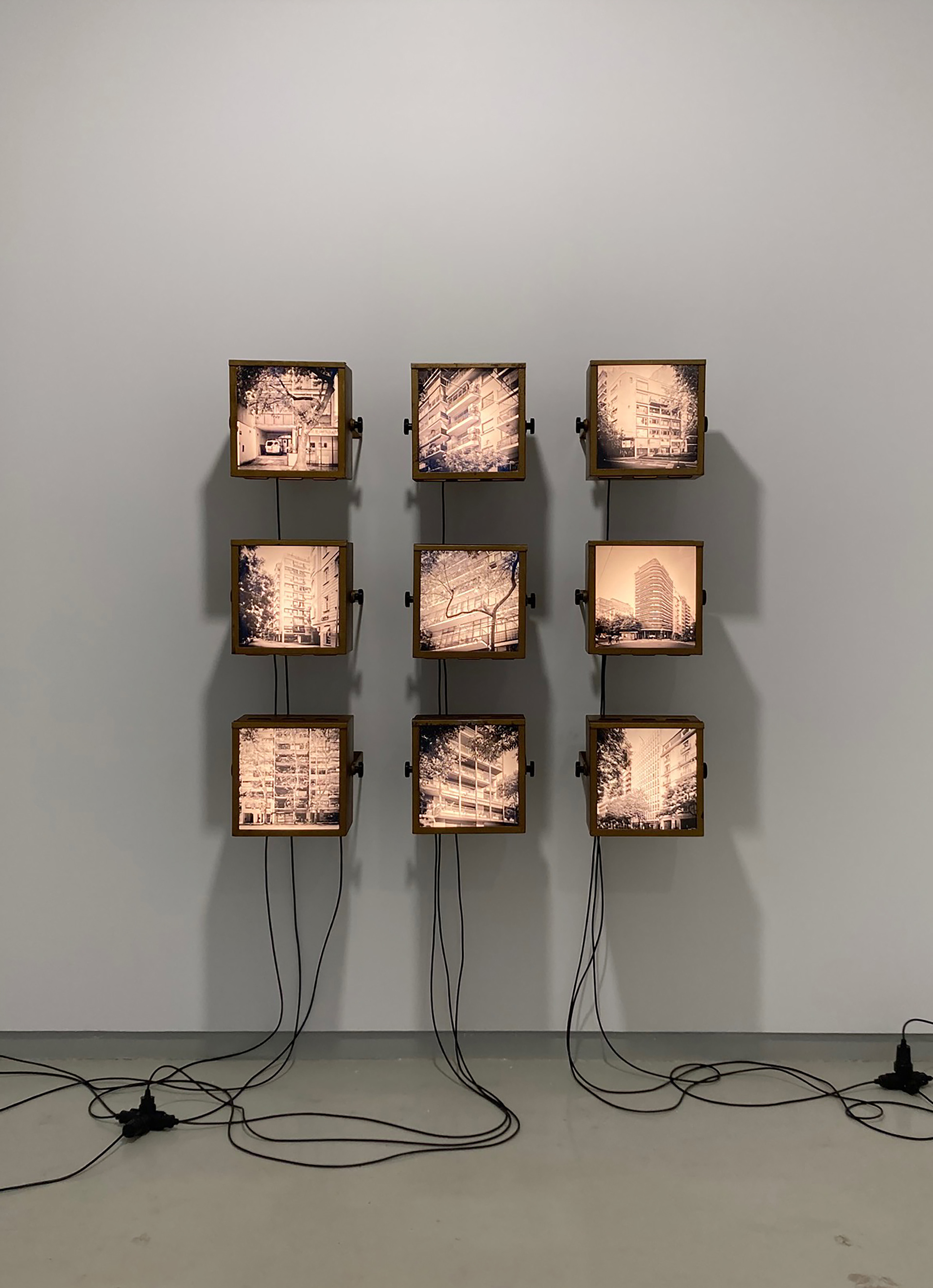
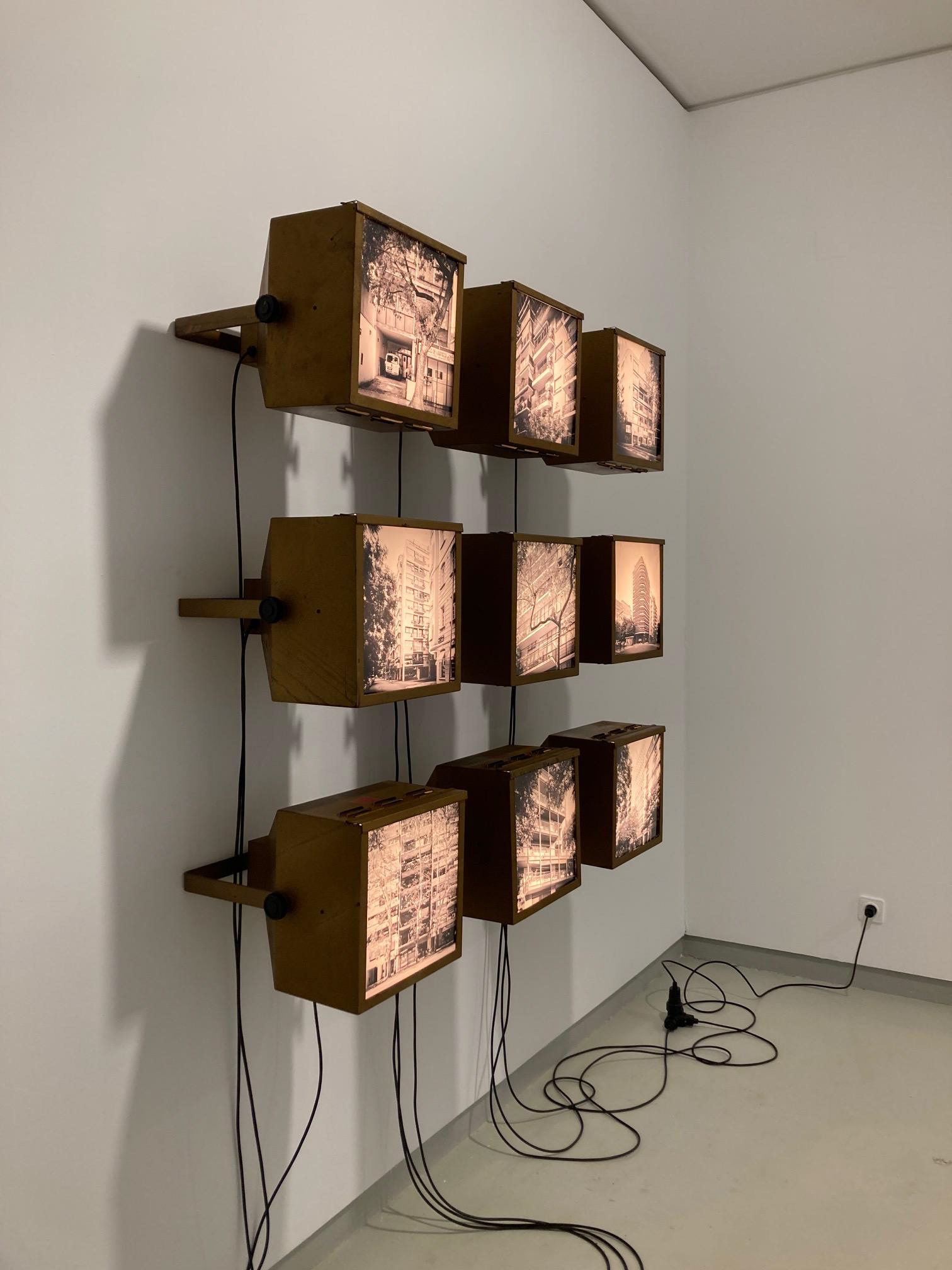
Panel consisting of nine photographs of different residential buildings constructed between 1939 and 1970 by the first Argentine women architects.
Umbral results from research into works by the first Argentinian female architects working in Buenos Aires.
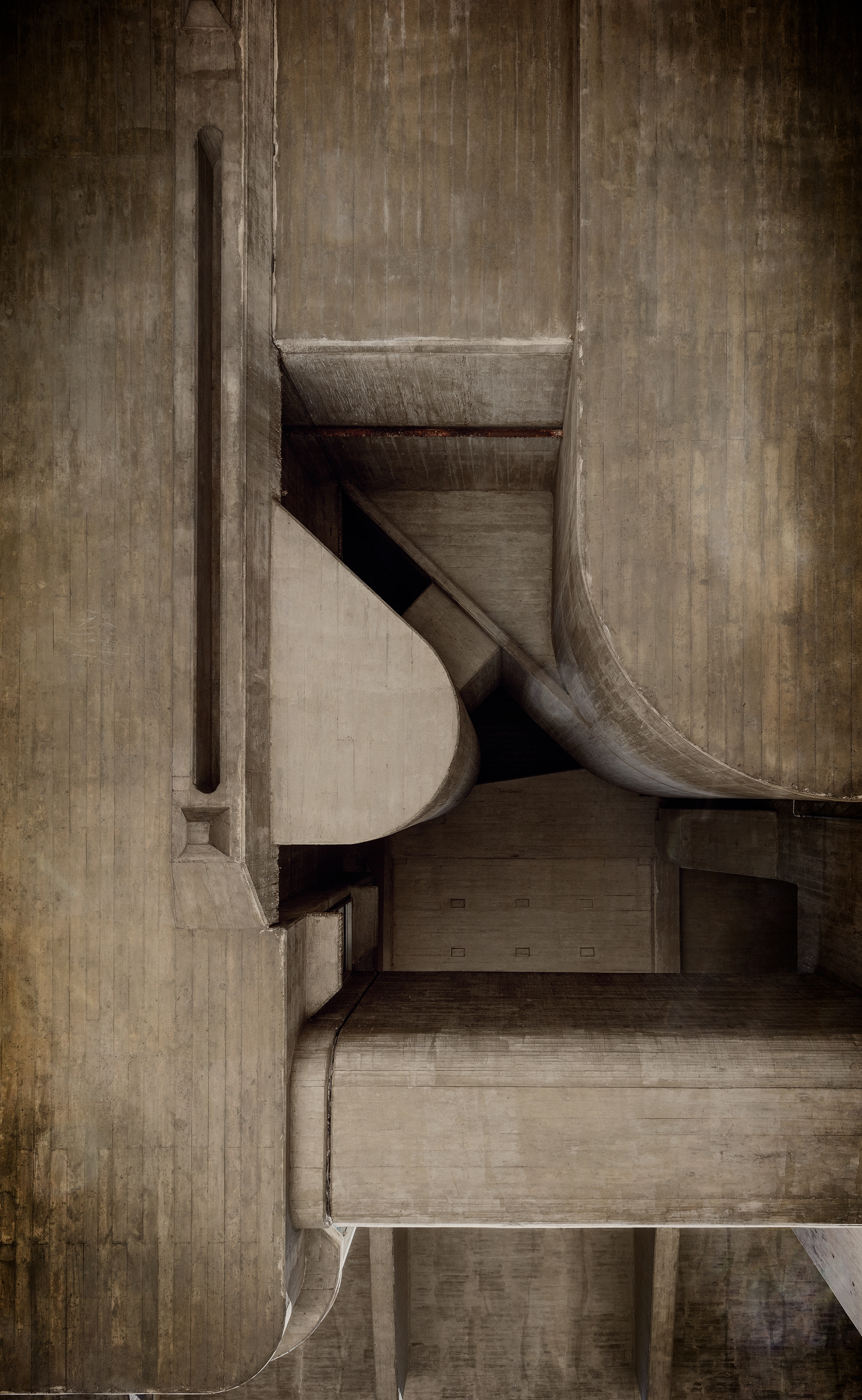
The Sixth Pantheon of Chacarita, designed in 1958 by Ítala Fulvia Villa, one of the first women to graduate in architecture from the University of Buenos Aires, imposes itself as the dominant structure of this series. Brilliant work of modernity, both rationalist and brutalist, classified in 2023 as a monument of public interest, it was, for years, voted to oblivion. With its surfaces, wedged between the earth and the sky, they have become impregnated with the beautiful and inimitable stains of time and use.
Perhaps as an effect of the patriarchal perspective of history, the authorship of the Sixth Pantheon was often confused with being one of the project's young collaborators, the architect Clorindo Testa. This finding was a trigger for the emergence of Umbral.
Through so many kilometers on foot through the hustle and bustle of the streets of huge Buenos Aires, among many admirable buildings of the city's modern architecture, this series brings together several works captured from a female perspective and revealed with ambitious Feminism.
The Sixth Pantheon of Chacarita, designed in 1958 by Ítala Fulvia Villa, one of the first women to graduate in architecture from the University of Buenos Aires, imposes itself as the dominant structure of this series. Brilliant work of modernity, both rationalist and brutalist, classified in 2023 as a monument of public interest, it was, for years, voted to oblivion. With its surfaces, wedged between the earth and the sky, they have become impregnated with the beautiful and inimitable stains of time and use.
Perhaps as an effect of the patriarchal perspective of history, the authorship of the Sixth Pantheon was often confused with being one of the project's young collaborators, the architect Clorindo Testa. This finding was a trigger for the emergence of Umbral.
Through so many kilometers on foot through the hustle and bustle of the streets of huge Buenos Aires, among many admirable buildings of the city's modern architecture, this series brings together several works captured from a female perspective and revealed with ambitious Feminism.
Umbral discovers buildings such as the house of Victoria Ocampo, one of the main intellectual figures of her time, a great fighter for the causes of women, freedom and antifascism, sister of Silvina Ocampo. Like the Teatro Colón, where you can see camouflaged boxes used by widows who could not be seen watching the shows. Like the Ministry of Public Works building, where Evita Perón gave the famous Renunciamiento speech. Or as the set of nine distinct more or less anonymous residential buildings, built between 1939 and 1970, with architectural projects designed by women.
Inês d’Orey continues her investigation into the city’s heritage identity contemporary culture, its places and contexts. With Umbral, she discovers Buenos Aires as a device that allows you to read a feminine narrative of the city.
In Umbral, 3 sculptures are presented, inspired by existing modules in the Sixth Pantheon of Chacarita, in Buenos Aires. They function as a tribute to Ítala Fulvia Villa designs. Originally made of concrete and integrated into a repetitive pattern in banisters or panels, they can be identified in some of the photographs from the same series.
They were exemplarily executed by @diogo.amaro in acacia wood with Japanese fittings, without a single screw.
A panel made with 9 photographs with different residential buildings built between 1939 and 1970 by the first Argentinian female architects is also presented. Ítala Fulvia Villa, Violeta Lorraine Pouchkine, Angelina Camicia, Alicia Cazzaniga, Carmen Córdova, Mabel Lapacó, Lydia Esther Prat, Débora Di Veroli, Beatriz Escudero e Maria Teresa Egozcue.
Inês d’Orey continues her investigation into the city’s heritage identity contemporary culture, its places and contexts. With Umbral, she discovers Buenos Aires as a device that allows you to read a feminine narrative of the city.
In Umbral, 3 sculptures are presented, inspired by existing modules in the Sixth Pantheon of Chacarita, in Buenos Aires. They function as a tribute to Ítala Fulvia Villa designs. Originally made of concrete and integrated into a repetitive pattern in banisters or panels, they can be identified in some of the photographs from the same series.
They were exemplarily executed by @diogo.amaro in acacia wood with Japanese fittings, without a single screw.
A panel made with 9 photographs with different residential buildings built between 1939 and 1970 by the first Argentinian female architects is also presented. Ítala Fulvia Villa, Violeta Lorraine Pouchkine, Angelina Camicia, Alicia Cazzaniga, Carmen Córdova, Mabel Lapacó, Lydia Esther Prat, Débora Di Veroli, Beatriz Escudero e Maria Teresa Egozcue.
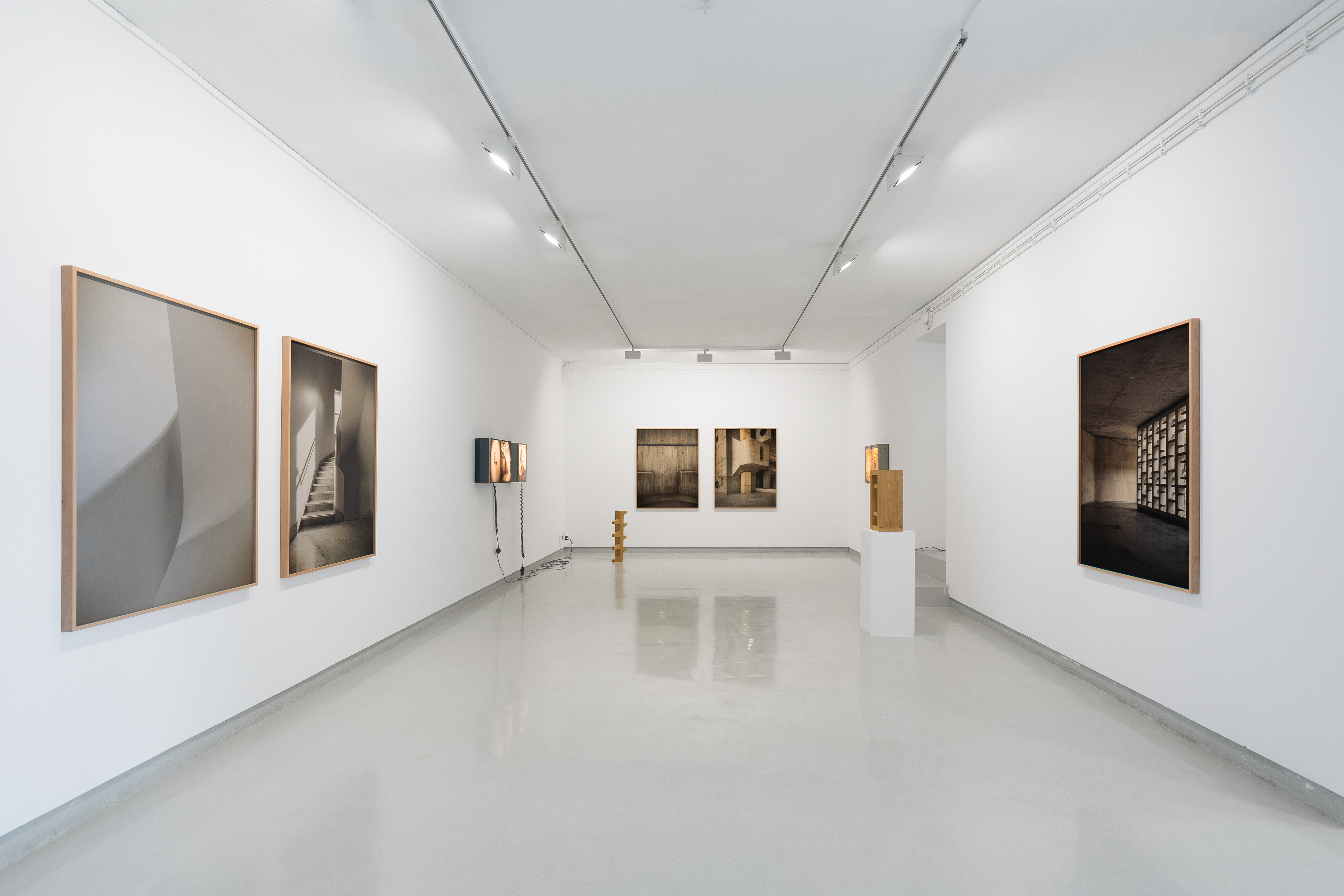
Umbral: A word frequently found in the poetry of Argentine poet Alejandra Pizarnik (1936–72), a contemporary of Victoria Ocampo and in love with her sister, the writer Silvina Ocampo. Umbral means a limit, a point of passage to the interior, or the beginning of something. Exhibition view at Galeria Presença. 2023.
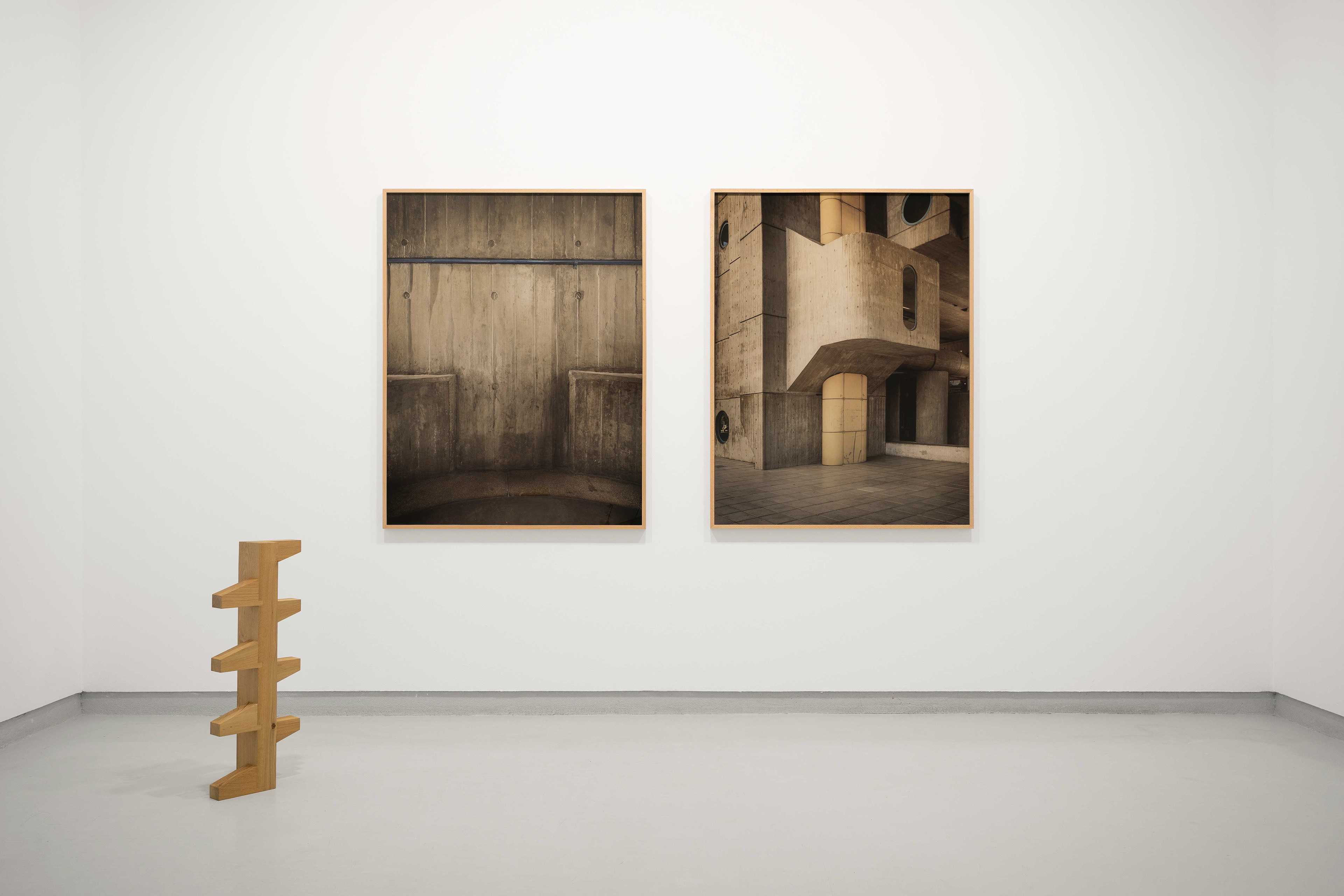
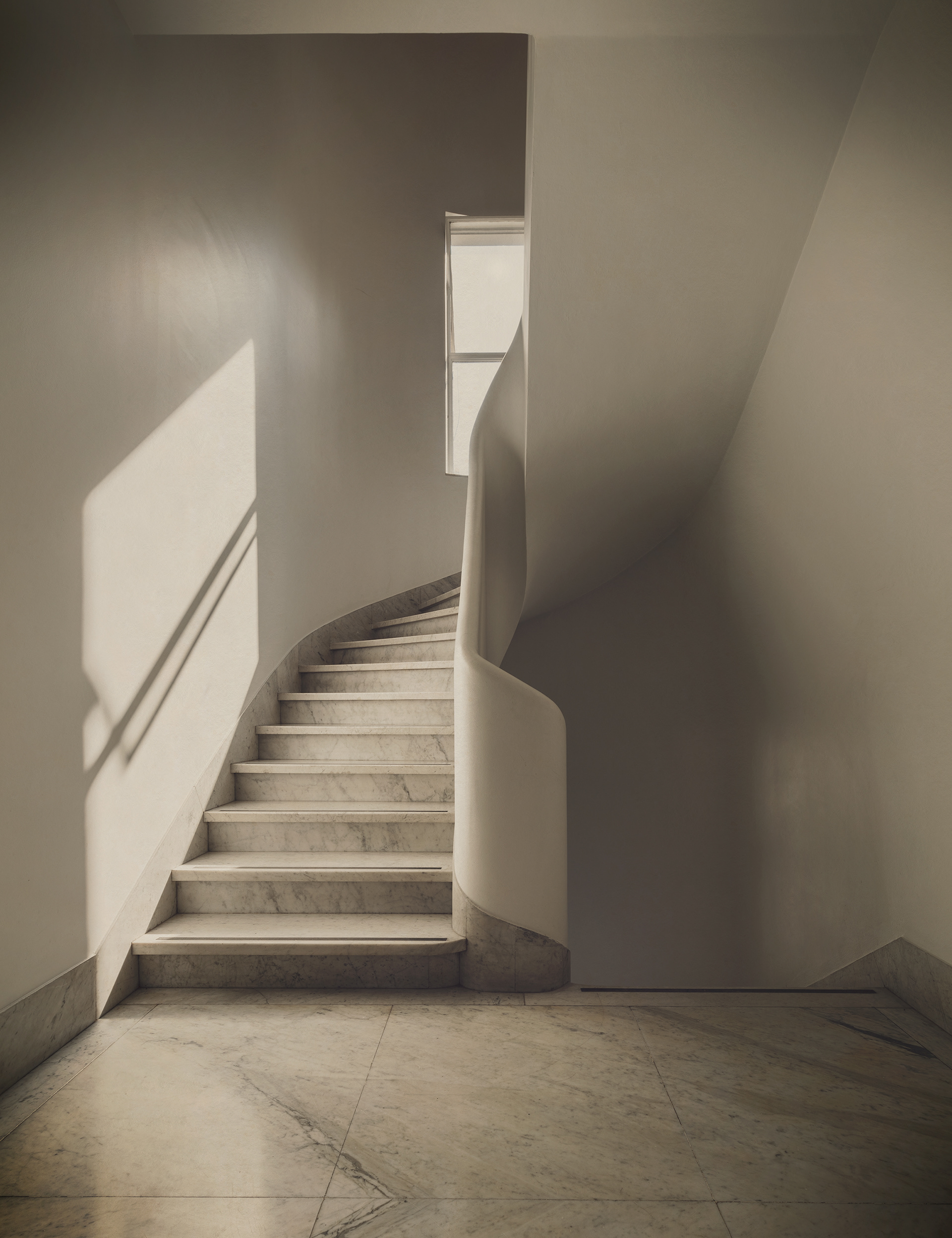
Biblioteca Nacional Mariano Moreno O edifício da Biblioteca Nacional é um projeto dos arquitetos Clorindo Testa, Francisco Bullrich e Alicia Cazzaniga, vencedores do primeiro prémio no concurso internacional realizado em 19 de junho de 1961. Com desenho brutalista, o edifício demorou mais de 30 anos a ser concluído. Teve como director Jorge Luís Borges. Apesar da obra ter autoria de Alicia Cazzaniga, o seu nome é raramente mencionado. Exhibition view at Galeria Presença. 2023.
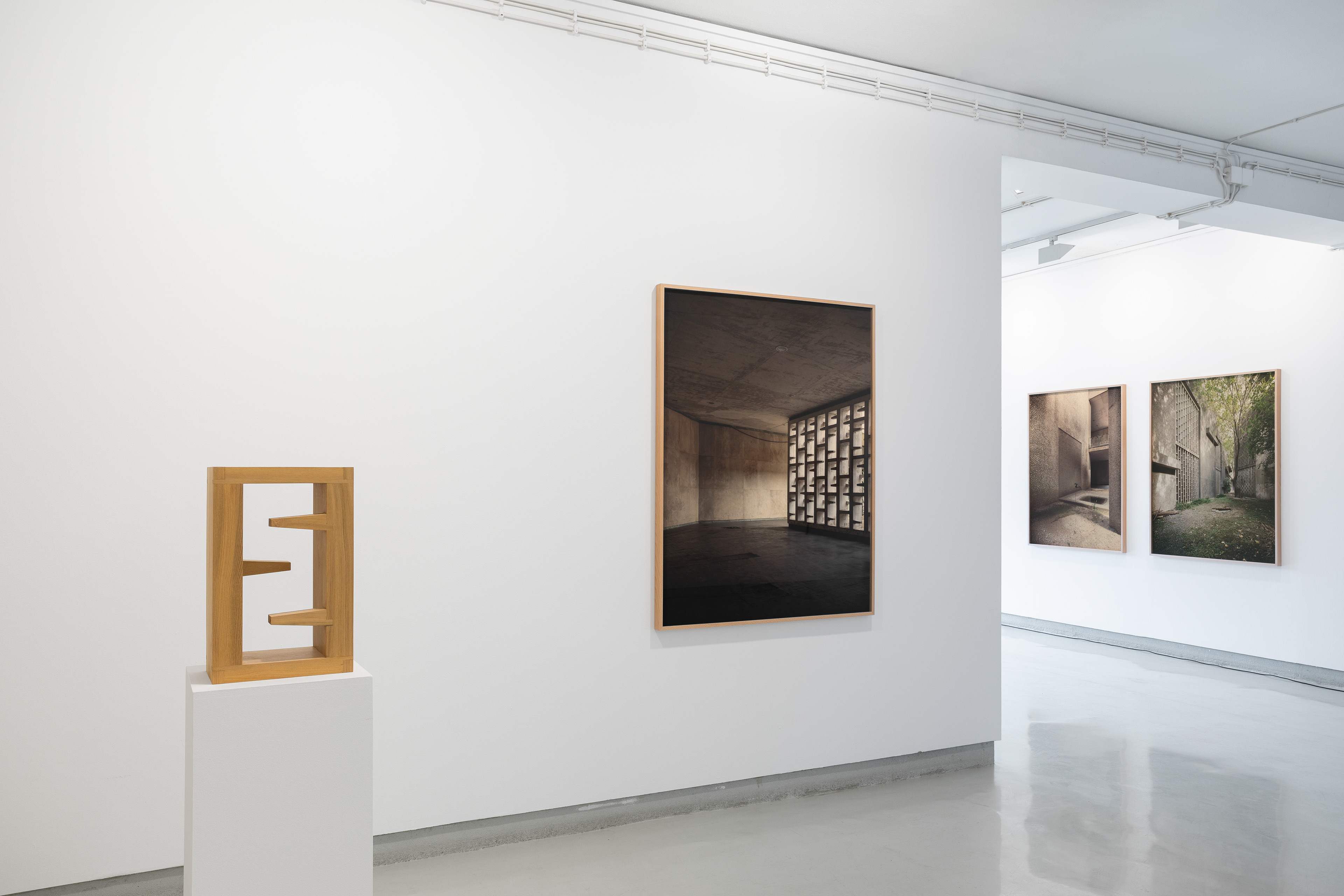
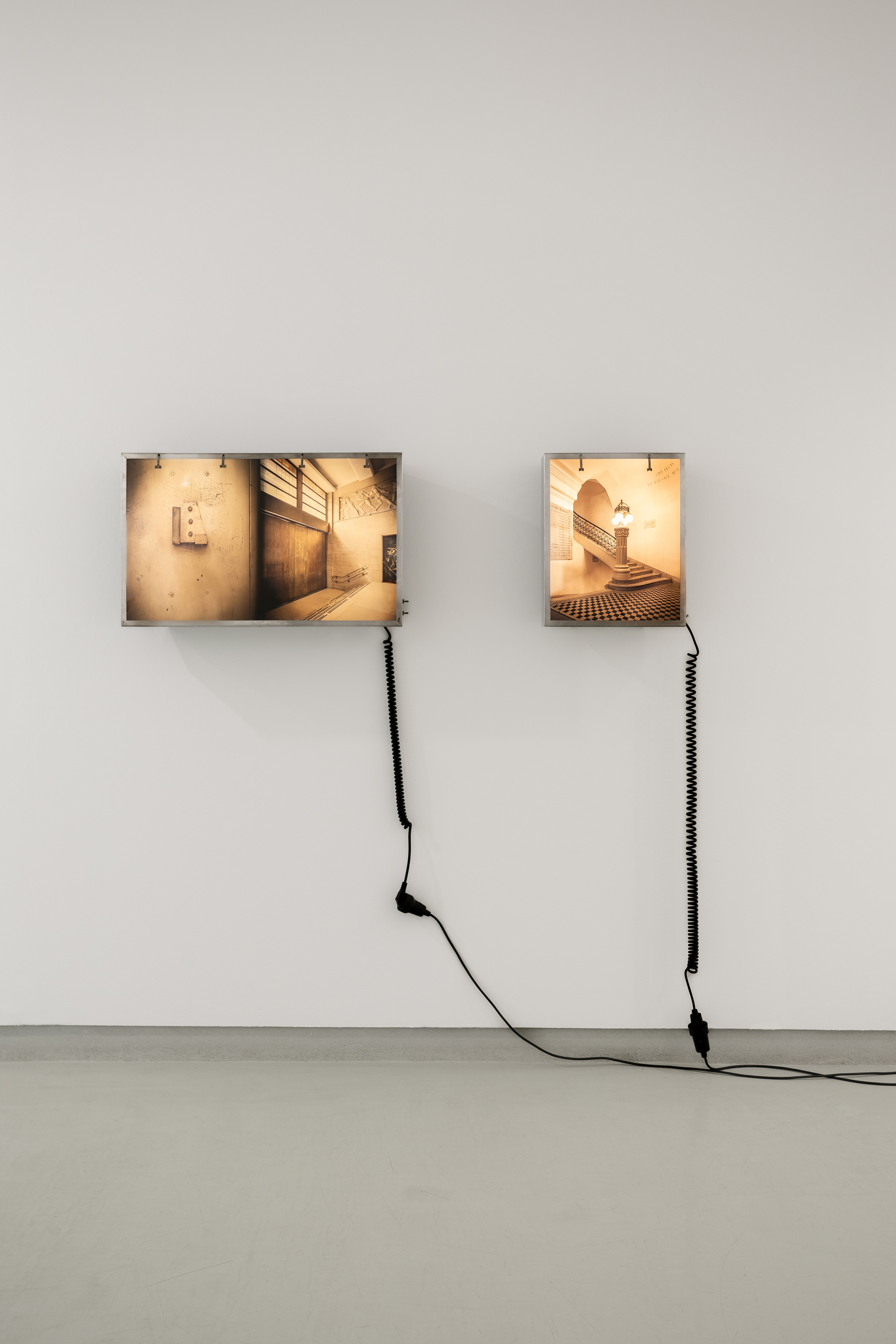
The Sixth Pantheon of Chacarita, designed in 1958 by Ítala Fulvia Villa (1913–1991), one of the first women to graduate in architecture from the University of Buenos Aires, is a Rationalist and Brutalist work that was largely forgotten and whose authorship was for years attributed solely to her collaborator, architect Clorindo Testa. A modern reinterpretation of the Roman catacombs, the underground cemetery is a striking sculptural labyrinth of corridors illuminated by courtyard light, containing 40,000 burial niches across 95 hectares. Exhibition view at Galeria Presença. 2023.
Exhibition view at Galeria Presença. 2023.
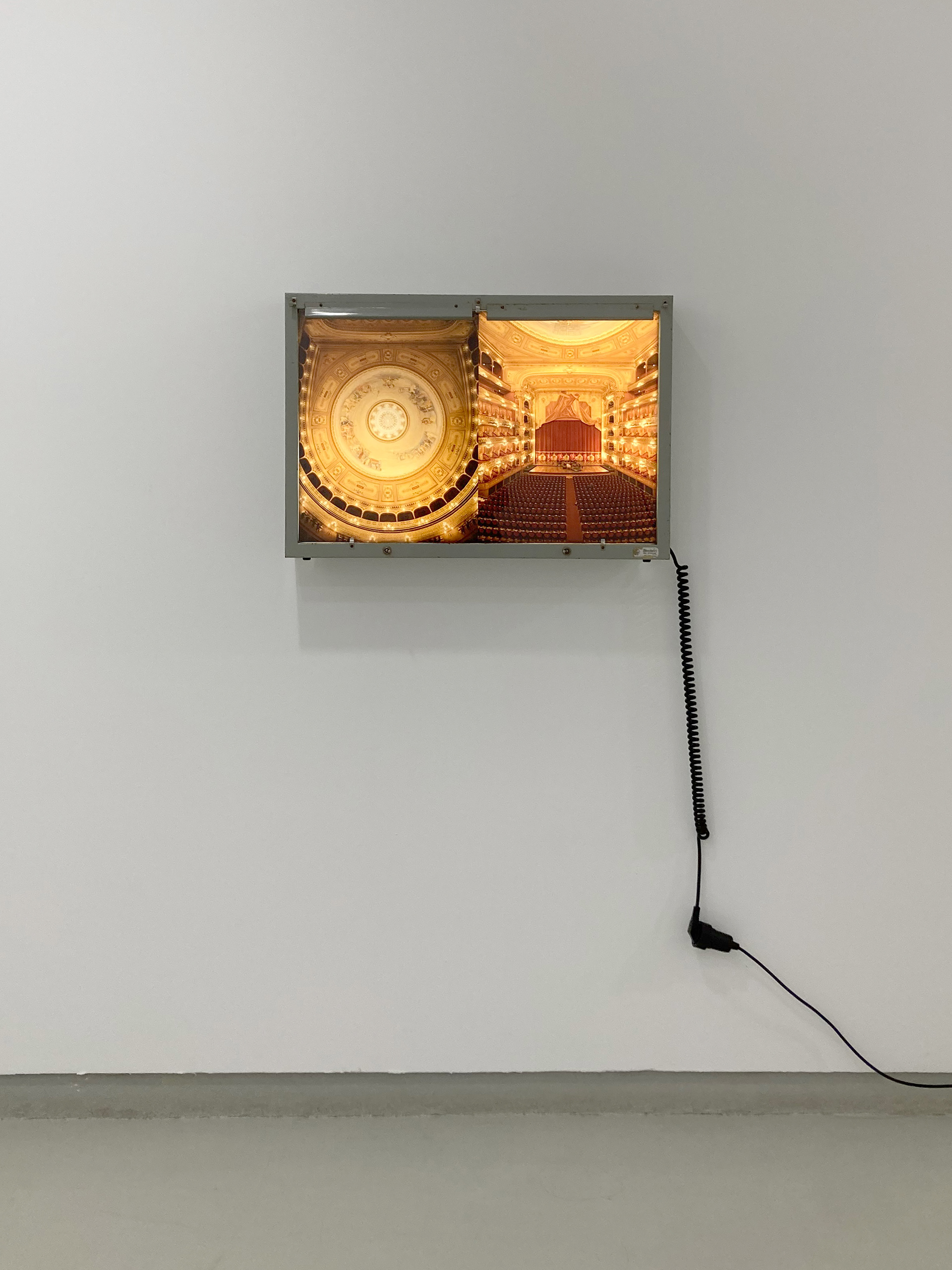
The widows’ boxes are located on either side of the auditorium at the Teatro Colón and enclosed by bronze grilles. For decades, strict and prolonged mourning customs led widows to use these boxes anonymously to attend concerts and operas, entering through a side door and remaining hidden from the audience; after being closed for many years, they are now used by members of the Academic Orchestra of the Instituto Superior de Arte of the Teatro Colón to listen to concerts.
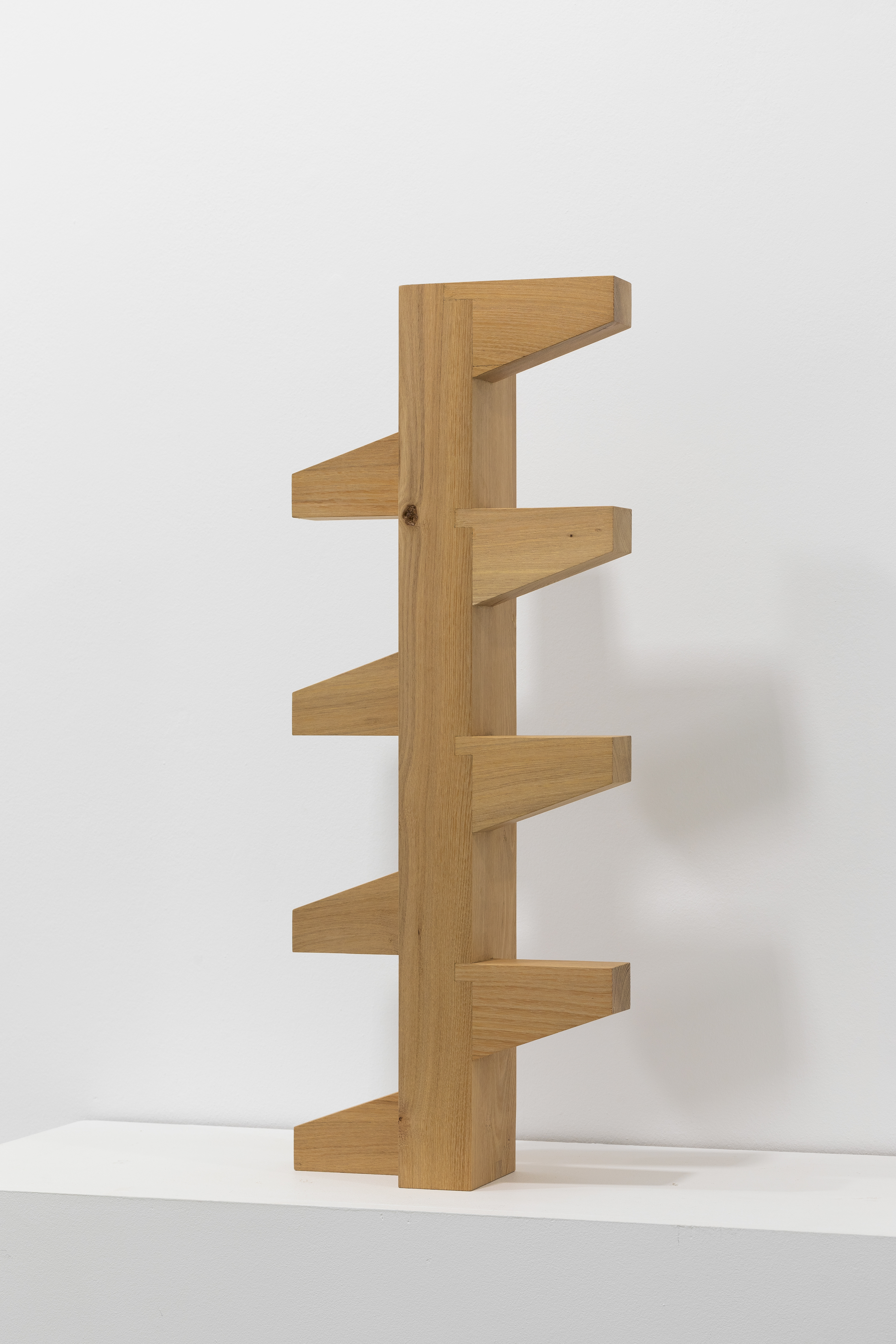
Umbral #3. Sculpture in acacia wood. 74x20x12cm. Edition of 3. The sculptures were designed based on existing modules found in the Sixth Pantheon of Chacarita, serving as a tribute to the work of Ítala Fulvia Villa. Originally made of concrete and integrated into a repetitive pattern of railings or panels, they can be identified in the photographs. They were recreated in acacia wood using Japanese joinery, without a single screw.
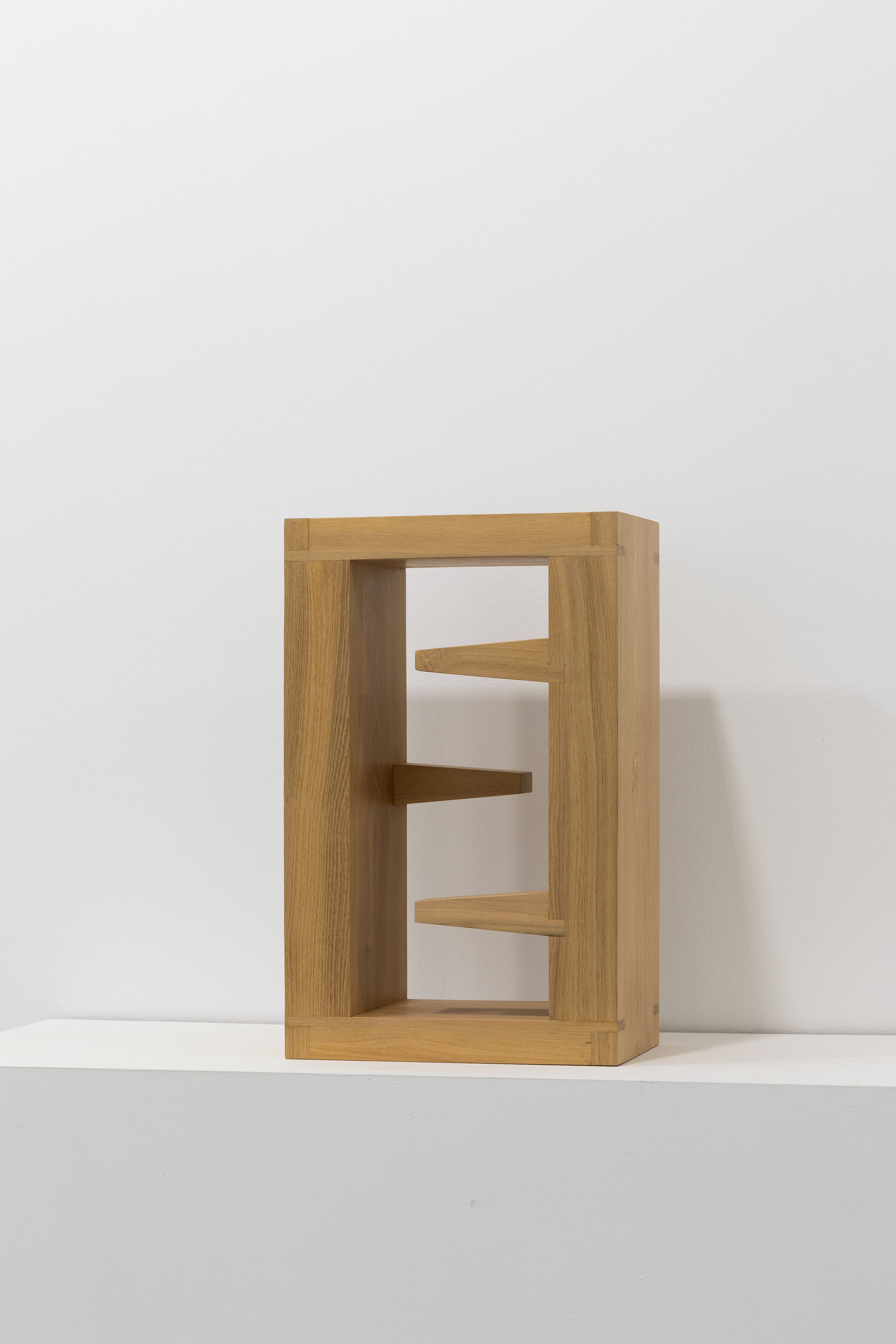
Umbral #2. Sculpture in acacia wood. 74x20x12cm. Edition of 3.
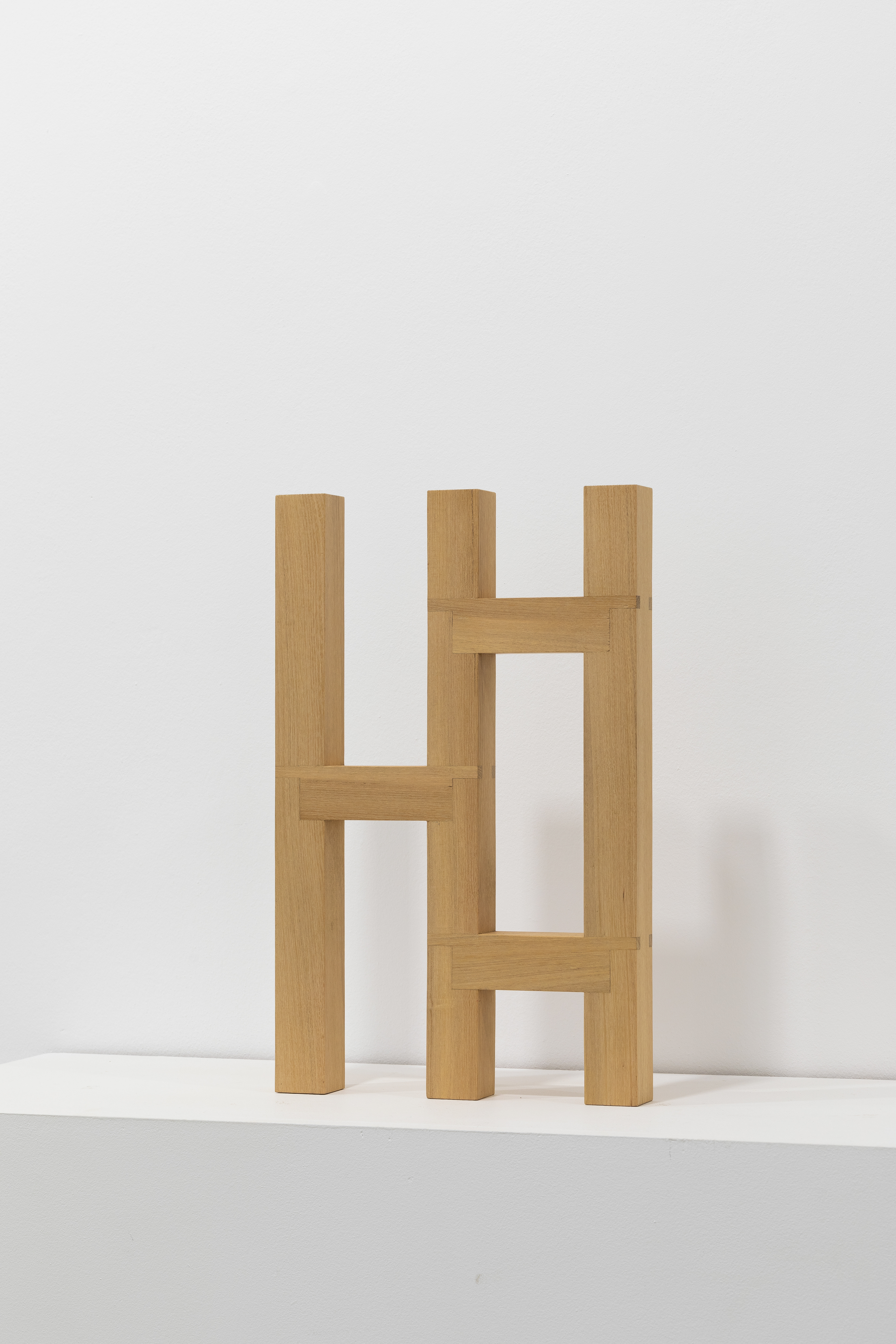
Umbral #1. Sculpture in acacia wood. 74x20x12cm. Edition of 3.
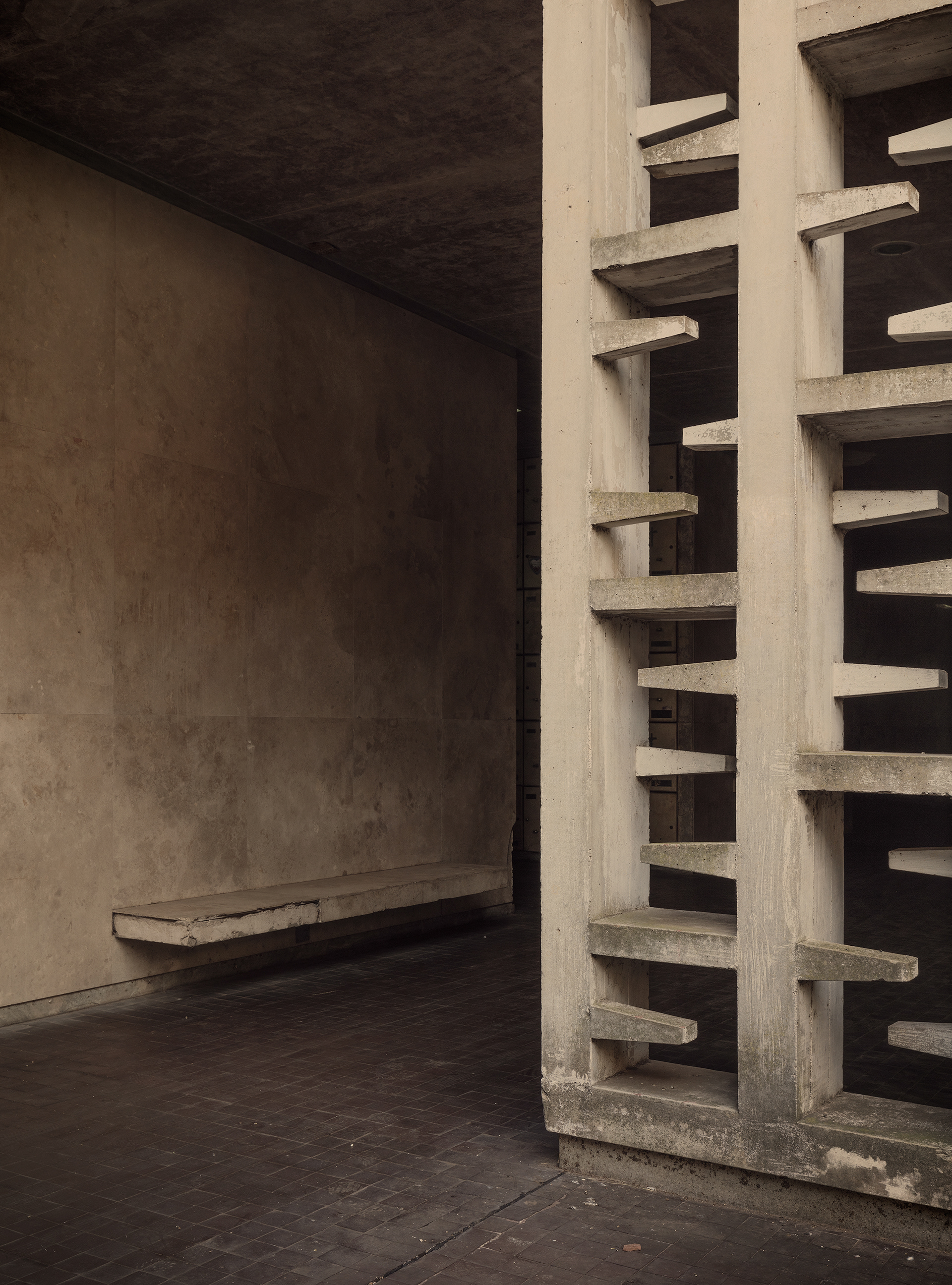
Chacarita #1. Fine Art Photographic Print. 135x100cm. Beech frame with museum glass. Edition of 3 + AP.
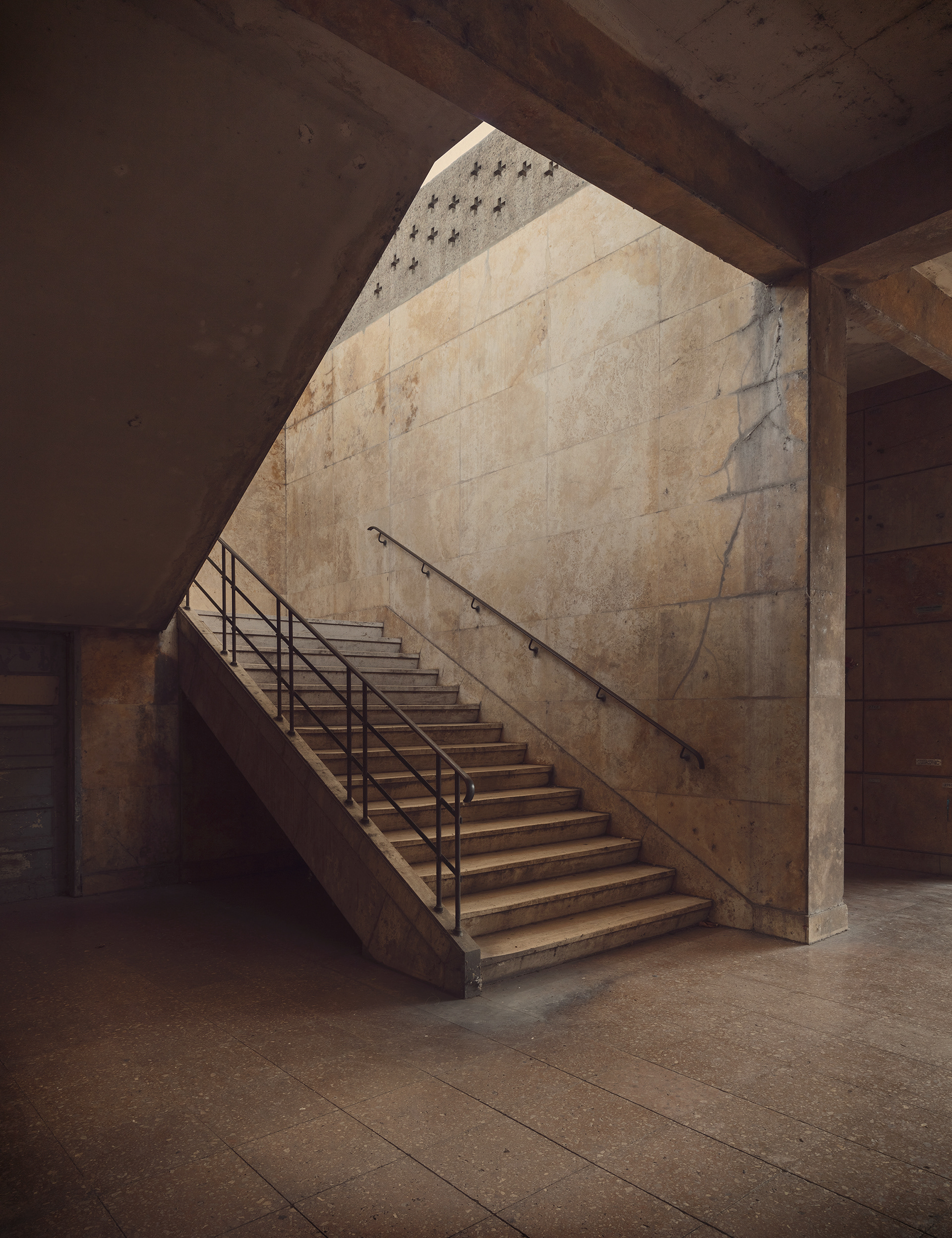
Chacarita #9. Fine Art Photographic Print. 130x100cm. Beech frame with museum glass. Edition of 3 + AP.
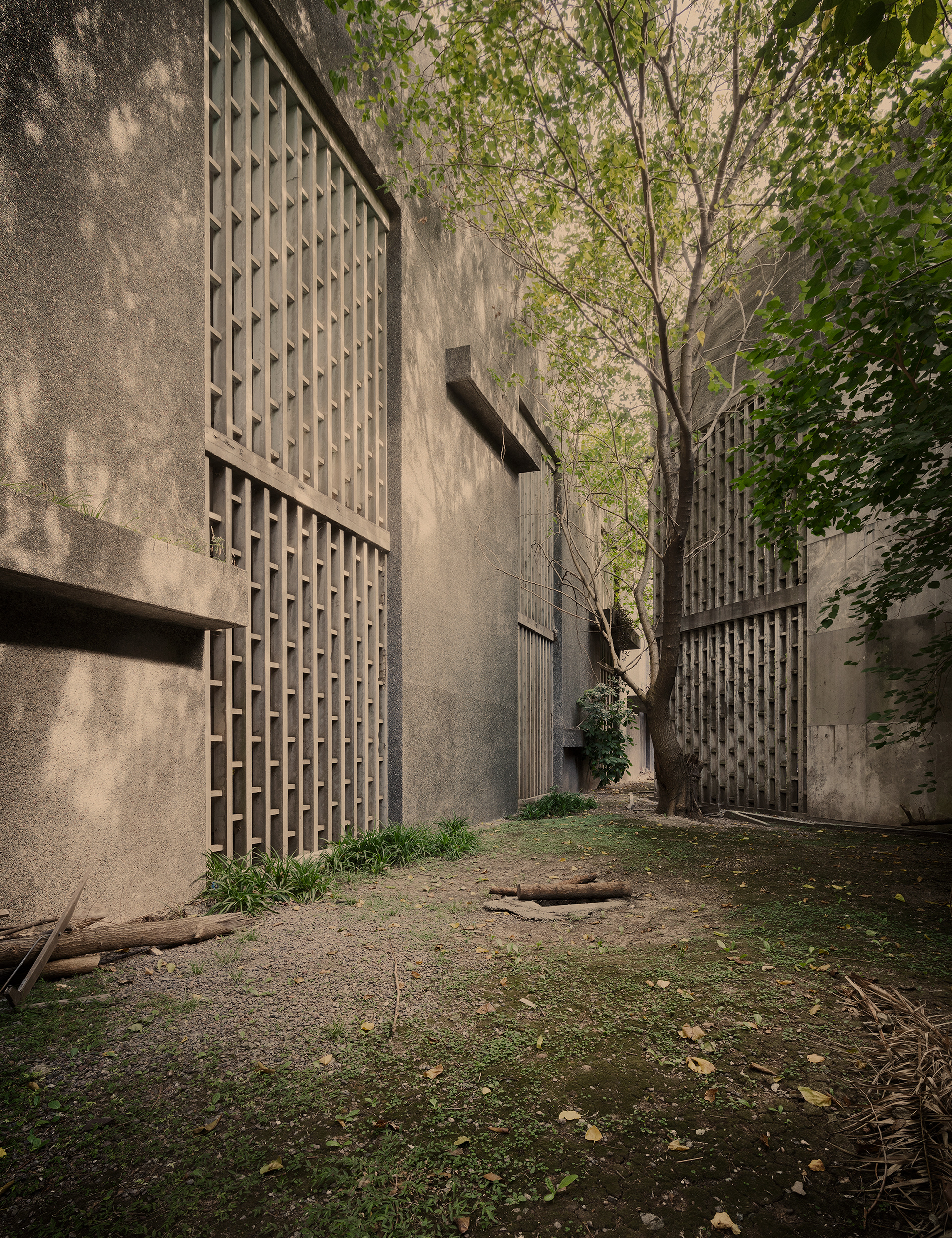
Chacarita #7. Fine Art Photographic Print. 130x100cm. Beech frame with museum glass. Edition of 3 + AP.
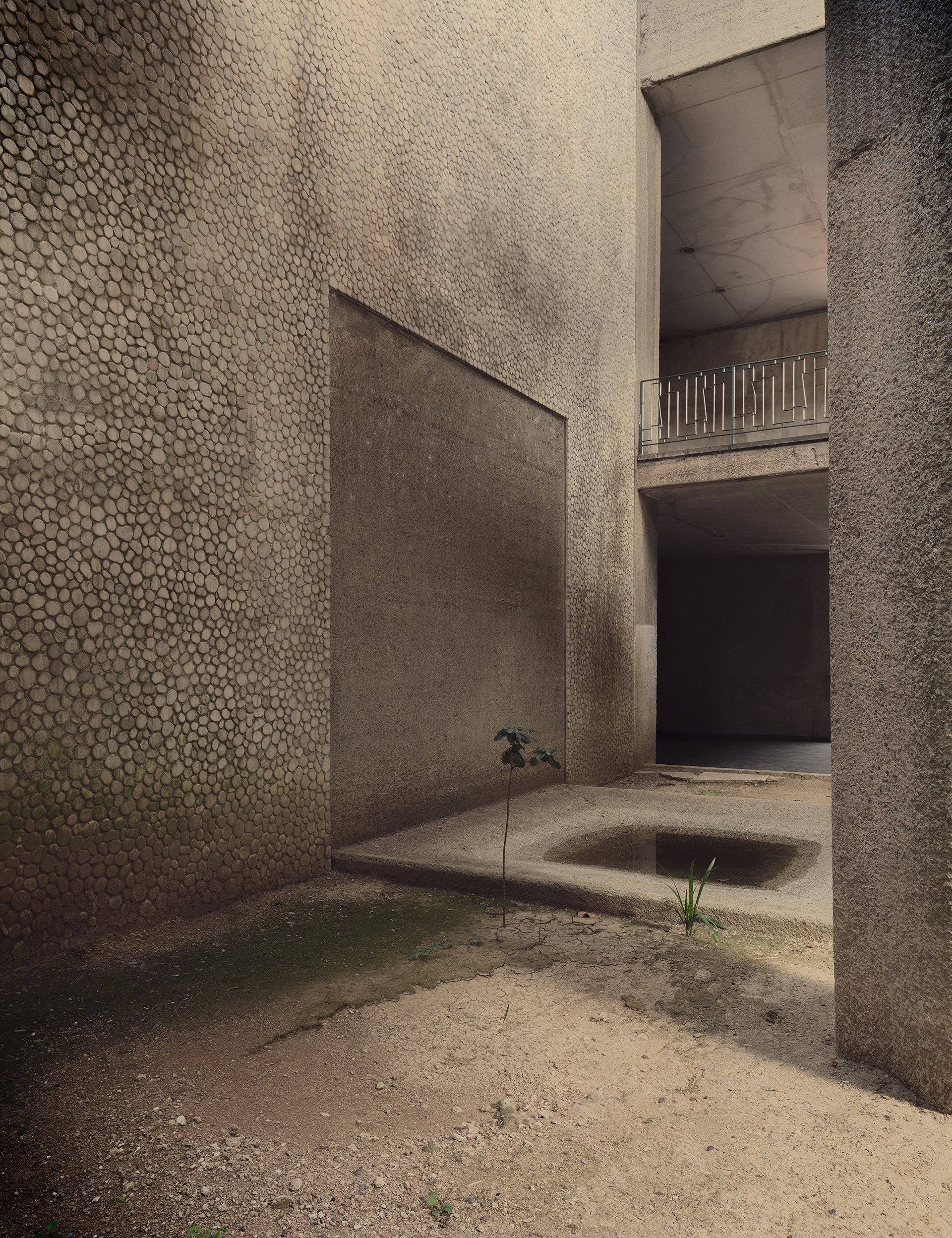
Chacarita #8. Fine Art Photographic Print. 130x100cm. Beech frame with museum glass. Edition of 3 + AP.
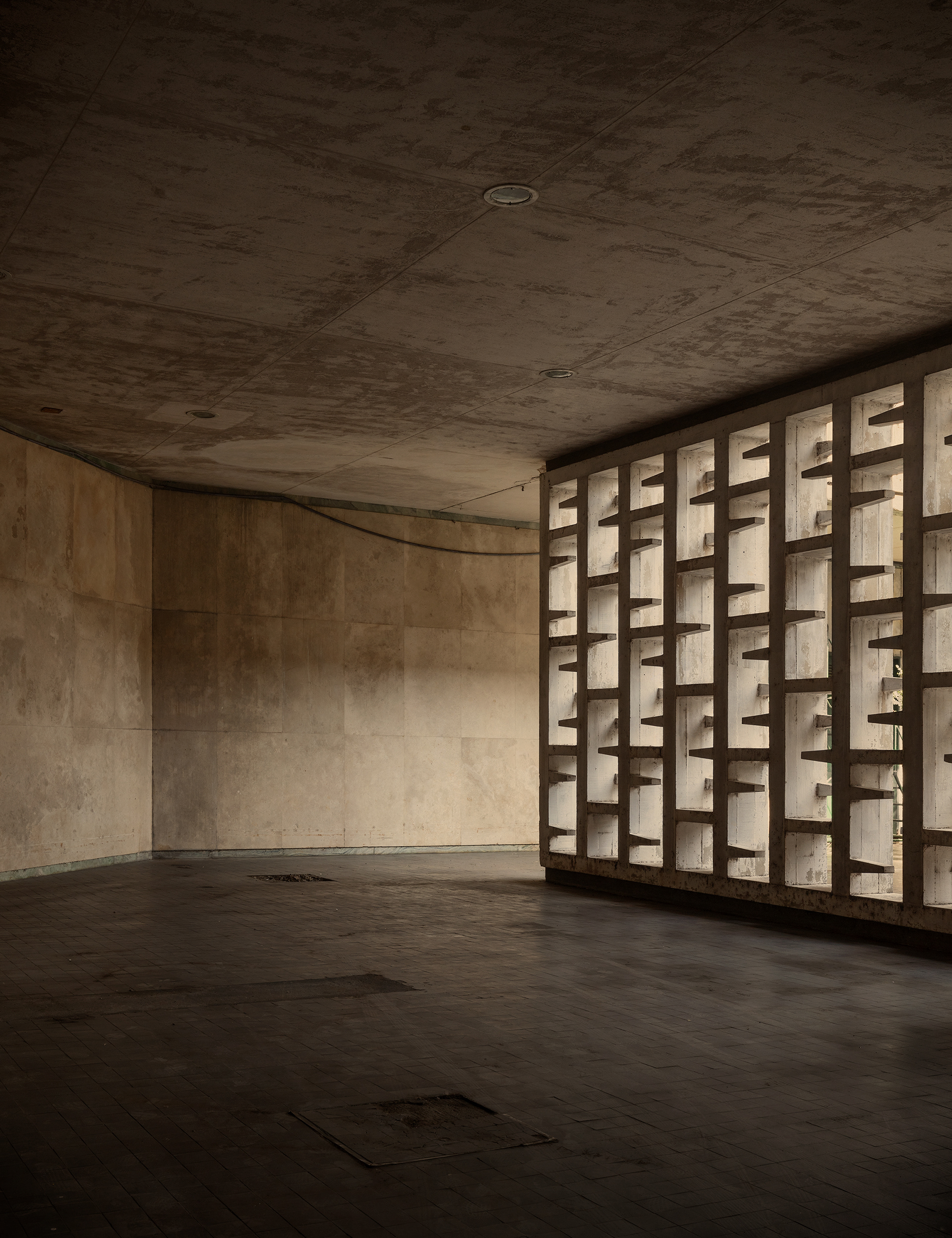
Chacarita #10. Fine Art Photographic Print. 130x100cm. Beech frame with museum glass. Edition of 3 + AP.
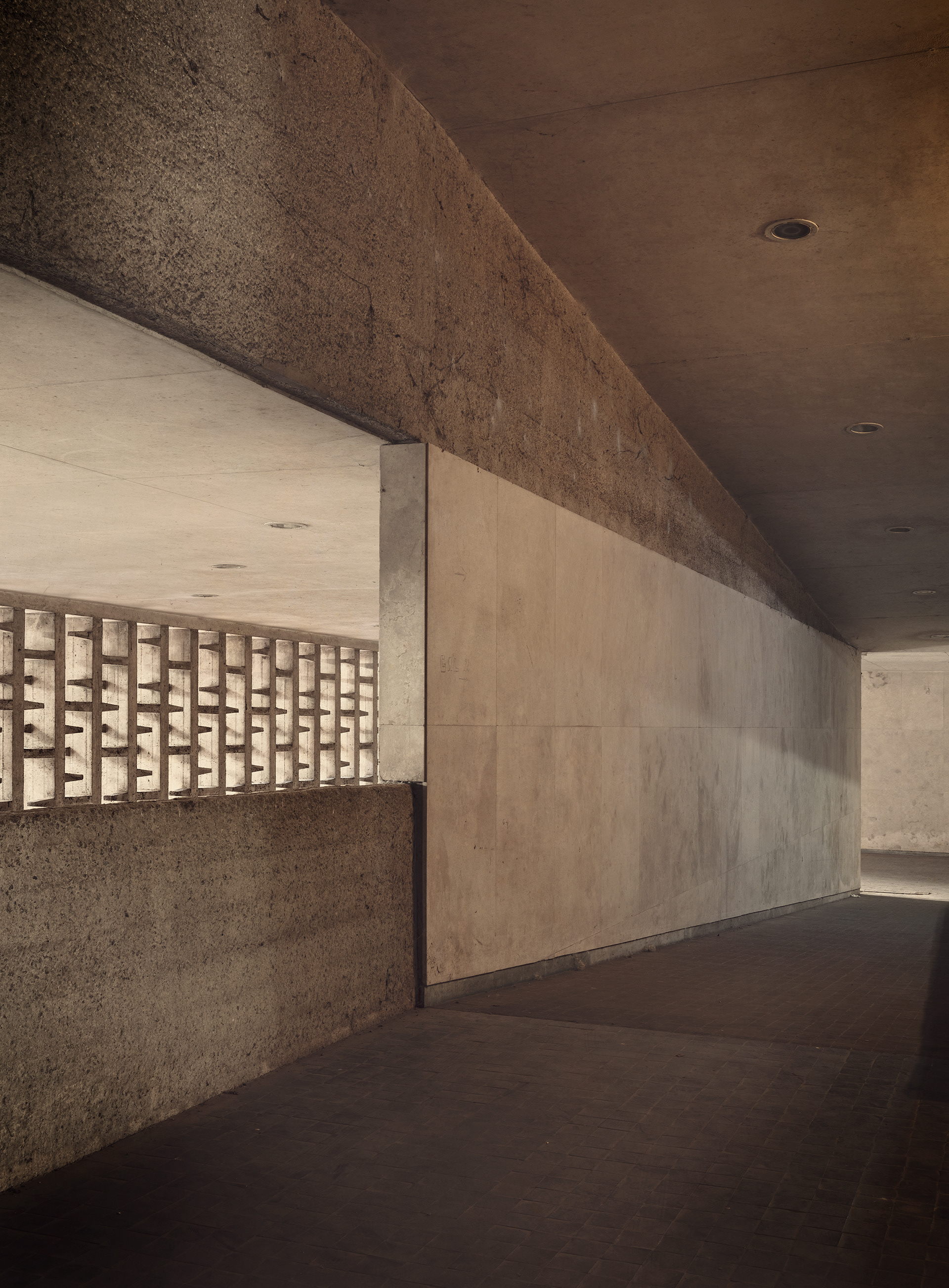
Chacarita #3. Fine Art Photographic Print. 66x90cm. Beech frame with museum glass. Edition of 3 + AP.
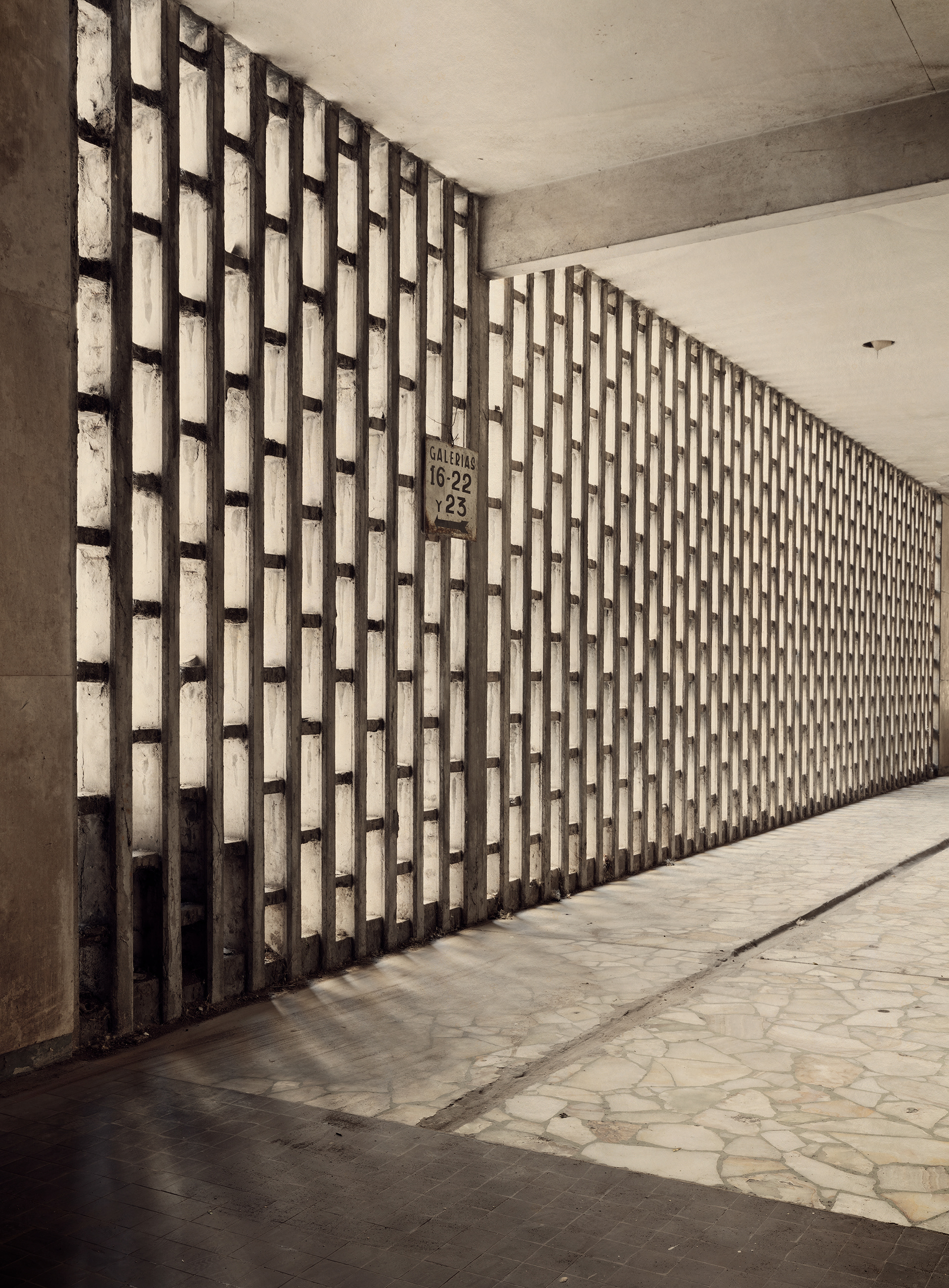
Chacarita #5. Fine Art Photographic Print. 66x90cm. Beech frame with museum glass. Edition of 3 + AP.
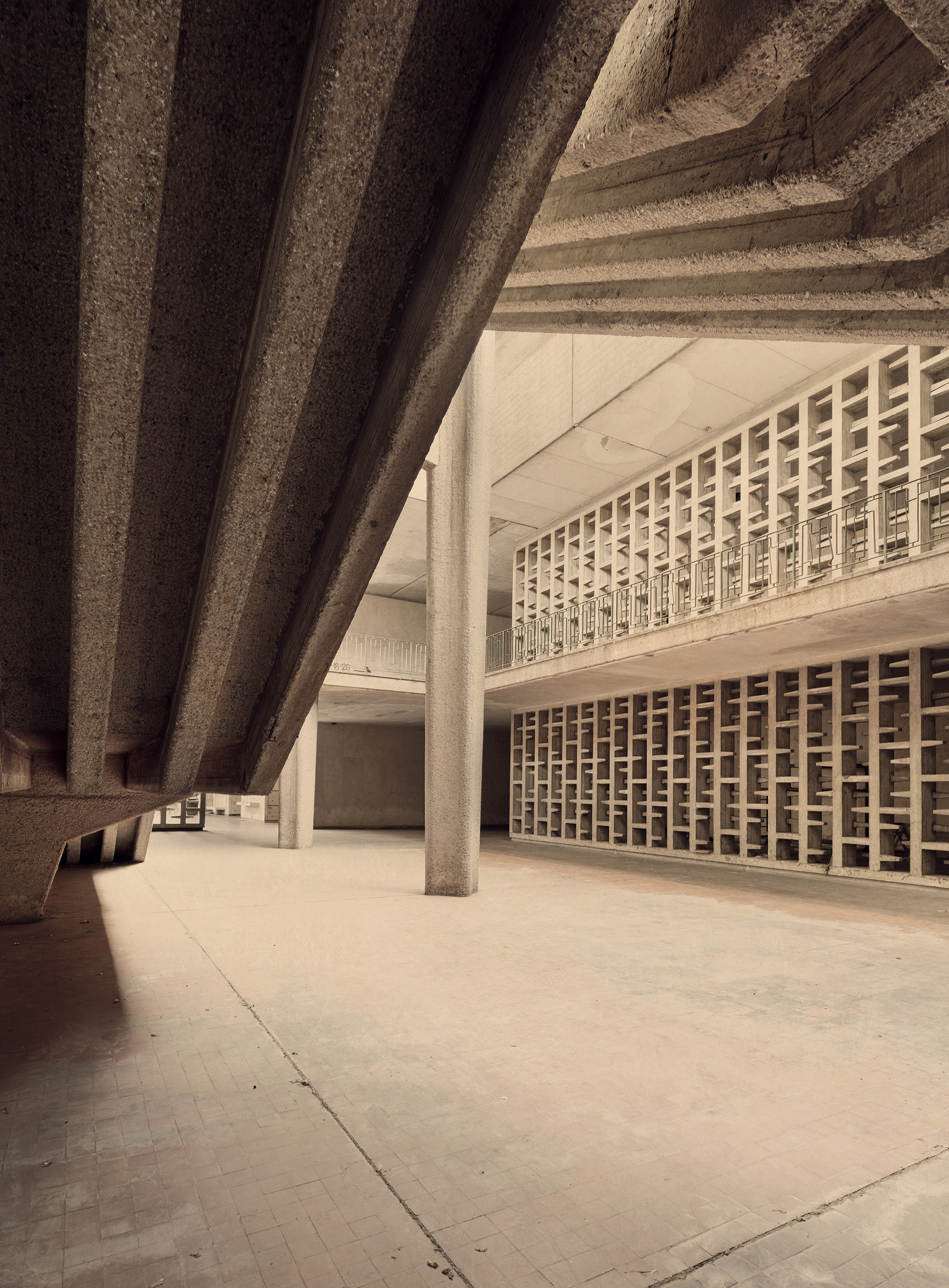
Chacarita #4. Fine Art Photographic Print. 66x90cm. Beech frame with museum glass. Edition of 3 + AP.
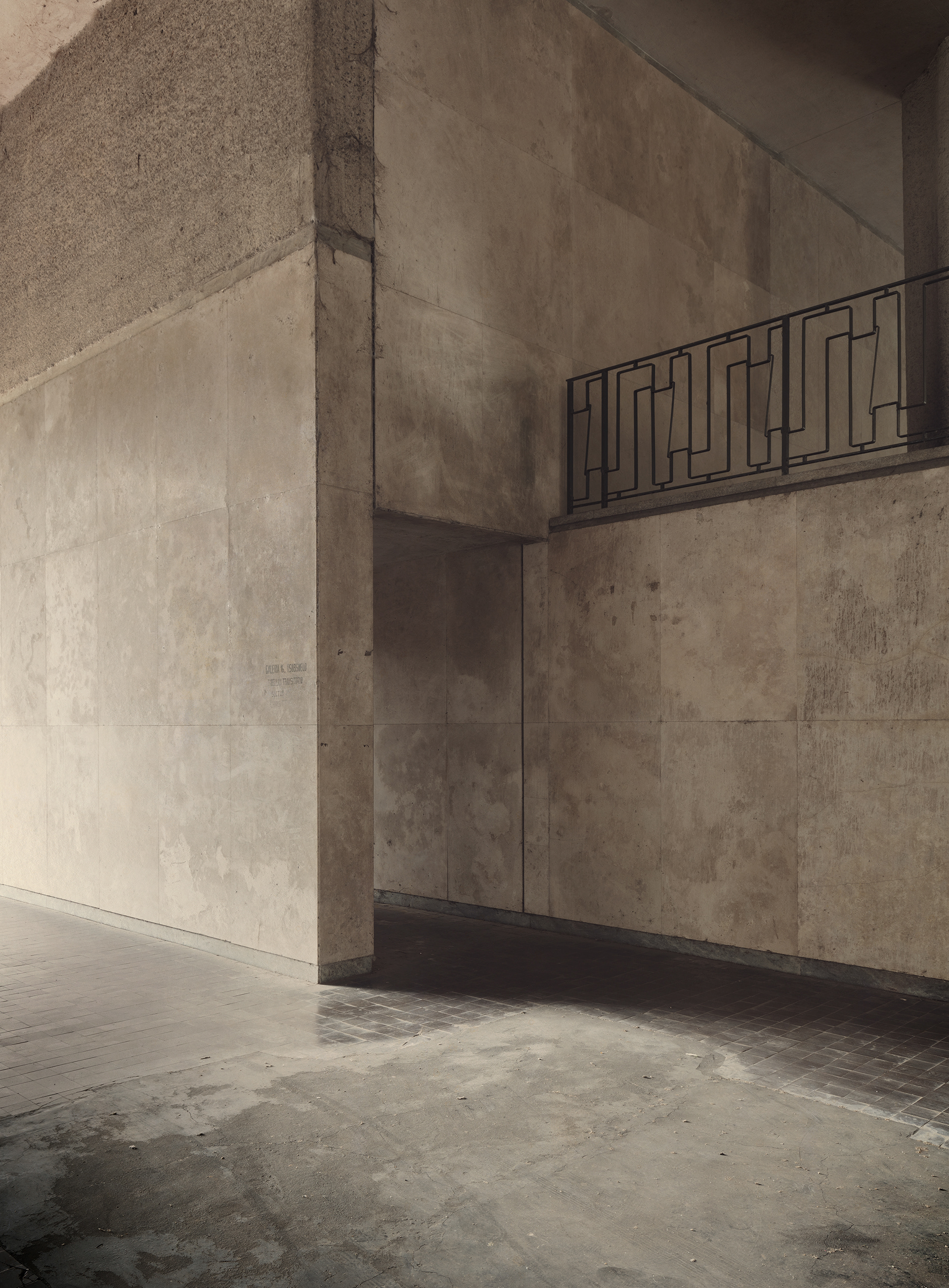
Chacarita #1. Fine Art Photographic Print. 66x90cm. Beech frame with museum glass. Edition of 3 + AP.
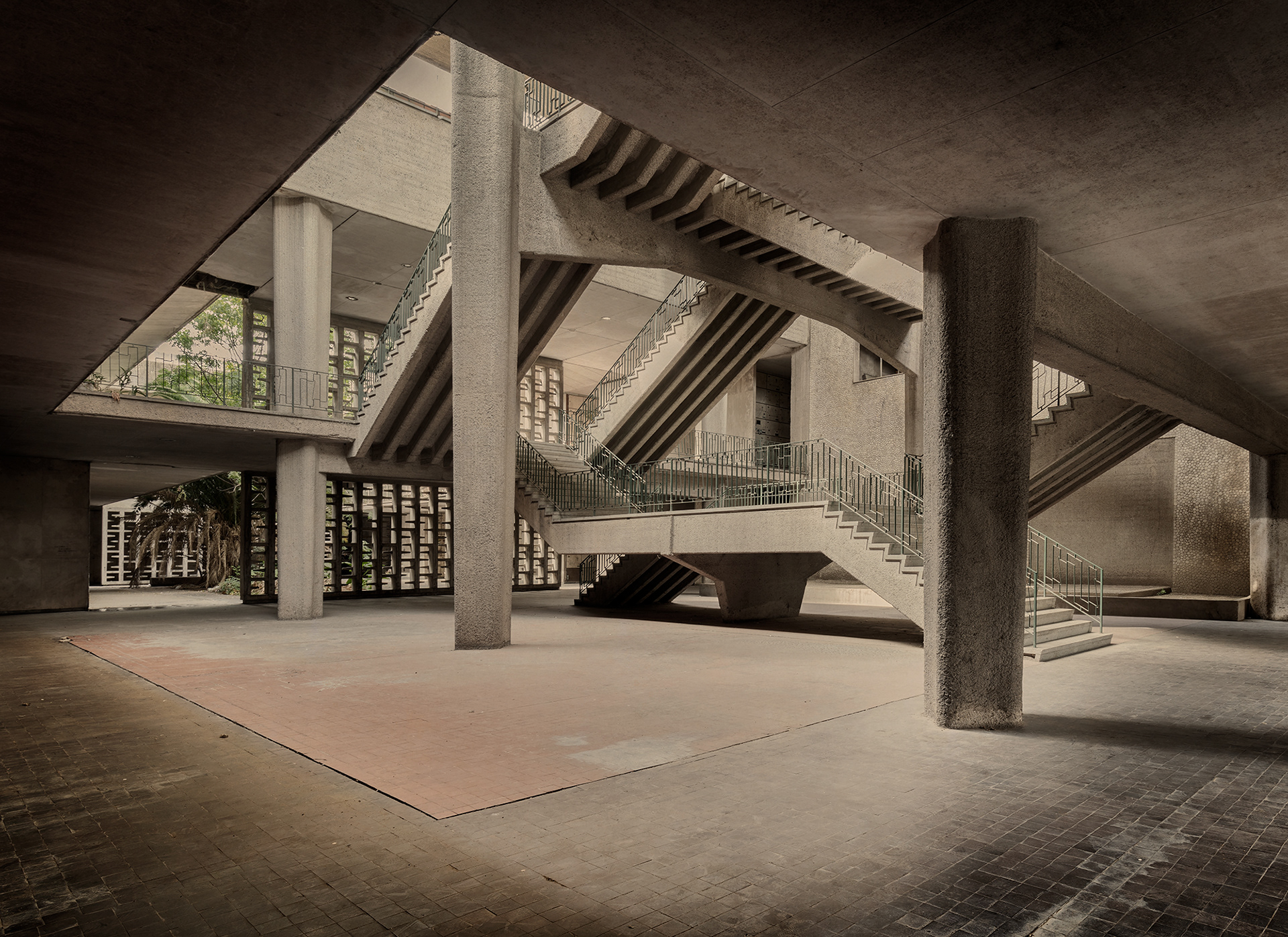
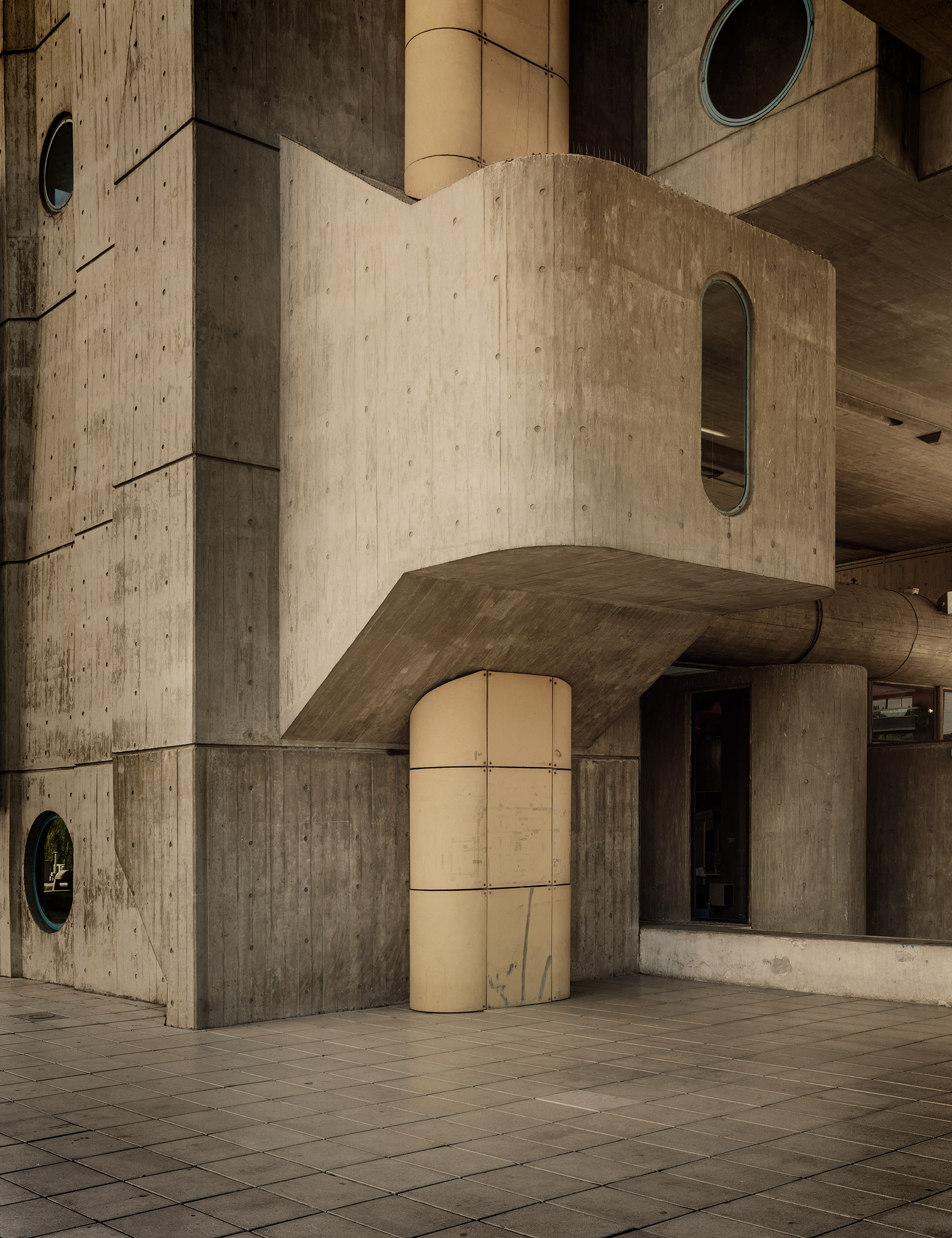
Biblioteca Nacional #4. Fine Art Photographic Print. 130x100cm. Beech frame with museum glass. Edition of 3 + AP.
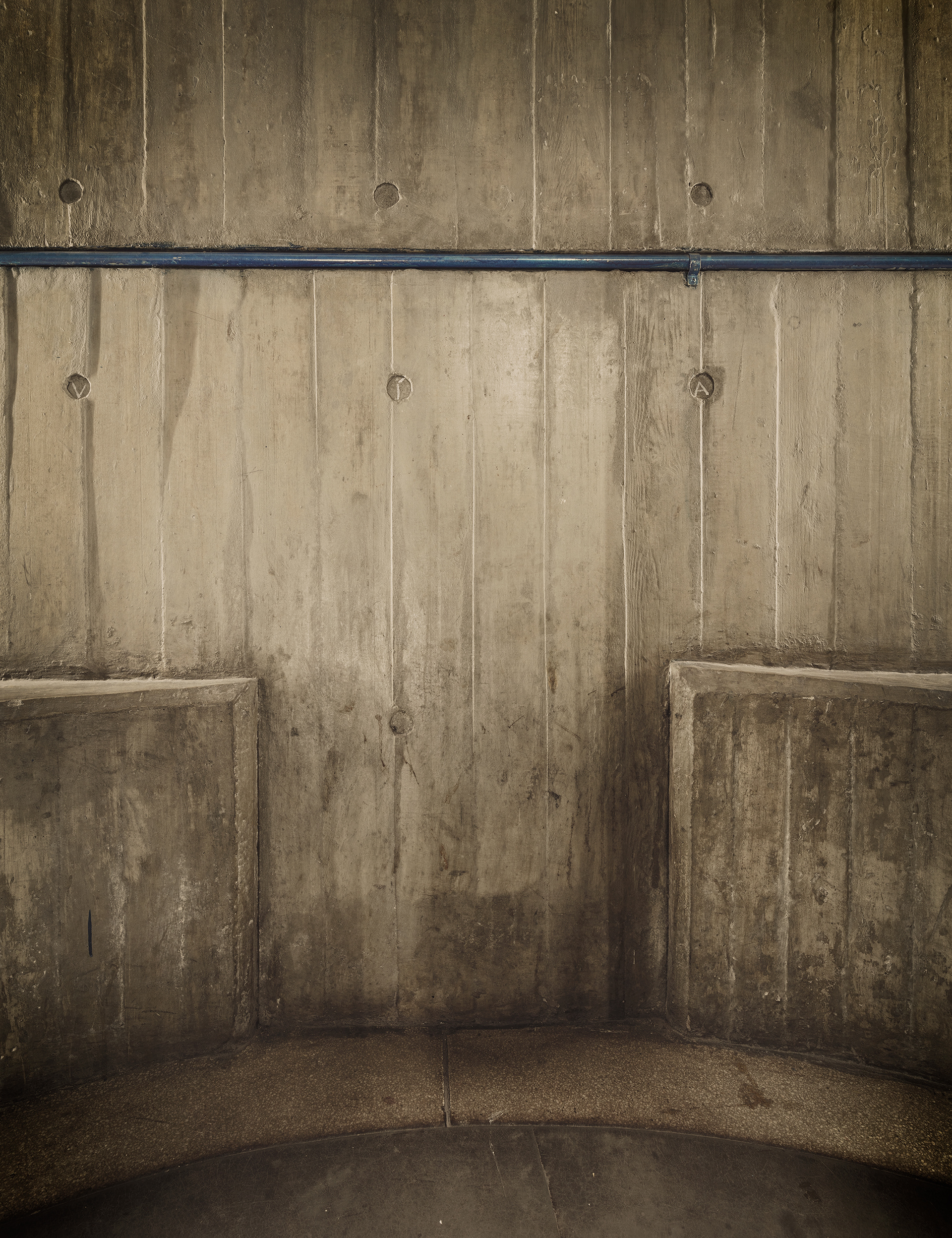
Biblioteca Nacional #5. Fine Art Photographic Print. 130x100cm. Beech frame with museum glass. Edition of 3 + AP.
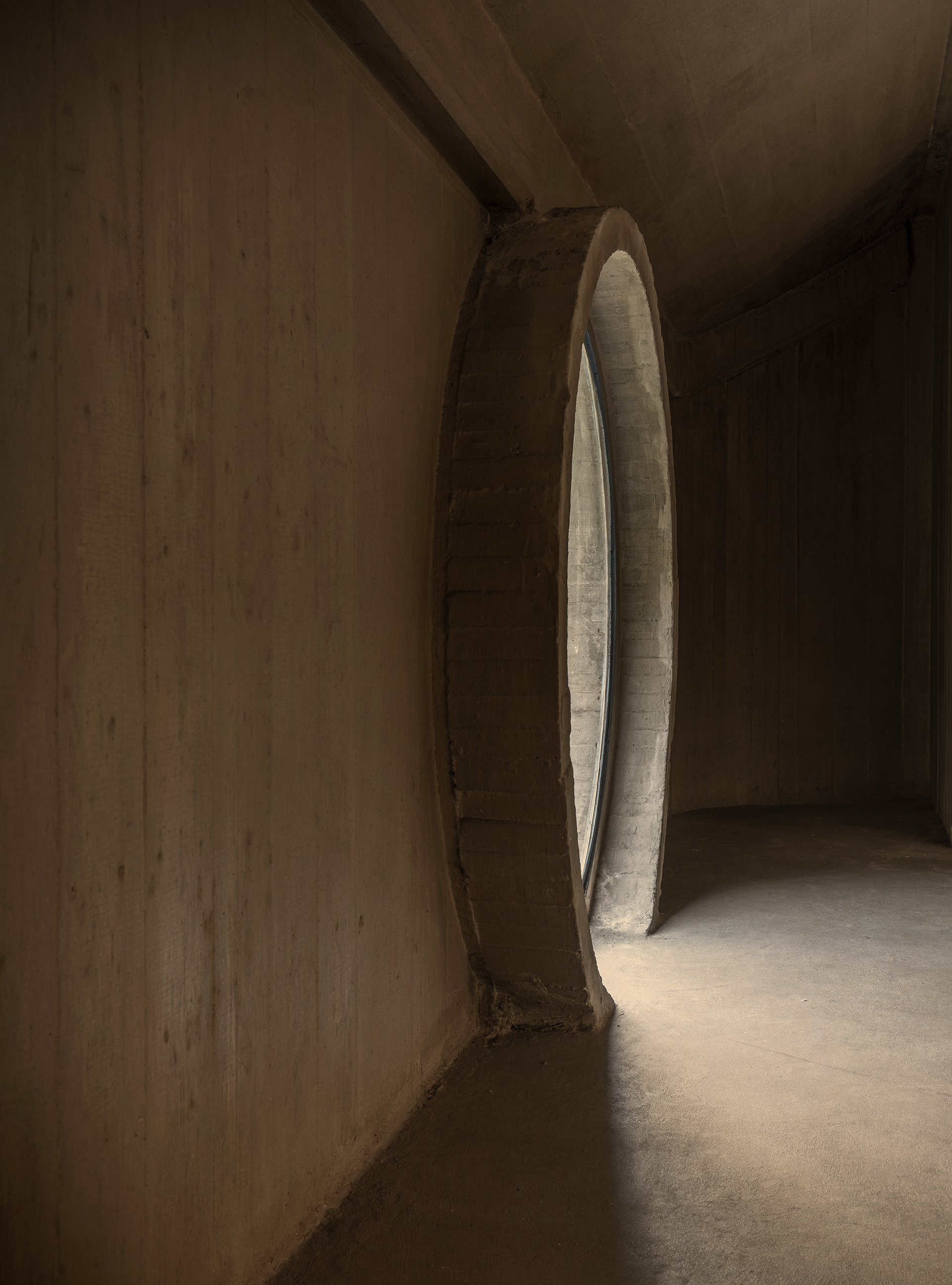
Biblioteca Nacional #1. Fine Art Photographic Print. 135x100cm. Beech frame with museum glass. Edition of 3 + AP.
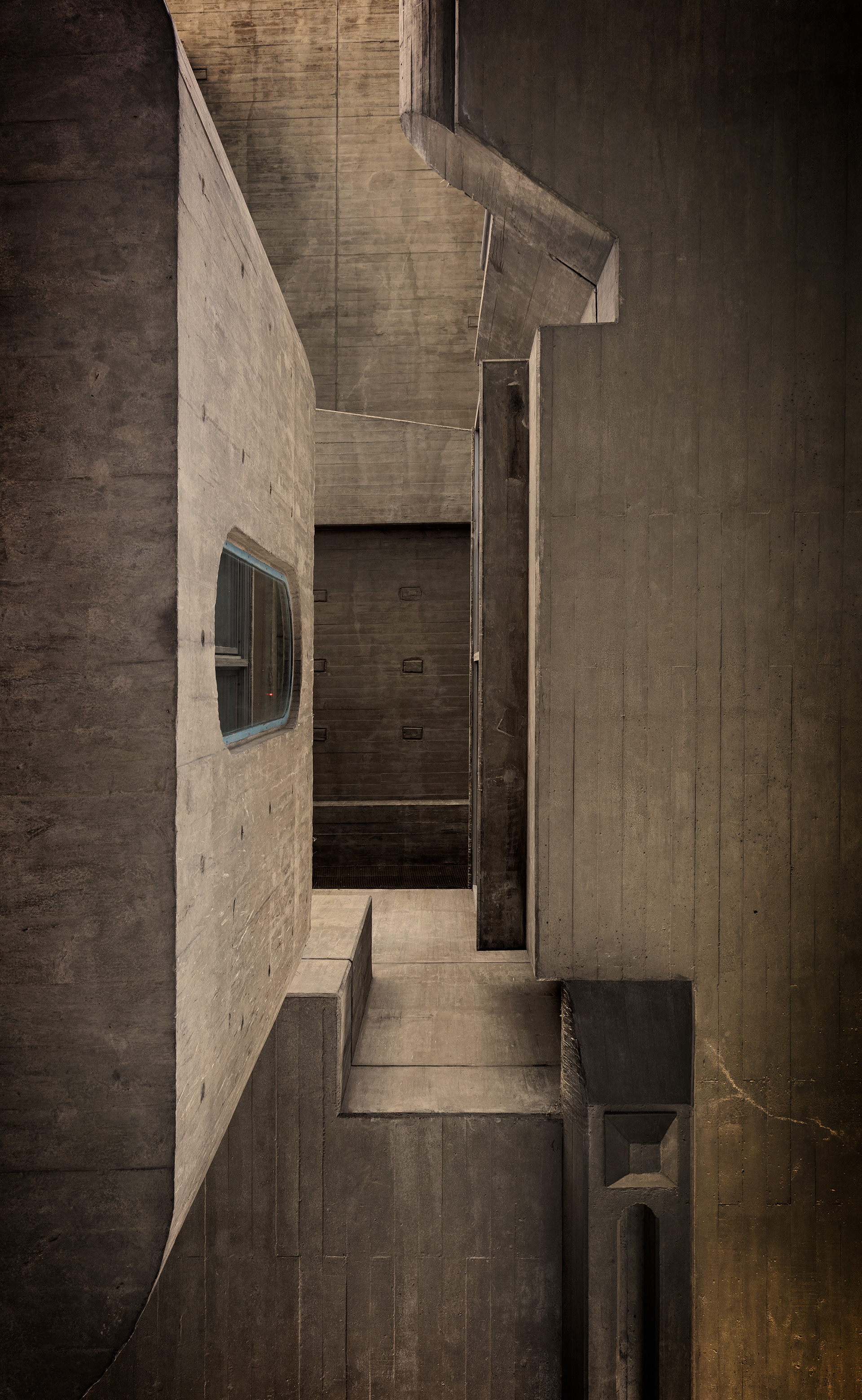
Biblioteca Nacional #3. Backlit photographic print in industrial metal container. 31x51cm. Unique piece.
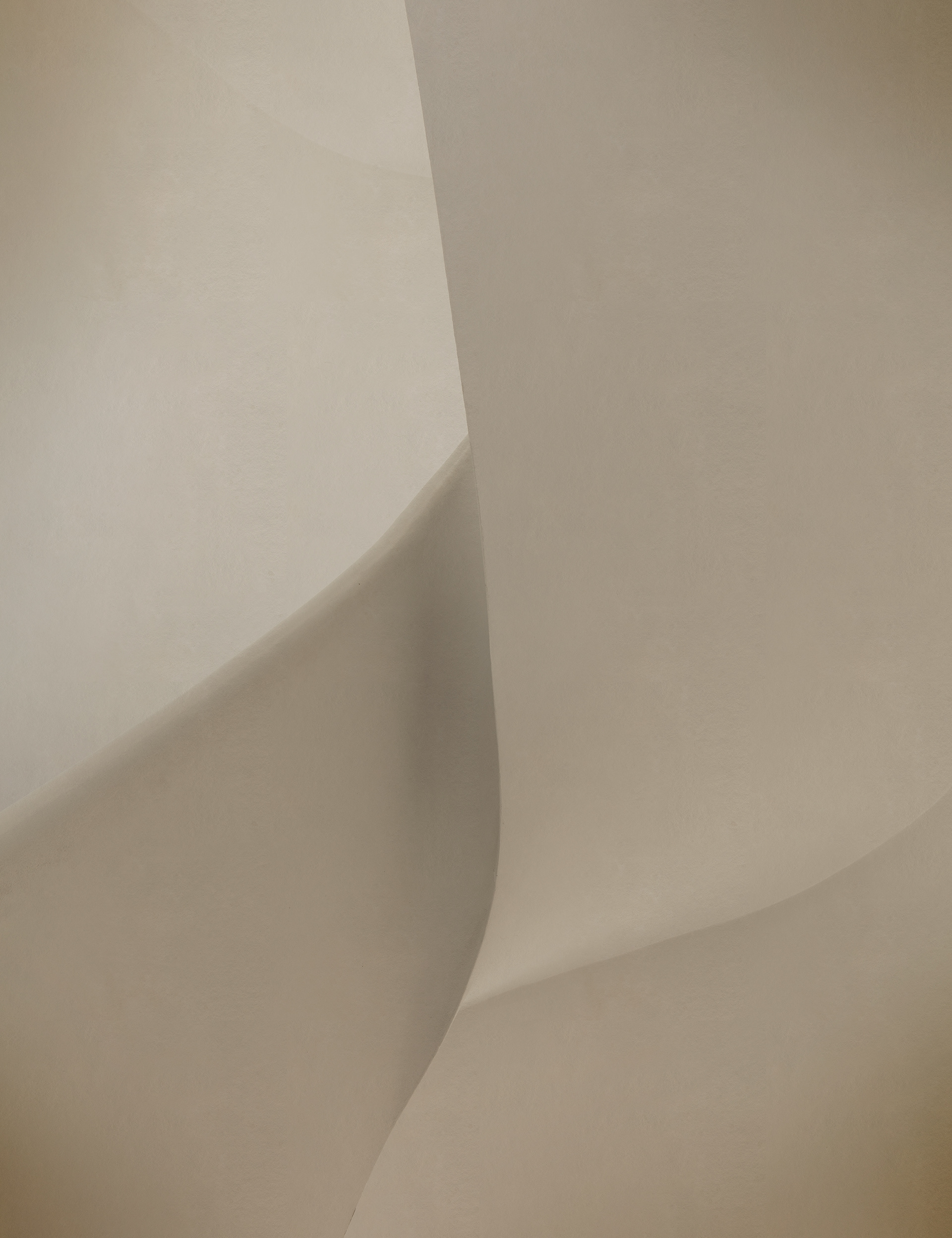
Biblioteca Nacional #2. Backlit photographic print in industrial metal container. 31x51cm. Unique piece.
Built in 1929 by architect Alejandro Bustillo at the request of Victoria Ocampo, the house was inspired by Le Corbusier’s Rationalism and his own drawings, making it one of the first modern buildings in Buenos Aires. Ocampo (1890–1979), a prominent intellectual, writer, editor and patron of the arts, was also a leading feminist and anti-fascist who founded the Argentine Women’s Union in 1936.
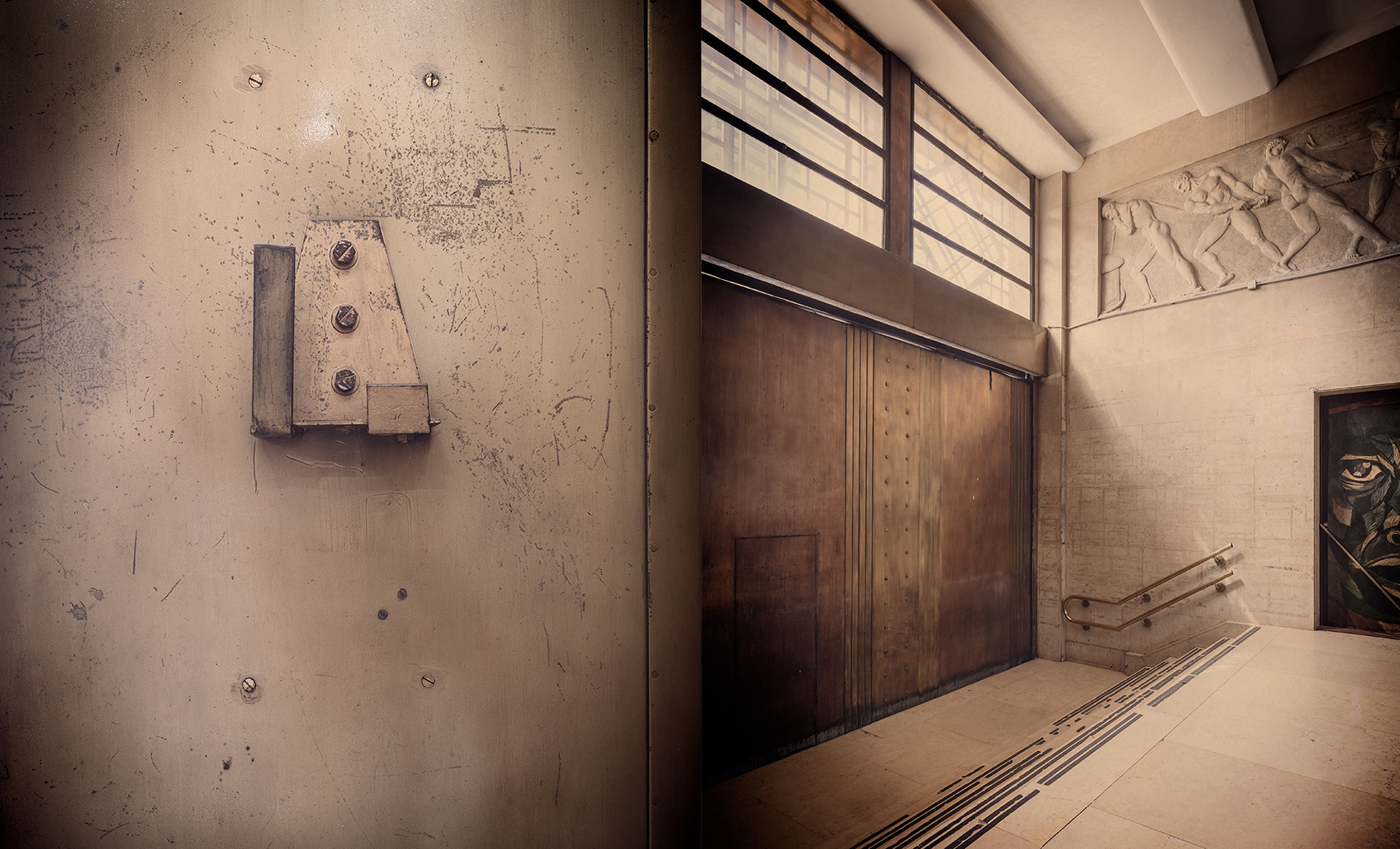
Ministério das Obras Públicas. Backlit photographic print in a x-ray viewer. 74x46x14cm. Unique piece. The building was designed by José de Hortal in 1936 as the headquarters of the then Ministry of Public Works (MOP) and was the first and only skyscraper built on Avenida 9 de Julio. In 1951, it was the site of one of the most significant events in Eva Perón’s history: her historic resignation, and in 2002 it was declared a National Historic Monument. Restored in 2010, the building retains its Rationalist style and, since 2011, has featured two steel images of Eva Perón’s face on its northern and southern façades, each measuring 31 by 24 metres, created by sculptor Alejandro Marmo in collaboration with visual artist Daniel Santoro.
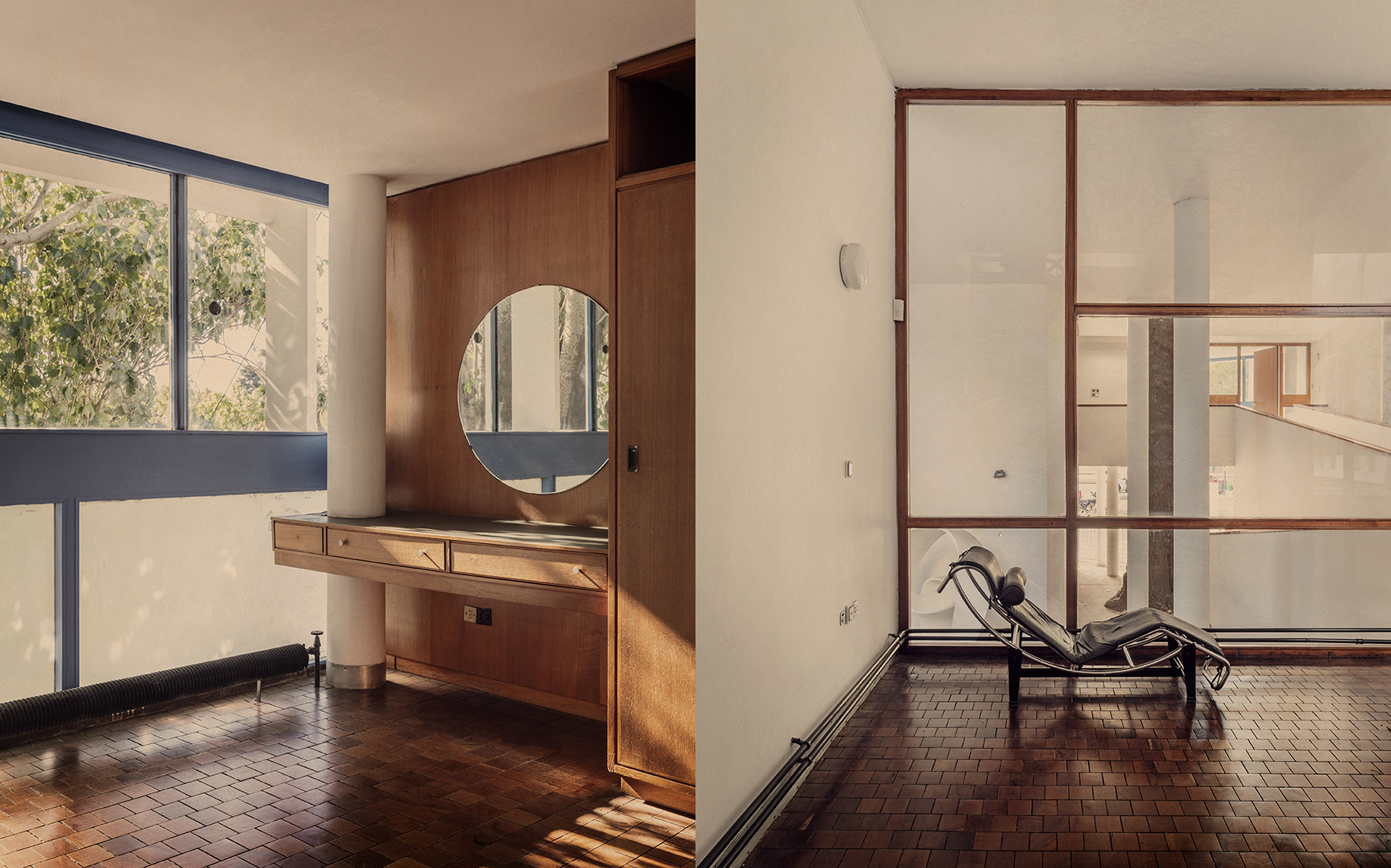
Casa Curutchet. Backlit photographic print in a x-ray viewer. 73x46x12cm. Unique piece. was designed by Le Corbusier and commissioned in 1948 by Dr Pedro Domingo Curutchet, a surgeon, with a small medical practice on the ground floor. The house consists of four main levels with a courtyard between the house and the clinic, and was built between 1949 and 1953 under the supervision of Amancio Williams; the photograph shows a chaise longue designed by Charlotte Perriand, whose authorship was for many years attributed solely to Le Corbusier.
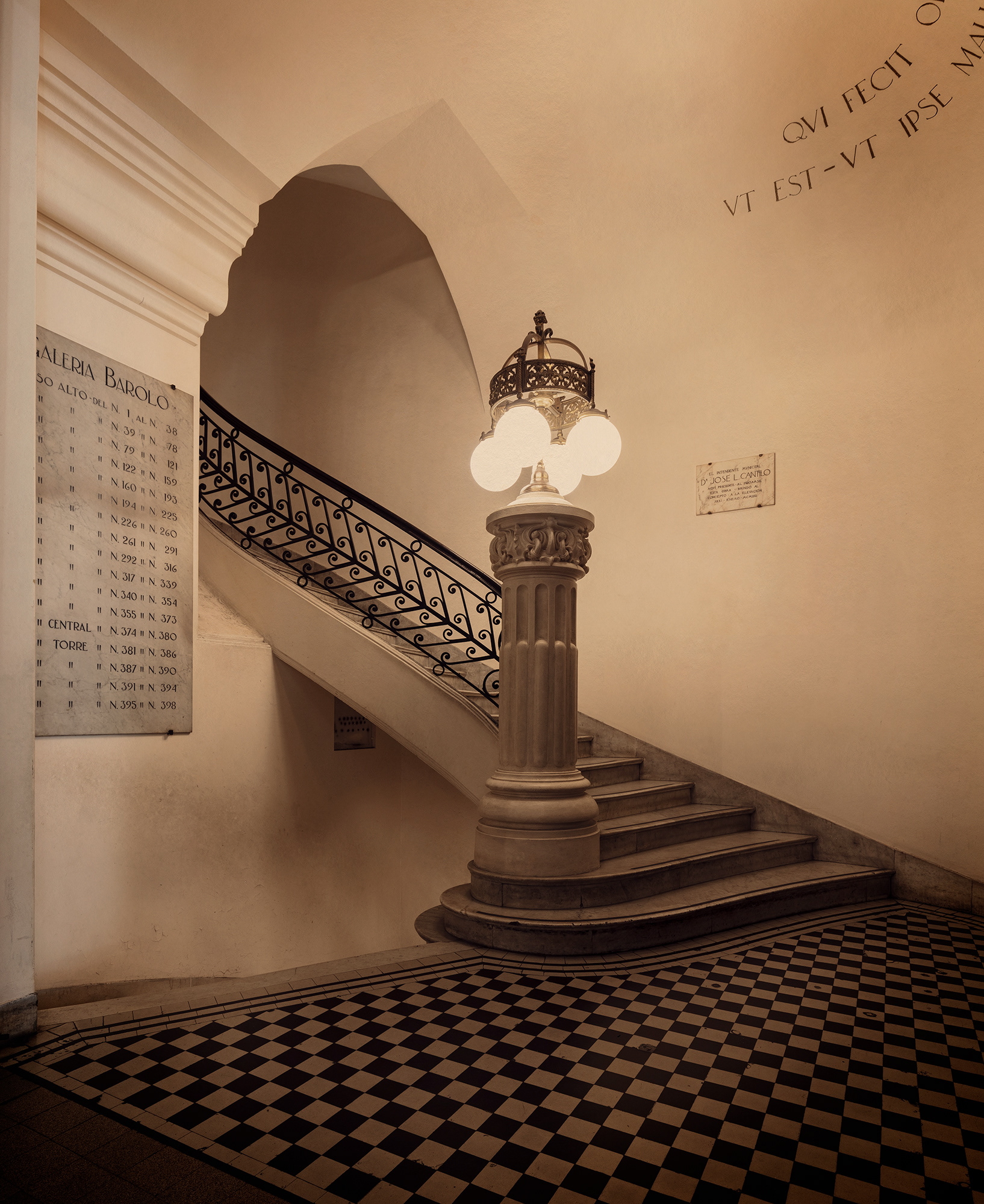
Palacio Barolo. Backlit photographic print in a x-ray viewer. 37x46x14cm. Unique piece. One of Buenos Aires’ most emblematic buildings, the Palacio Barolo began construction in 1919 and was, at the time, the tallest building in Latin America and the world’s tallest reinforced-concrete building. Designed as an office building by architect Mario Palanti, its structure is based on the three parts of Dante Alighieri’s Divine Comedy—Inferno, Purgatory and Heaven—with references to the work throughout; women are represented in the Inferno as propagators of evil, while the entrance to the building leads through the Inferno, where naked female demons known as temptresses once awaited in the tower.
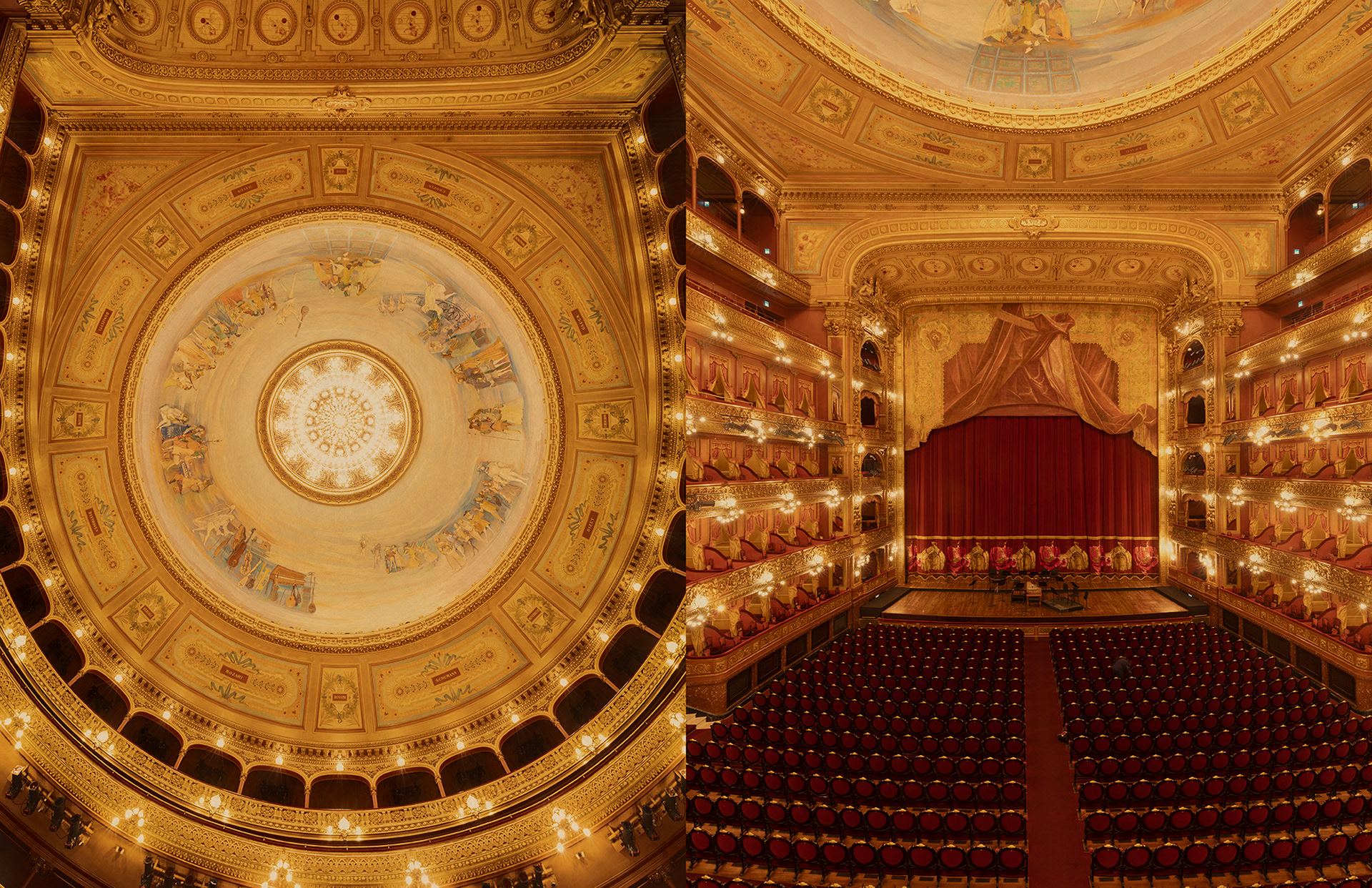
Teatro Colón. Backlit photographic print in a x-ray viewer. 72x47x12cm. Unique piece.
'There are women hidden behind the scenes of modern Argentine architecture'
Inês d’Orey exhibits at the Porto gallery Presença Umbral, a photographic report of an expedition to the architecture of Buenos Aires for women, with Ítala Fulvia Villa in the spotlight.
Written by Sérgio C. Andrade in Público newspaper (PT)
December 23, 2023
In a light box taken from an old medical x-ray viewer, we see two photographs of the interior of Casa Curutchet, the home of a Buenos Aires surgeon that was designed by Le Corbusier. But it is not about this Franco-Swiss “pope” of modern architecture and his presence and influence in the capital of Argentina that the Umbral exhibition will speak to us, the most recent photography project by Inês d'Orey (Porto, 1977), on view at Galeria Presença, in Porto, until January 13th. It is the chaise-longue B 306, invented in 1928, in Corbusier's studio, by the French architect and designer Charlotte Perriand (1903-1999), that d'Orey wants to show us, in a gesture of recovery and affirmation of the name of women who also marked the architecture (and urbanism and design) of the first half of the 20th century, and which official history normally placed in the shadow of male architects.
Trained between Braga, London and Florence, FNAC New Talent Photography Award in 2007 and artist with her work already included in a vast exhibition gallery between Portugal and Europe, Inês d'Orey decided, in the spring of this year, to go in search of textures of the modern, rationalist and brutalist architecture of the Argentine capital, a city she didn't know. “What took me to Buenos Aires was my passion for architecture from the first half of the 20th century”, explains the photographer to PÚBLICO, at the entrance to Umbral. She got there following research work and conducted by consulting, among others, the ANA website – Archivo Nuestras Arquitectas and a map published in London by the company Blue Crow on the architecture of Buenos Aires.
In the shadow of Clorindo Testa
It was there that she discovered the Sixth Pantheon of Chacarita, a large underground and labyrinthine cemetery, a pioneering exponent of modern funerary architecture, and a major work by Ítala Fulvia Villa (1913-1991), whose name had remained in the shadow of that of one of the his collaborators, Clorindo Testa (1923-2013).
“I fell in love with the images I saw of this cemetery, and I thought that, in itself, it would justify my trip”, confesses Inês d'Orey, who, however, would come across countless bureaucratic obstacles before being able to photograph the cemetery.
When she arrived in Buenos Aires, she discovered that Ítala Fulvia Villa's work had just been classified as a Monument of Public Interest by the municipal entity, following a national movement in this direction.
The Sixth Pantheon of Chacarita thus became the center of the Umbral project – a title that d'Orey took from the poetry of another important figure in Argentine culture at the time, Alejandra Pizarnik (1936-1972) –, which asserts itself as a “gateway” into the work of Ítala Fulvia Villa. “It impressed me that a work of that size, with 96 hectares, and so well designed in its integration with the outdoor space, as the ground floor is an extensive garden, was so forgotten and also so little cared for”, says the photographer, further regretting that “Ítala’s name had been completely erased from history”, hidden by that of Clorindo Testa, who became the ex-libris of brutalism in Argentina.
“This had a huge impact on me, and I thought it would be important to change the narrative and focus this exhibition on women and the first Argentine architects”, adds Inês d'Orey, assuming that it is a “feminist” approach to the history of modern architecture of that country.
The pantheon of Ítala Fulvia Villa thus appears as the protagonist of the exhibition, with close to a dozen large photographs, showing spaces, corners, angles and especially the brutalist texture of this work drawn in 1958. The exhibition is also punctuated by three sculptural creations, created in partnership with Diogo Amaro, using construction modules designed by the Argentine architect.
Nine women architects
Around Ítala, works by other women architects are documented. Here, the highlight is the installation, on one of the gallery walls, of a panel with nine modernist residential buildings built between 1939 and 1970 designed by some of the “first Argentine women architects” – Violeta Lorraine Pouchkine, Angelina Camicia, Alicia Cazzaniga, Carmen Córdova, Mabel Lapacó, Lydia Esther Prat, Débora Di Veroli, Beatriz Escudero and Maria Teresa Egozcue – even if some of them in partnership with fellow architects, such as the Mariano Moreno National Library, designed in 1961 but only completed in the 90s, when the Alicia Cazzaniga's name was also given second place to those of Testa and Francisco Bullrich.
In this demand and attention to the feminine imaginary in architecture, Umbral also presents cases (and houses) that document other unique women, as well as the place of the feminine in society. One of them is Casa Victoria Ocampo, a 1929 project by Alejandro Bustillo, inspired by designs by Le Corbusier, which is one of the first modern (and controversial) buildings in Buenos Aires. A project that corresponded to the avant-garde of the writer and intellectual Victoria Ocampo (1890-1979), creator of the feminist magazine Sur and founder, in 1936, of the Argentine Union of Women.
Other photographs, and other architecture, document the place of women in Argentine society. This is the case of the iconic Teatro Colón – project by Francesco Tamburine and Vittorio Meano with the Belgian Julio Dormal, inaugurated in 1908, and a “replica” of La Scala in Milan –, with the grated boxes next to the audience, where they “hid” the widows who wanted to attend concerts and operas, protected from the disapproving looks of spectators. And also the Barolo Palace (Mario Palanti, 1919), which, at the time of its construction, became the tallest building in Latin America, and in the world made of reinforced concrete. In a decoration punctuated by the owner's fascination with Dante's Divine Comedy, the figure of a woman appears represented in Hell, as a propagator of evil in the world.
There is also the Evita Building (José de Hortal, 1936), a skyscraper built as the headquarters of the Ministry of Public Works and which later became famous for, in 1951, being the stage for Eva Perón's “Renunciamiento” speech to popular appeal to assume the vice-presidency alongside her husband Juan Perón – the face of “Evita” having later been immortalized on the building’s facade in a mural by sculptor Alejandro Marno.
Umbral, by Inês d’Orey, being a photography exhibition with a message, is also a guide for a different journey into the history of modern architecture in Buenos Aires.
Inês d’Orey exhibits at the Porto gallery Presença Umbral, a photographic report of an expedition to the architecture of Buenos Aires for women, with Ítala Fulvia Villa in the spotlight.
Written by Sérgio C. Andrade in Público newspaper (PT)
December 23, 2023
In a light box taken from an old medical x-ray viewer, we see two photographs of the interior of Casa Curutchet, the home of a Buenos Aires surgeon that was designed by Le Corbusier. But it is not about this Franco-Swiss “pope” of modern architecture and his presence and influence in the capital of Argentina that the Umbral exhibition will speak to us, the most recent photography project by Inês d'Orey (Porto, 1977), on view at Galeria Presença, in Porto, until January 13th. It is the chaise-longue B 306, invented in 1928, in Corbusier's studio, by the French architect and designer Charlotte Perriand (1903-1999), that d'Orey wants to show us, in a gesture of recovery and affirmation of the name of women who also marked the architecture (and urbanism and design) of the first half of the 20th century, and which official history normally placed in the shadow of male architects.
Trained between Braga, London and Florence, FNAC New Talent Photography Award in 2007 and artist with her work already included in a vast exhibition gallery between Portugal and Europe, Inês d'Orey decided, in the spring of this year, to go in search of textures of the modern, rationalist and brutalist architecture of the Argentine capital, a city she didn't know. “What took me to Buenos Aires was my passion for architecture from the first half of the 20th century”, explains the photographer to PÚBLICO, at the entrance to Umbral. She got there following research work and conducted by consulting, among others, the ANA website – Archivo Nuestras Arquitectas and a map published in London by the company Blue Crow on the architecture of Buenos Aires.
In the shadow of Clorindo Testa
It was there that she discovered the Sixth Pantheon of Chacarita, a large underground and labyrinthine cemetery, a pioneering exponent of modern funerary architecture, and a major work by Ítala Fulvia Villa (1913-1991), whose name had remained in the shadow of that of one of the his collaborators, Clorindo Testa (1923-2013).
“I fell in love with the images I saw of this cemetery, and I thought that, in itself, it would justify my trip”, confesses Inês d'Orey, who, however, would come across countless bureaucratic obstacles before being able to photograph the cemetery.
When she arrived in Buenos Aires, she discovered that Ítala Fulvia Villa's work had just been classified as a Monument of Public Interest by the municipal entity, following a national movement in this direction.
The Sixth Pantheon of Chacarita thus became the center of the Umbral project – a title that d'Orey took from the poetry of another important figure in Argentine culture at the time, Alejandra Pizarnik (1936-1972) –, which asserts itself as a “gateway” into the work of Ítala Fulvia Villa. “It impressed me that a work of that size, with 96 hectares, and so well designed in its integration with the outdoor space, as the ground floor is an extensive garden, was so forgotten and also so little cared for”, says the photographer, further regretting that “Ítala’s name had been completely erased from history”, hidden by that of Clorindo Testa, who became the ex-libris of brutalism in Argentina.
“This had a huge impact on me, and I thought it would be important to change the narrative and focus this exhibition on women and the first Argentine architects”, adds Inês d'Orey, assuming that it is a “feminist” approach to the history of modern architecture of that country.
The pantheon of Ítala Fulvia Villa thus appears as the protagonist of the exhibition, with close to a dozen large photographs, showing spaces, corners, angles and especially the brutalist texture of this work drawn in 1958. The exhibition is also punctuated by three sculptural creations, created in partnership with Diogo Amaro, using construction modules designed by the Argentine architect.
Nine women architects
Around Ítala, works by other women architects are documented. Here, the highlight is the installation, on one of the gallery walls, of a panel with nine modernist residential buildings built between 1939 and 1970 designed by some of the “first Argentine women architects” – Violeta Lorraine Pouchkine, Angelina Camicia, Alicia Cazzaniga, Carmen Córdova, Mabel Lapacó, Lydia Esther Prat, Débora Di Veroli, Beatriz Escudero and Maria Teresa Egozcue – even if some of them in partnership with fellow architects, such as the Mariano Moreno National Library, designed in 1961 but only completed in the 90s, when the Alicia Cazzaniga's name was also given second place to those of Testa and Francisco Bullrich.
In this demand and attention to the feminine imaginary in architecture, Umbral also presents cases (and houses) that document other unique women, as well as the place of the feminine in society. One of them is Casa Victoria Ocampo, a 1929 project by Alejandro Bustillo, inspired by designs by Le Corbusier, which is one of the first modern (and controversial) buildings in Buenos Aires. A project that corresponded to the avant-garde of the writer and intellectual Victoria Ocampo (1890-1979), creator of the feminist magazine Sur and founder, in 1936, of the Argentine Union of Women.
Other photographs, and other architecture, document the place of women in Argentine society. This is the case of the iconic Teatro Colón – project by Francesco Tamburine and Vittorio Meano with the Belgian Julio Dormal, inaugurated in 1908, and a “replica” of La Scala in Milan –, with the grated boxes next to the audience, where they “hid” the widows who wanted to attend concerts and operas, protected from the disapproving looks of spectators. And also the Barolo Palace (Mario Palanti, 1919), which, at the time of its construction, became the tallest building in Latin America, and in the world made of reinforced concrete. In a decoration punctuated by the owner's fascination with Dante's Divine Comedy, the figure of a woman appears represented in Hell, as a propagator of evil in the world.
There is also the Evita Building (José de Hortal, 1936), a skyscraper built as the headquarters of the Ministry of Public Works and which later became famous for, in 1951, being the stage for Eva Perón's “Renunciamiento” speech to popular appeal to assume the vice-presidency alongside her husband Juan Perón – the face of “Evita” having later been immortalized on the building’s facade in a mural by sculptor Alejandro Marno.
Umbral, by Inês d’Orey, being a photography exhibition with a message, is also a guide for a different journey into the history of modern architecture in Buenos Aires.
'Há mulheres escondidas nos bastidores da arquitectura moderna argentina'
Inês d’Orey expõe na galeria portuense Presença Umbral, relato fotográfico de uma expedição à arquitectura de Buenos Aires no feminino, com Ítala Fulvia Villa em destaque.
Escrito por Sérgio C. Andrade para o jornal Público
23 de Dezembro de 2023
Numa caixa de luz repescada de um antigo negatoscópio médico, vemos duas fotografias do interior da Casa Curutchet, moradia de um cirurgião de Buenos Aires que foi desenhada por Le Corbusier. Mas não é deste “papa” franco-suíço da arquitectura moderna e da sua presença e influência na capital da Argentina que nos vai falar a exposição Umbral, o mais recente projecto de fotografia de Inês d’Orey (Porto, 1977), patente na Galeria Presença, no Porto, até 13 de Janeiro. É a chaise-longue B 306, inventada em 1928, no atelier de Corbusier, pela arquitecta e designer francesa Charlotte Perriand (1903-1999), que d’Orey nos quer mostrar, num gesto de recuperação e afirmação do nome de mulheres que também marcaram a arquitectura (e o urbanismo e o design) da primeira metade do século XX, e que a história oficial normalmente colocou na sombra dos arquitectos homens.
Formada entre Braga, Londres e Florença, prémio Novo Talento Fotografia FNAC em 2007 e artista já com o seu trabalho inscrito numa vasta galeria de exposições entre Portugal e a Europa, Inês d’Orey decidiu, na Primavera deste ano, ir em busca das texturas da arquitectura moderna, racionalista e brutalista, da capital argentina, cidade que não conhecia. “O que me levou a Buenos Aires foi a minha paixão pela arquitectura da primeira metade do século XX”, explica a fotógrafa ao PÚBLICO, à entrada de Umbral. Chegou lá na sequência de um trabalho de investigação e conduzida pela consulta, entre outros, do site ANA – Archivo Nuestras Arquitectas e de um mapa editado em Londres pela empresa Blue Crow sobre a arquitectura de Buenos Aires.
Na sombra de Clorindo Testa
Foi aí que descobriu o Sexto Panteão de Chacarita, um cemitério subterrâneo e labiríntico de grandes dimensões, expoente pioneiro da arquitectura moderna funerária, e uma obra maior de Ítala Fulvia Villa (1913-1991), cujo nome tinha ficado na sombra do de um dos seus colaboradores, Clorindo Testa (1923-2013).
“Apaixonei-me pelas imagens que vi desse cemitério, e achei que, por si só, ele justificaria a minha viagem”, confessa Inês d’Orey, que, no entanto, viria a deparar-se com inúmeros entraves burocráticos até conseguir fotografar o panteão.
Quando chegou a Buenos Aires, descobriu que a obra de Ítala Fulvia Villa tinha acabado de ser classificada Monumento de Interesse Público pela entidade municipal, na sequência de um movimento nacional nesse sentido.
O Sexto Panteão de Chacarita tornou-se, assim, o centro do projecto Umbral – título que d’Orey foi buscar à poesia de outra figura de relevo da cultura argentina da época, Alejandra Pizamik (1936-1972) –, que se afirma como uma “porta de entrada” na obra de Ítala Fulvia Villa. “Impressionou-me que uma obra daquela dimensão, com 96 hectares, e tão bem desenhada na sua integração com o espaço exterior, já que no piso térreo é um extenso jardim, estivesse tão esquecida e também tão pouco cuidada”, diz a fotógrafa, lamentando ainda que “o nome da Ítala tivesse sido completamente apagado da história”, ocultado pelo de Clorindo Testa, que se tornou o ex-libris do brutalismo na Argentina.
“Isto teve bastante impacto em mim, e achei que seria importante mudar a narrativa e centrar esta exposição na mulher e nas primeiras arquitectas argentinas”, acrescenta Inês d’Orey, assumindo tratar-se de uma aproximação “feminista” à história da arquitectura moderna daquele país.
O panteão de Ítala Fulvia Villa surge, assim, com o protagonista da exposição, com perto de uma dezena de fotografias de grandes dimensões, mostrando espaços, recantos, ângulos e principalmente a textura brutalista desta obra desenhada em 1958. A mostra é ainda pontuada por três criações escultóricas, realizadas em parceria com Diogo Amaro, a partir de módulos construtivos desenhados pela arquitecta argentina.
Nove mulheres arquitectas
Em volta de Ítala, estão documentadas obras de outras mulheres arquitectas. Aqui, o destaque vai para a instalação, numa das paredes da galeria, de um painel com nove edifícios de habitação modernista construídos entre 1939 e 1970 projectados pelas “primeiras arquitectas argentinas” – Violeta Lorraine Pouchkine, Angelina Camicia, Alicia Cazzaniga, Carmen Córdova, Mabel Lapacó, Lydia Esther Prat, Débora Di Veroli, Beatriz Escudero e Maria Teresa Egozcue –, mesmo que alguns deles em parceria com colegas arquitectos, como o da Biblioteca Nacional Mariano Moreno, desenhado em 1961 mas só concluído nos anos 90, em que o nome de Alicia Cazzaniga foi também secundarizado perante os de Testa e Francisco Bullrich.
Nesta demanda e atenção ao imaginário feminino na arquitectura, Umbral dá ainda a ver casos (e casas) que documentam outras mulheres singulares, bem como o lugar do feminino na sociedade da época. Uma delas é a Casa Victoria Ocampo, um projecto de 1929 de Alejandro Bustillo, inspirado em desenhos de Le Corbusier, que é um dos primeiros edifícios modernos (e polémicos) em Buenos Aires. Um projecto que correspondia ao vanguardismo da escritora e intelectual Victoria Ocampo (1890-1979), criadora da revista Sur, feminista e fundadora, em 1936, da União Argentina de Mulheres.
Outras fotografias, e outras arquitecturas, documentam o lugar da mulher na sociedade argentina. É o caso do icónico Teatro Colón – projecto de Francesco Tamburine e Vittorio Meano com o belga Julio Dormal, inaugurado em 1908, é uma “réplica” do La Scala de Milão –, com os camarotes gradeados ao lado da plateia, onde se “escondiam” as viúvas que queriam assistir aos concertos e óperas, protegidas dos olhares reprovadores dos espectadores. E também do Palácio Barolo (Mario Palanti, 1919), que, à época da sua construção, se tornou no edifício mais alto da América Latina, e do mundo feito em betão armado. Numa decoração pontuada pelo fascínio do proprietário pela Divina Comédia de Dante, a figura da mulher surge representada no Inferno, como propagadora do mal no mundo.
Há ainda o Edifício Evita (José de Hortal, 1936), arranha-céus construído para sede do Ministério das Obras Públicas e que se tornou depois famoso por, em 1951, ter sido palco do discurso da “Renúncia” de Eva Perón ao apelo popular para assumir a vice-presidência ao lado do seu marido Juan Perón – o rosto de “Evita” tendo depois sido eternizado na varanda do edifício num mural do escultor Alejandro Marno.
Umbral, de Inês d’Orey, sendo uma exposição de fotografia com mensagem, é também um guia para uma viagem diferente à história da arquitectura moderna em Buenos Aires.
Inês d’Orey expõe na galeria portuense Presença Umbral, relato fotográfico de uma expedição à arquitectura de Buenos Aires no feminino, com Ítala Fulvia Villa em destaque.
Escrito por Sérgio C. Andrade para o jornal Público
23 de Dezembro de 2023
Numa caixa de luz repescada de um antigo negatoscópio médico, vemos duas fotografias do interior da Casa Curutchet, moradia de um cirurgião de Buenos Aires que foi desenhada por Le Corbusier. Mas não é deste “papa” franco-suíço da arquitectura moderna e da sua presença e influência na capital da Argentina que nos vai falar a exposição Umbral, o mais recente projecto de fotografia de Inês d’Orey (Porto, 1977), patente na Galeria Presença, no Porto, até 13 de Janeiro. É a chaise-longue B 306, inventada em 1928, no atelier de Corbusier, pela arquitecta e designer francesa Charlotte Perriand (1903-1999), que d’Orey nos quer mostrar, num gesto de recuperação e afirmação do nome de mulheres que também marcaram a arquitectura (e o urbanismo e o design) da primeira metade do século XX, e que a história oficial normalmente colocou na sombra dos arquitectos homens.
Formada entre Braga, Londres e Florença, prémio Novo Talento Fotografia FNAC em 2007 e artista já com o seu trabalho inscrito numa vasta galeria de exposições entre Portugal e a Europa, Inês d’Orey decidiu, na Primavera deste ano, ir em busca das texturas da arquitectura moderna, racionalista e brutalista, da capital argentina, cidade que não conhecia. “O que me levou a Buenos Aires foi a minha paixão pela arquitectura da primeira metade do século XX”, explica a fotógrafa ao PÚBLICO, à entrada de Umbral. Chegou lá na sequência de um trabalho de investigação e conduzida pela consulta, entre outros, do site ANA – Archivo Nuestras Arquitectas e de um mapa editado em Londres pela empresa Blue Crow sobre a arquitectura de Buenos Aires.
Na sombra de Clorindo Testa
Foi aí que descobriu o Sexto Panteão de Chacarita, um cemitério subterrâneo e labiríntico de grandes dimensões, expoente pioneiro da arquitectura moderna funerária, e uma obra maior de Ítala Fulvia Villa (1913-1991), cujo nome tinha ficado na sombra do de um dos seus colaboradores, Clorindo Testa (1923-2013).
“Apaixonei-me pelas imagens que vi desse cemitério, e achei que, por si só, ele justificaria a minha viagem”, confessa Inês d’Orey, que, no entanto, viria a deparar-se com inúmeros entraves burocráticos até conseguir fotografar o panteão.
Quando chegou a Buenos Aires, descobriu que a obra de Ítala Fulvia Villa tinha acabado de ser classificada Monumento de Interesse Público pela entidade municipal, na sequência de um movimento nacional nesse sentido.
O Sexto Panteão de Chacarita tornou-se, assim, o centro do projecto Umbral – título que d’Orey foi buscar à poesia de outra figura de relevo da cultura argentina da época, Alejandra Pizamik (1936-1972) –, que se afirma como uma “porta de entrada” na obra de Ítala Fulvia Villa. “Impressionou-me que uma obra daquela dimensão, com 96 hectares, e tão bem desenhada na sua integração com o espaço exterior, já que no piso térreo é um extenso jardim, estivesse tão esquecida e também tão pouco cuidada”, diz a fotógrafa, lamentando ainda que “o nome da Ítala tivesse sido completamente apagado da história”, ocultado pelo de Clorindo Testa, que se tornou o ex-libris do brutalismo na Argentina.
“Isto teve bastante impacto em mim, e achei que seria importante mudar a narrativa e centrar esta exposição na mulher e nas primeiras arquitectas argentinas”, acrescenta Inês d’Orey, assumindo tratar-se de uma aproximação “feminista” à história da arquitectura moderna daquele país.
O panteão de Ítala Fulvia Villa surge, assim, com o protagonista da exposição, com perto de uma dezena de fotografias de grandes dimensões, mostrando espaços, recantos, ângulos e principalmente a textura brutalista desta obra desenhada em 1958. A mostra é ainda pontuada por três criações escultóricas, realizadas em parceria com Diogo Amaro, a partir de módulos construtivos desenhados pela arquitecta argentina.
Nove mulheres arquitectas
Em volta de Ítala, estão documentadas obras de outras mulheres arquitectas. Aqui, o destaque vai para a instalação, numa das paredes da galeria, de um painel com nove edifícios de habitação modernista construídos entre 1939 e 1970 projectados pelas “primeiras arquitectas argentinas” – Violeta Lorraine Pouchkine, Angelina Camicia, Alicia Cazzaniga, Carmen Córdova, Mabel Lapacó, Lydia Esther Prat, Débora Di Veroli, Beatriz Escudero e Maria Teresa Egozcue –, mesmo que alguns deles em parceria com colegas arquitectos, como o da Biblioteca Nacional Mariano Moreno, desenhado em 1961 mas só concluído nos anos 90, em que o nome de Alicia Cazzaniga foi também secundarizado perante os de Testa e Francisco Bullrich.
Nesta demanda e atenção ao imaginário feminino na arquitectura, Umbral dá ainda a ver casos (e casas) que documentam outras mulheres singulares, bem como o lugar do feminino na sociedade da época. Uma delas é a Casa Victoria Ocampo, um projecto de 1929 de Alejandro Bustillo, inspirado em desenhos de Le Corbusier, que é um dos primeiros edifícios modernos (e polémicos) em Buenos Aires. Um projecto que correspondia ao vanguardismo da escritora e intelectual Victoria Ocampo (1890-1979), criadora da revista Sur, feminista e fundadora, em 1936, da União Argentina de Mulheres.
Outras fotografias, e outras arquitecturas, documentam o lugar da mulher na sociedade argentina. É o caso do icónico Teatro Colón – projecto de Francesco Tamburine e Vittorio Meano com o belga Julio Dormal, inaugurado em 1908, é uma “réplica” do La Scala de Milão –, com os camarotes gradeados ao lado da plateia, onde se “escondiam” as viúvas que queriam assistir aos concertos e óperas, protegidas dos olhares reprovadores dos espectadores. E também do Palácio Barolo (Mario Palanti, 1919), que, à época da sua construção, se tornou no edifício mais alto da América Latina, e do mundo feito em betão armado. Numa decoração pontuada pelo fascínio do proprietário pela Divina Comédia de Dante, a figura da mulher surge representada no Inferno, como propagadora do mal no mundo.
Há ainda o Edifício Evita (José de Hortal, 1936), arranha-céus construído para sede do Ministério das Obras Públicas e que se tornou depois famoso por, em 1951, ter sido palco do discurso da “Renúncia” de Eva Perón ao apelo popular para assumir a vice-presidência ao lado do seu marido Juan Perón – o rosto de “Evita” tendo depois sido eternizado na varanda do edifício num mural do escultor Alejandro Marno.
Umbral, de Inês d’Orey, sendo uma exposição de fotografia com mensagem, é também um guia para uma viagem diferente à história da arquitectura moderna em Buenos Aires.