
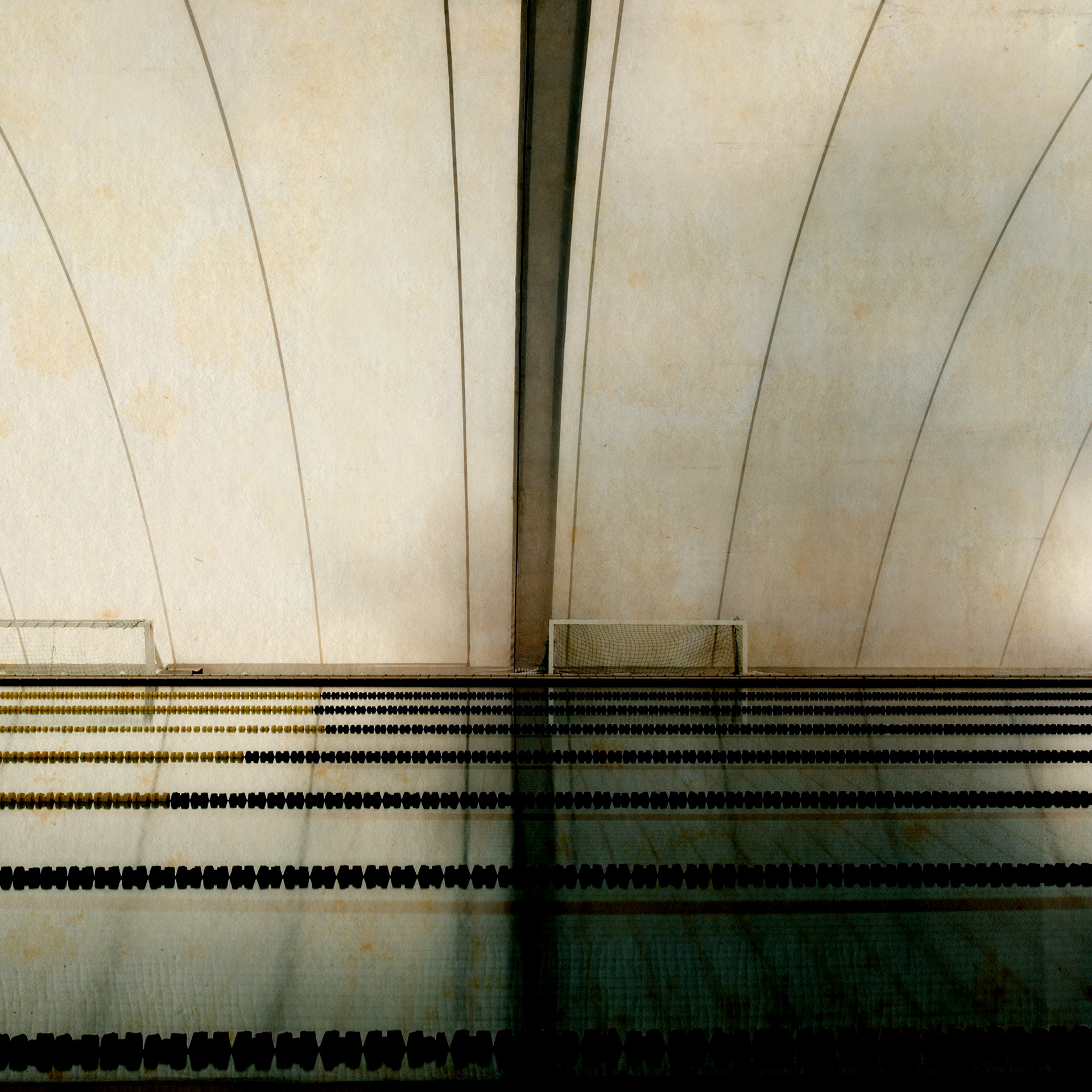
piscina de campanhã. Fine Art Photograohic Inject Print. 80x80cm. Wooden frame with museum glass. Edition of 3.
Porto Interior explores the public and semi-public interiors of Porto, the city where Inês d’Orey was born and lives. The photographs depict theatres, swimming pools, staircases, shops and other everyday spaces stripped of human presence, transforming familiar places into strangely suspended and almost unreal environments.
Moving between the familiar and the uncanny, the series reflects on absence, memory and the way we perceive the spaces that shape our everyday lives. Through carefully constructed images, the city becomes less a portrait of Porto than an interior landscape — quiet, melancholic and slightly disquieting.
Porto Interior was awarded the Fnac New Talent Prize for Photography in 2007 and was published as a book in 2011.
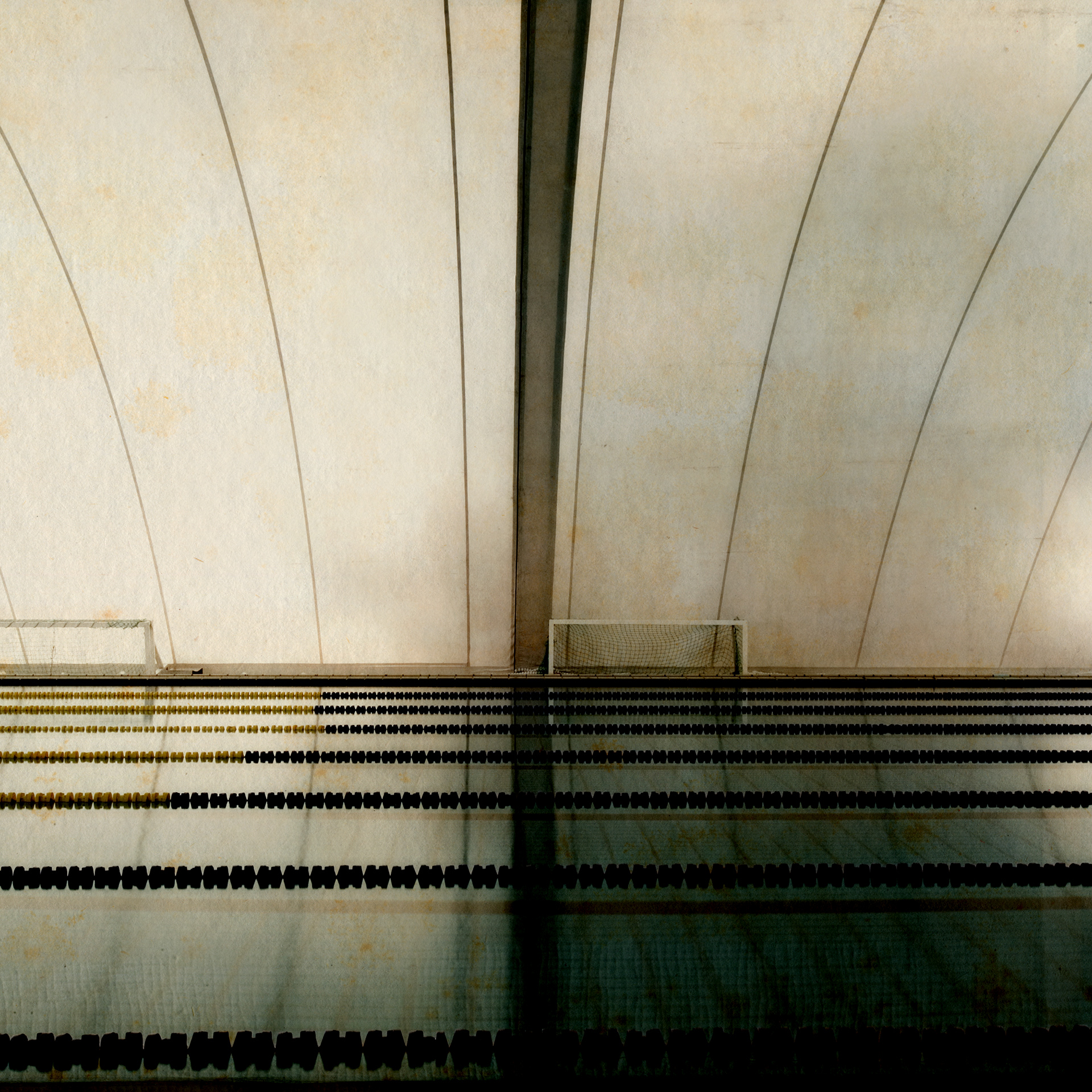
piscina de campanhã. 2006. Fine Art Photograohic Inject Print. 80x80cm. Wooden frame with museum glass. Edition of 3.
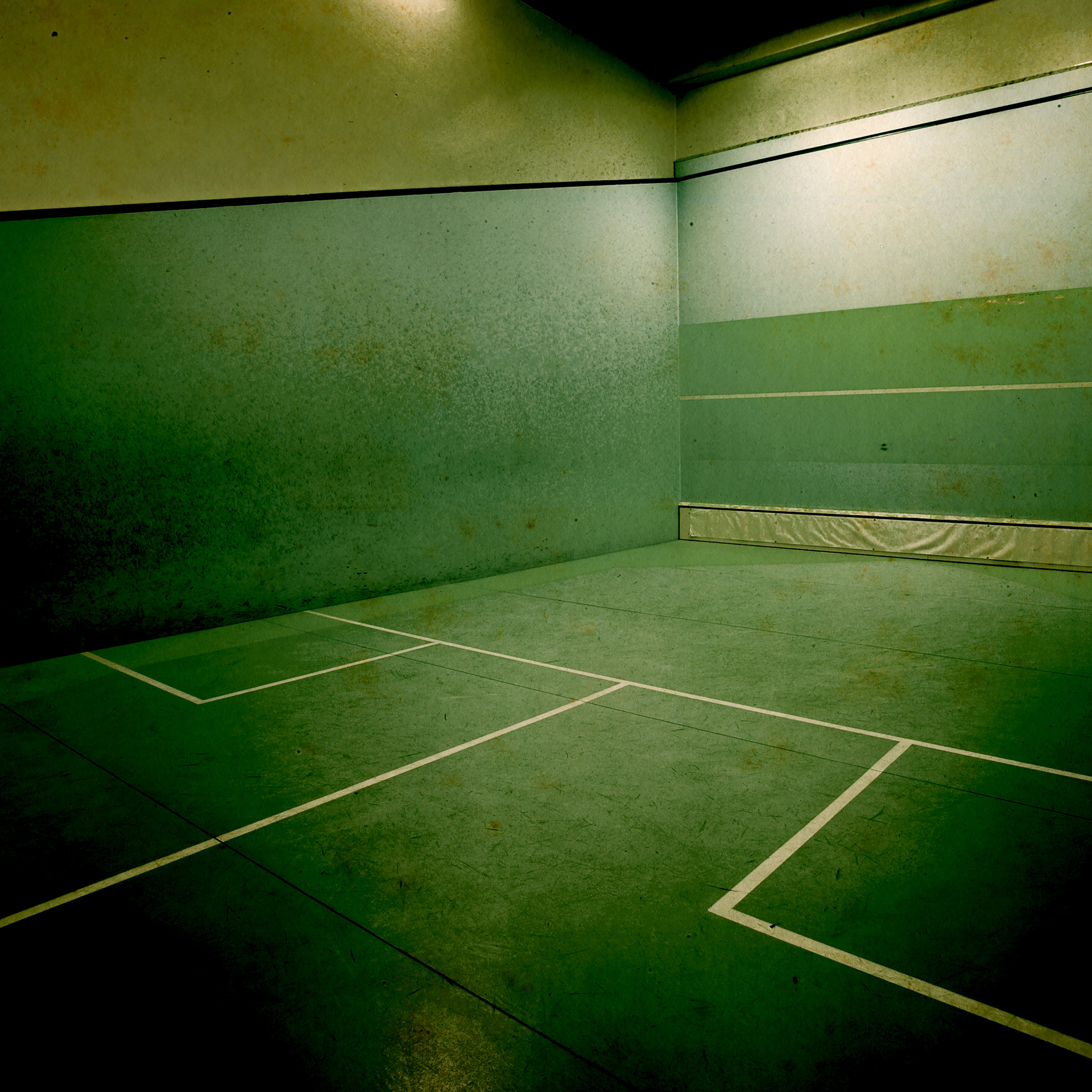
monte aventino. 2006. Fine Art Photograohic Inject Print. 80x80cm. Wooden frame with museum glass. Edition of 3.
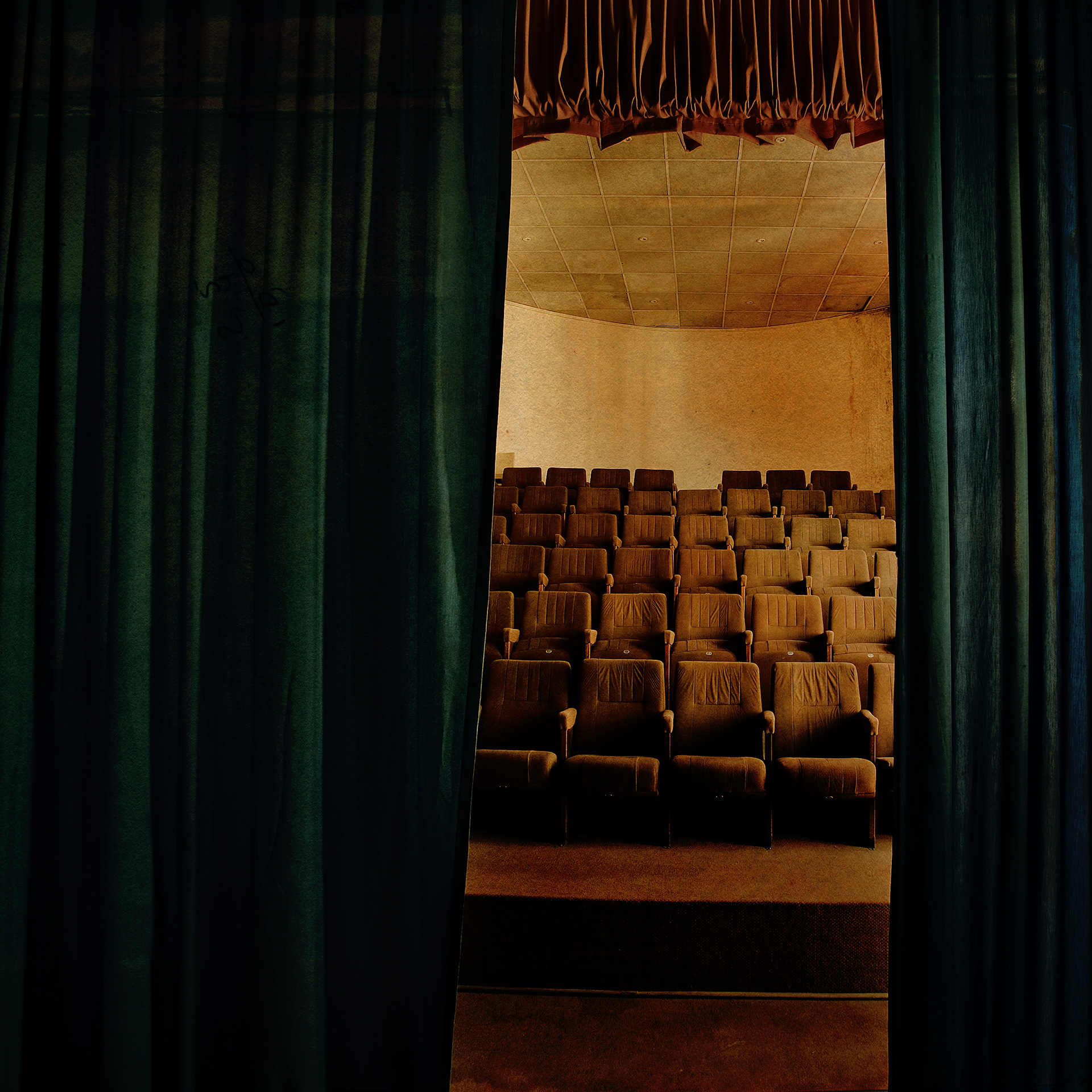
fenianos #1. 2007. Fine Art Photograohic Inject Print. 80x80cm. Wooden frame with museum glass. Edition of 3.
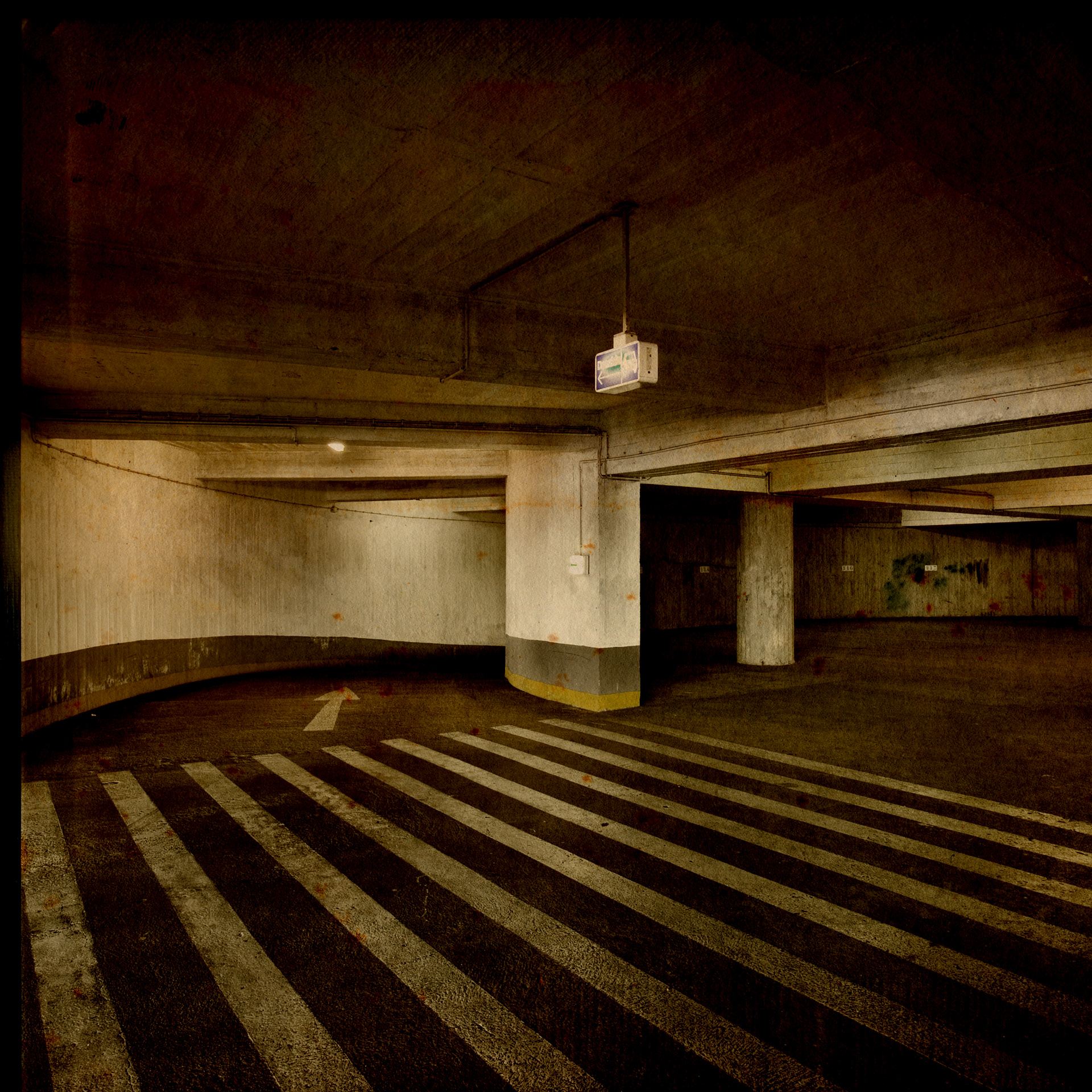
silo-auto #1. 2007. Fine Art Photograohic Inject Print. 80x80cm. Wooden frame with museum glass. Edition of 3.
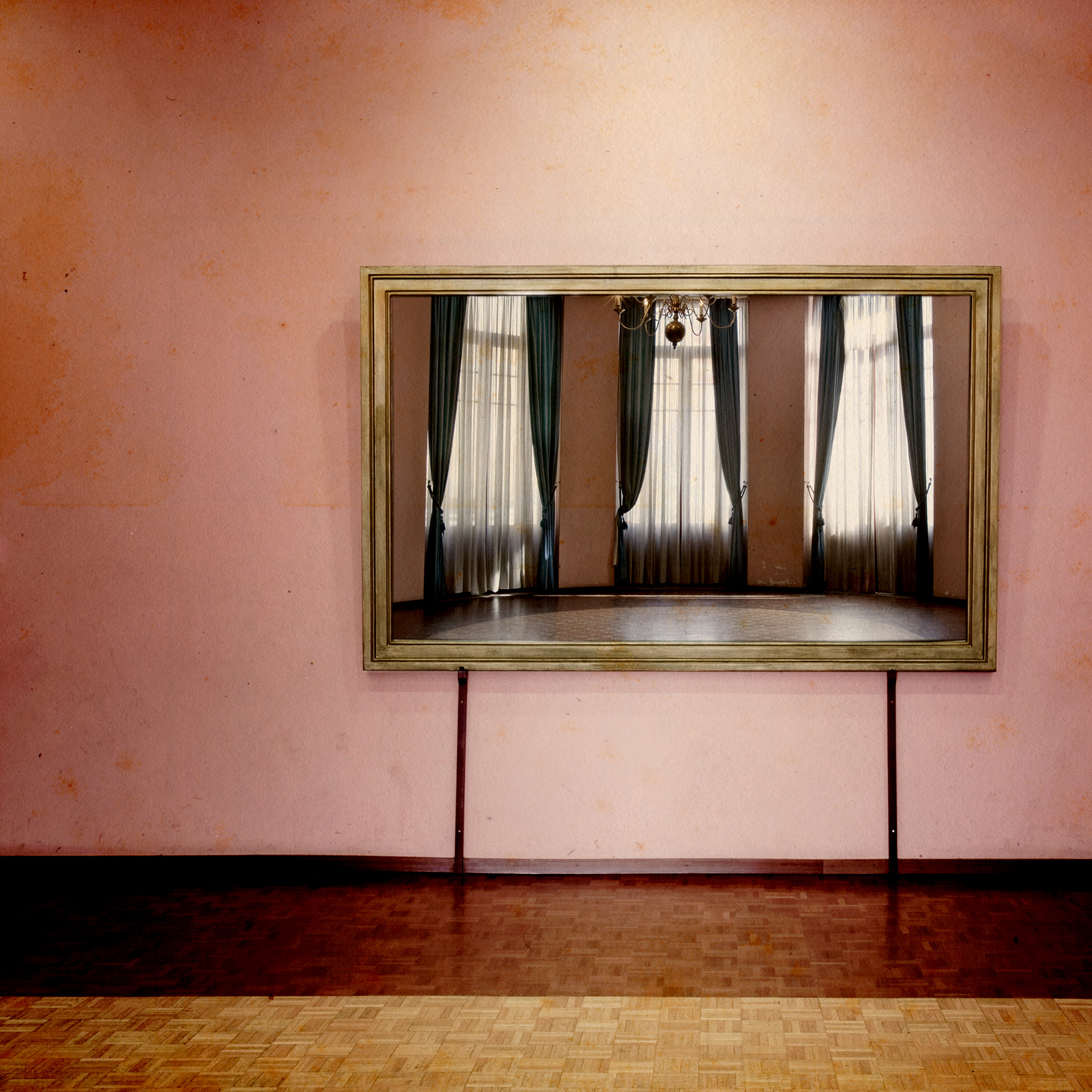
feniano #2. 2007. Fine Art Photograohic Inject Print. 80x80cm. Wooden frame with museum glass. Edition of 3.
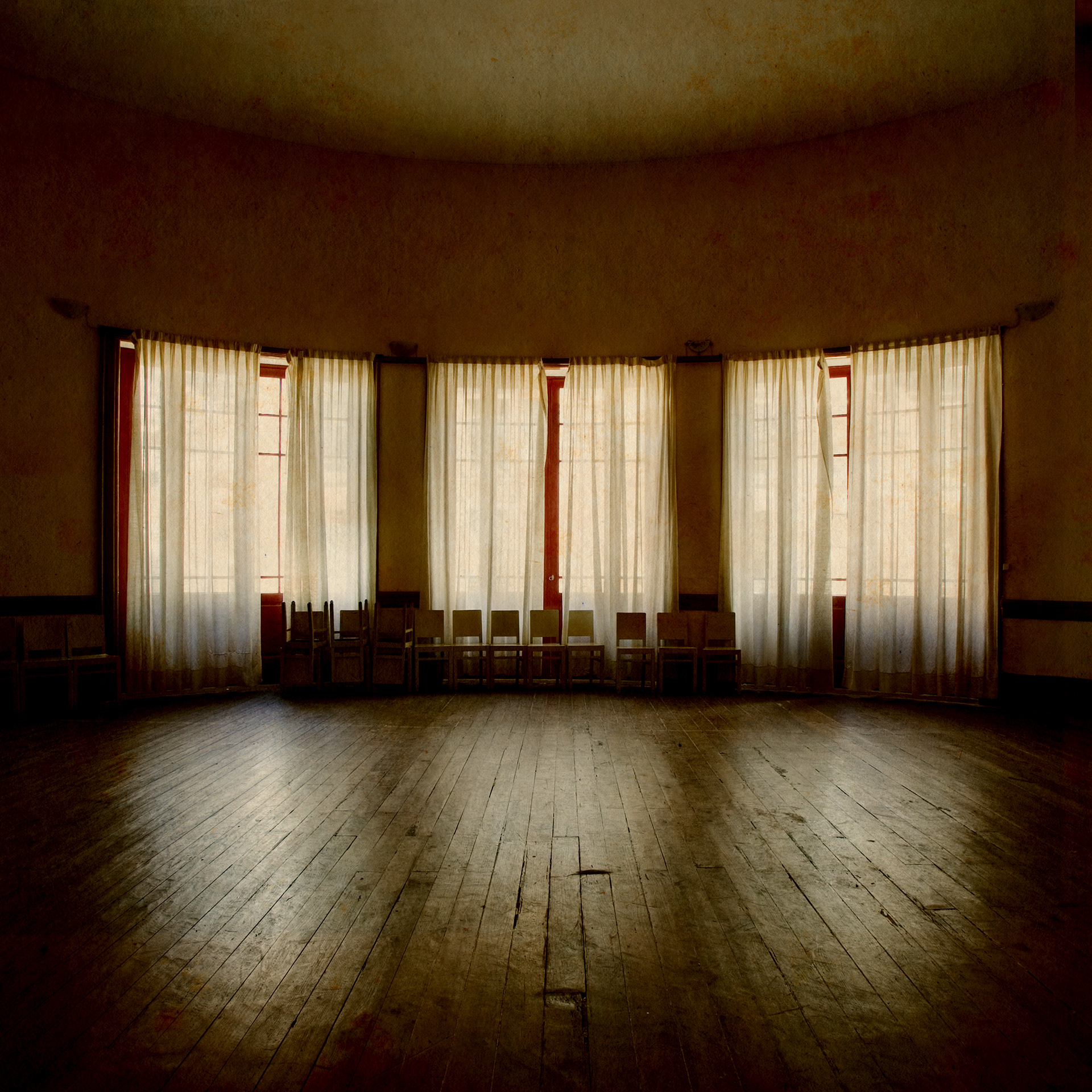
fenianos #4. 2007. Fine Art Photograohic Inject Print. 80x80cm. Wooden frame with museum glass. Edition of 3.
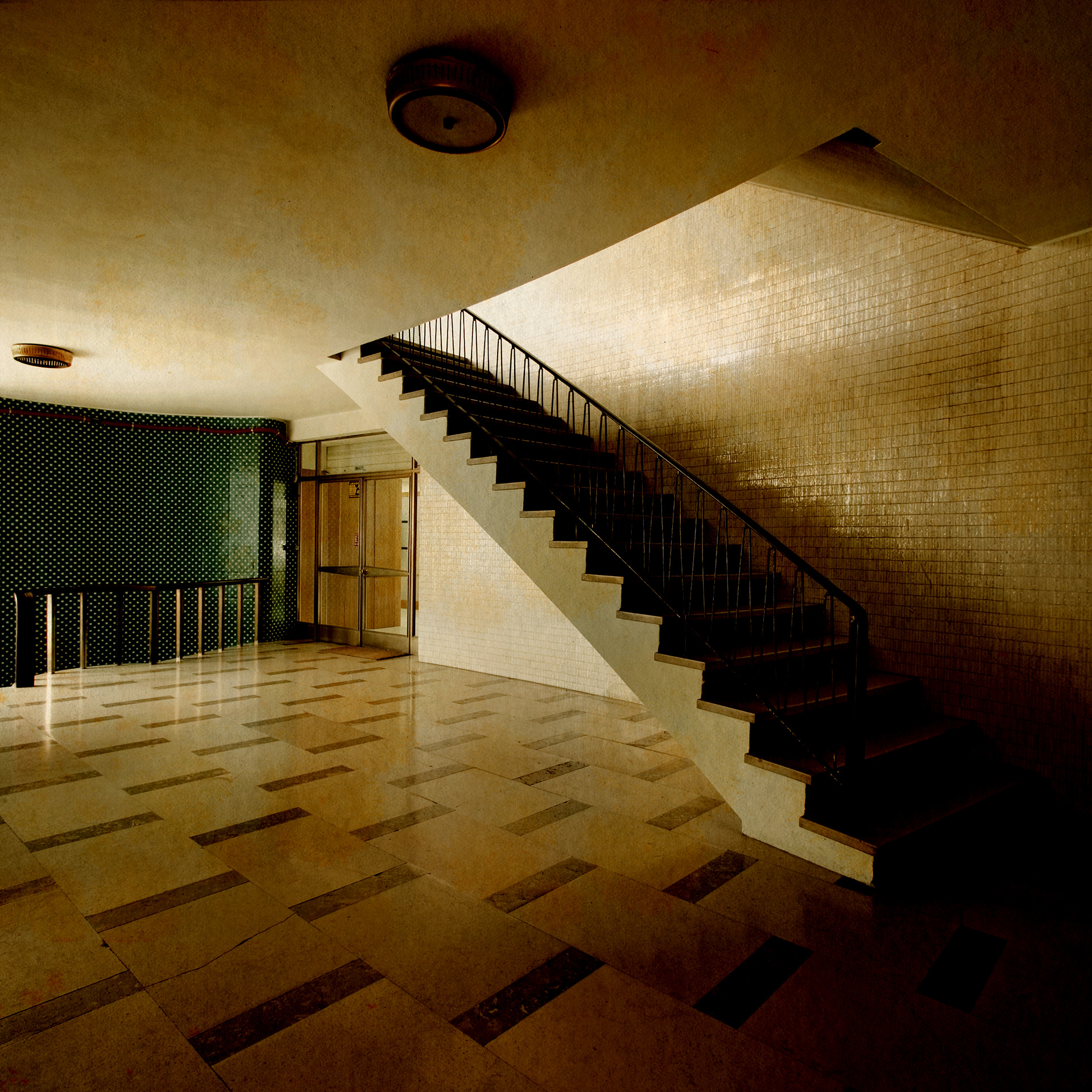
hall na sá da bandeira. 2007. Fine Art Photograohic Inject Print. 80x80cm. Wooden frame with museum glass. Edition of 3.
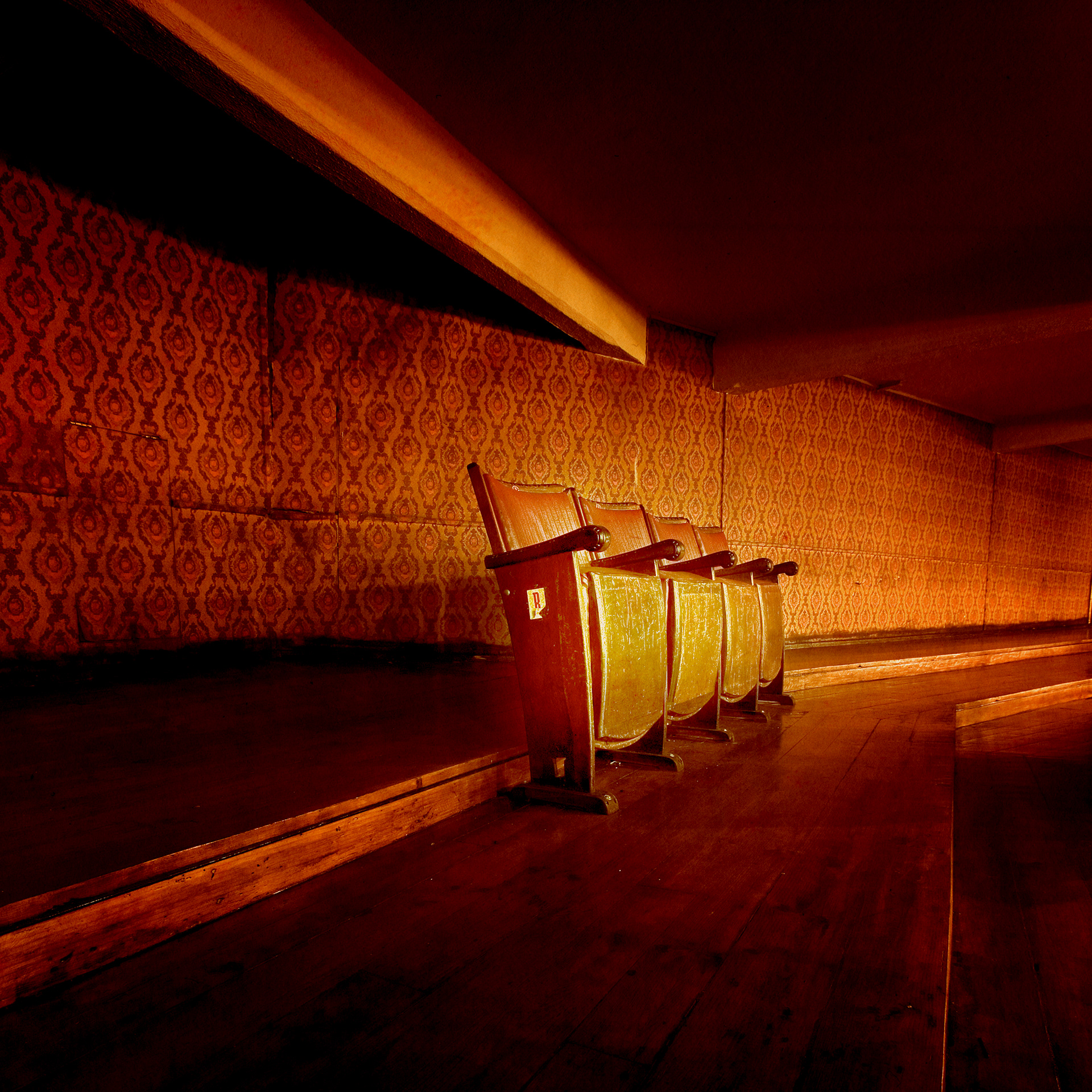
teatro sá da bandeira #1. 2007. Fine Art Photograohic Inject Print. 80x80cm. Wooden frame with museum glass. Edition of 3.
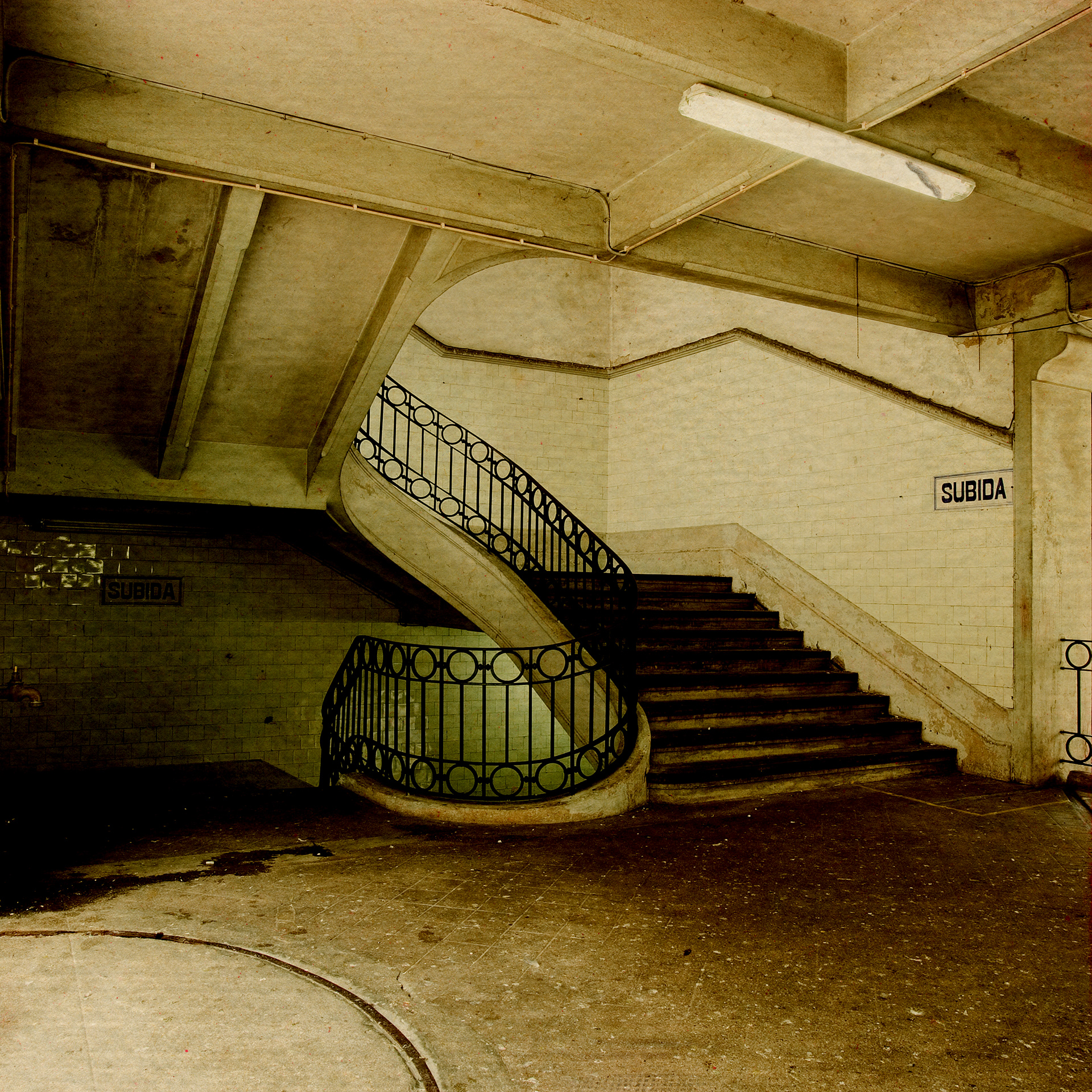
mercado do bolhão. 2007. Fine Art Photograohic Inject Print. 80x80cm. Wooden frame with museum glass. Edition of 3.
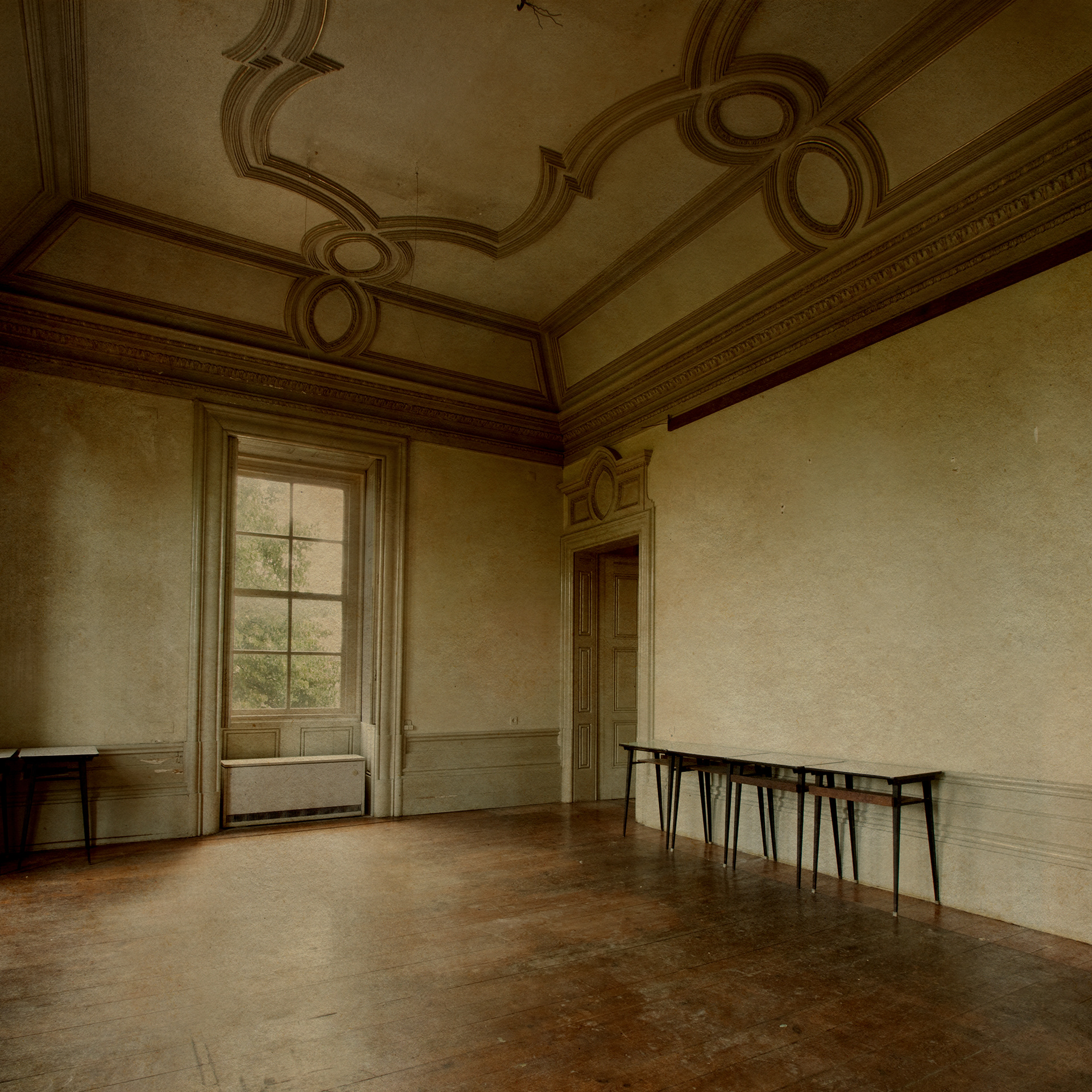
palacete pinto leite #3. 2010. Fine Art Photograohic Inject Print. 80x80cm. Wooden frame with museum glass. Edition of 3.
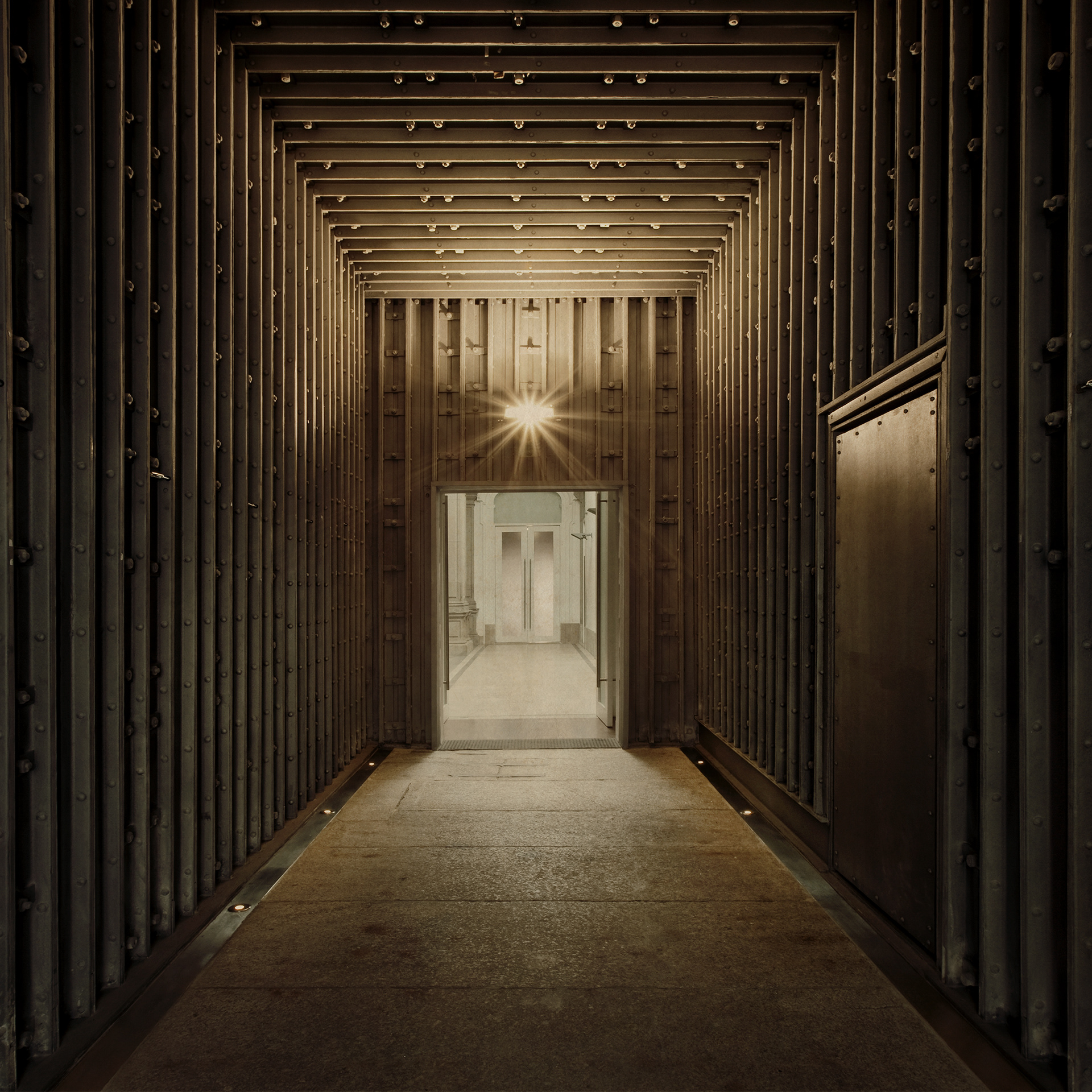
palácio das artes. 2010. Fine Art Photograohic Inject Print. 80x80cm. Wooden frame with museum glass. Edition of 3.
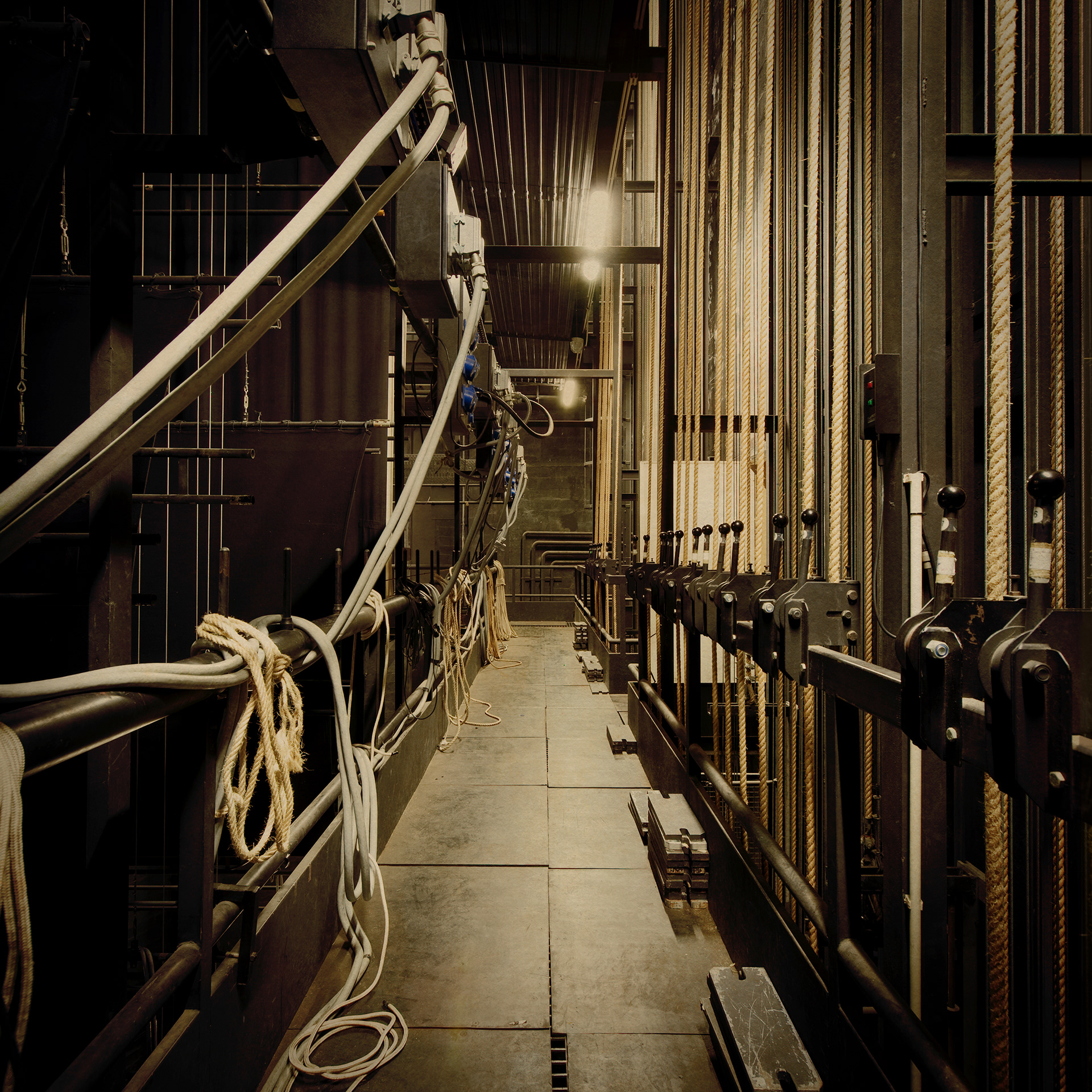
coliseu do porto #2. 2010. Fine Art Photograohic Inject Print. 80x80cm. Wooden frame with museum glass. Edition of 3.
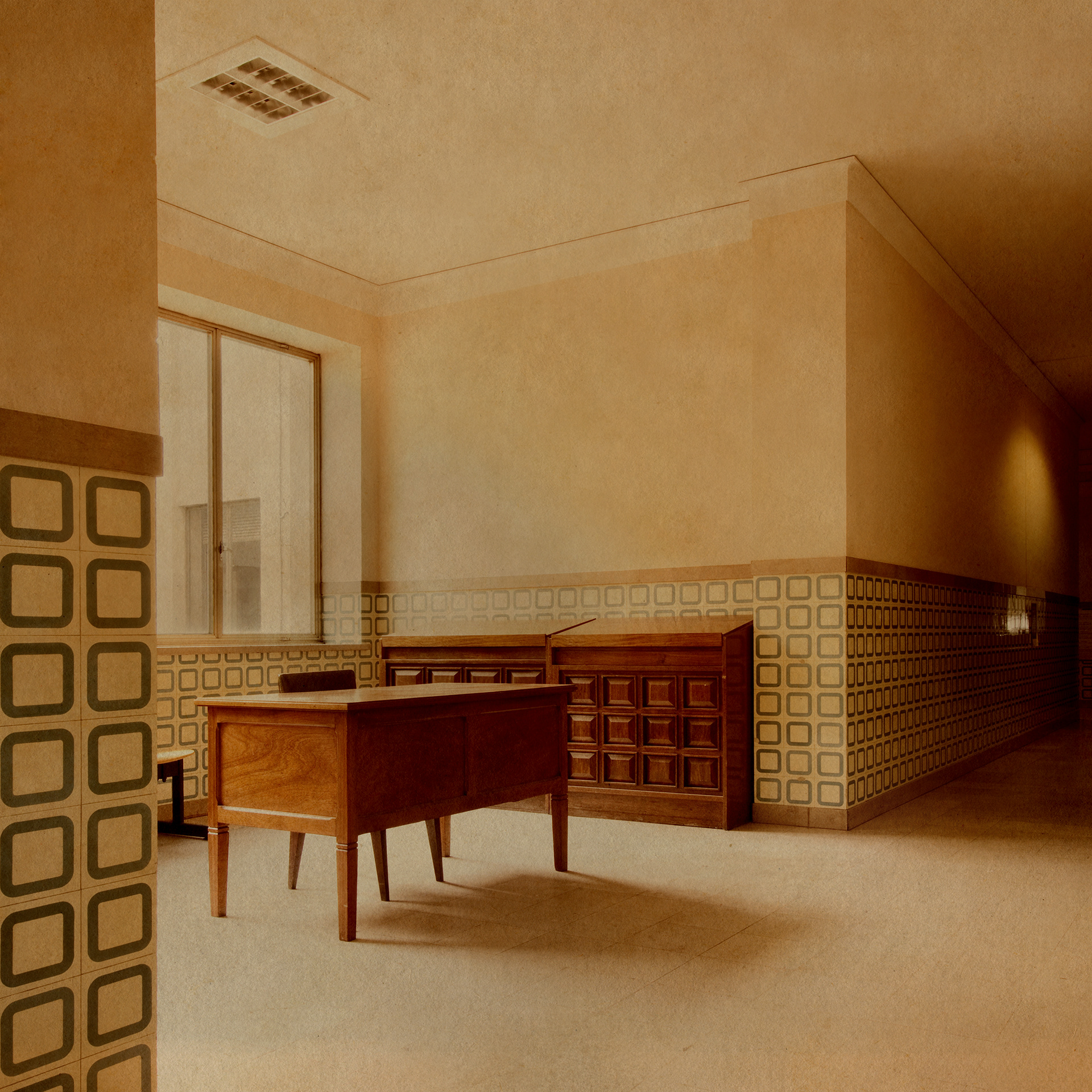
palácio da justiça #1. 2010. Fine Art Photograohic Inject Print. 80x80cm. Wooden frame with museum glass. Edition of 3.
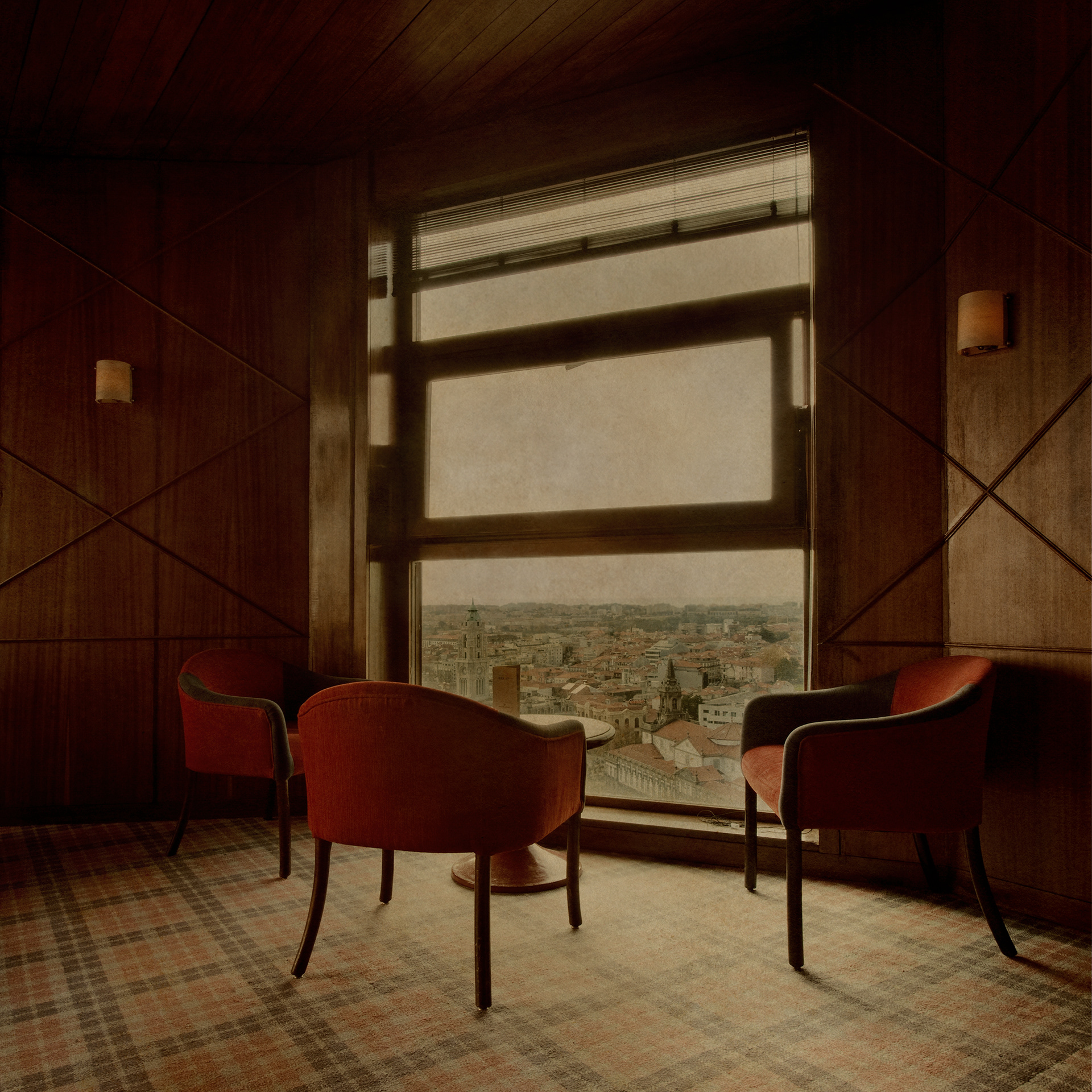
hotel dom Henrique #1. 2010. Fine Art Photograohic Inject Print. 80x80cm. Wooden frame with museum glass. Edition of 3.
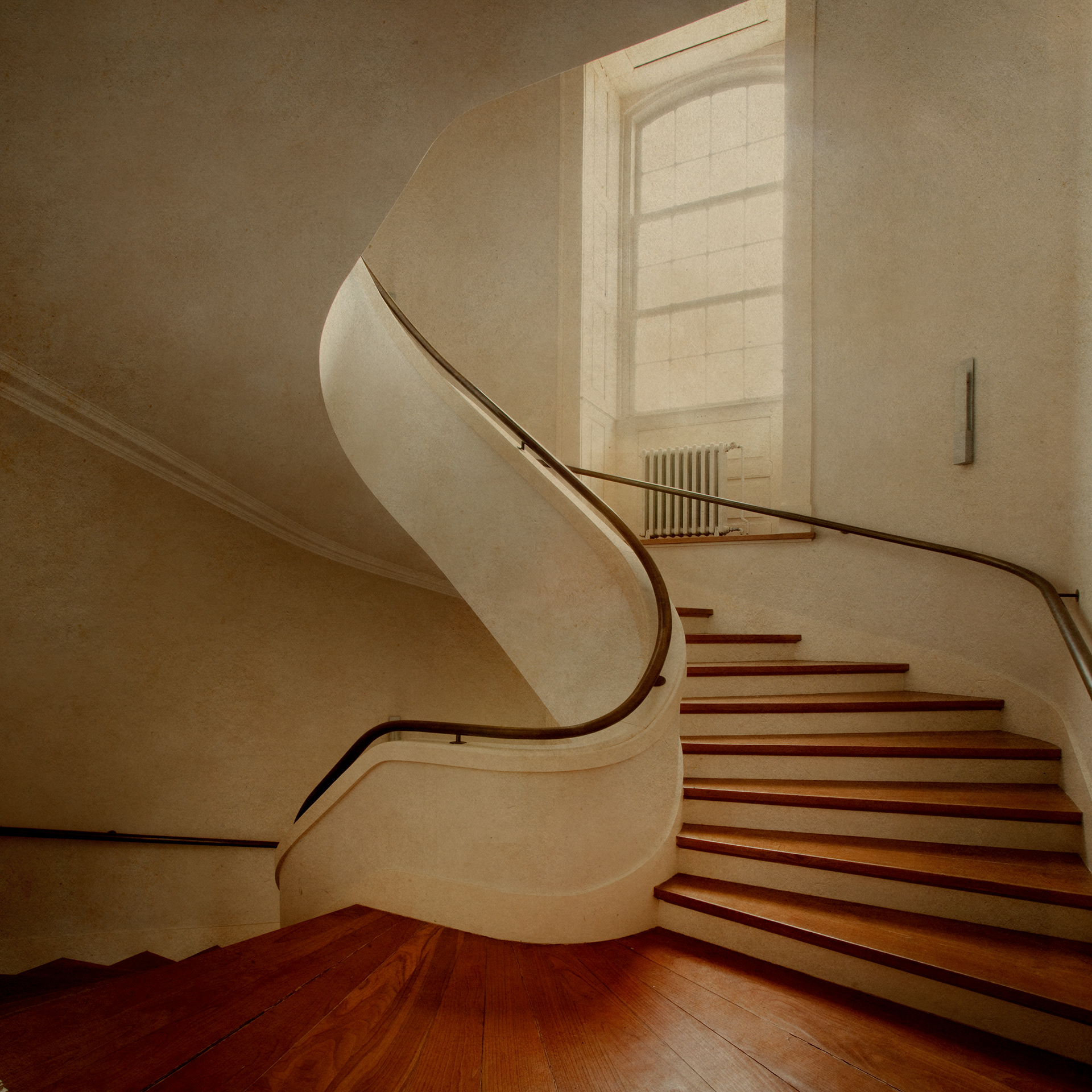
museu soares dos reis. 2010. Fine Art Photograohic Inject Print. 80x80cm. Wooden frame with museum glass. Edition of 3.
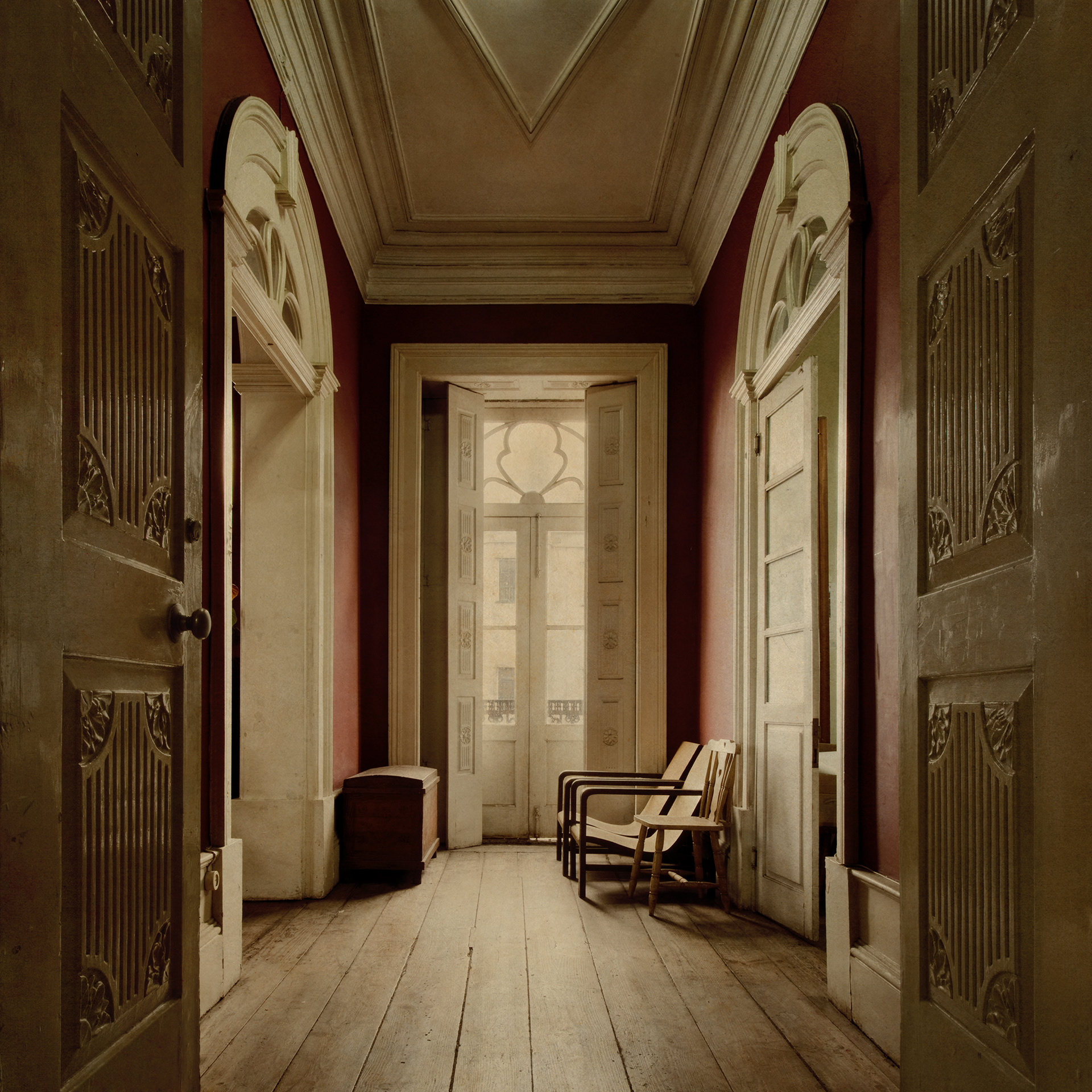
cineclube #2. 2011. Fine Art Photograohic Inject Print. 80x80cm. Wooden frame with museum glass. Edition of 3.
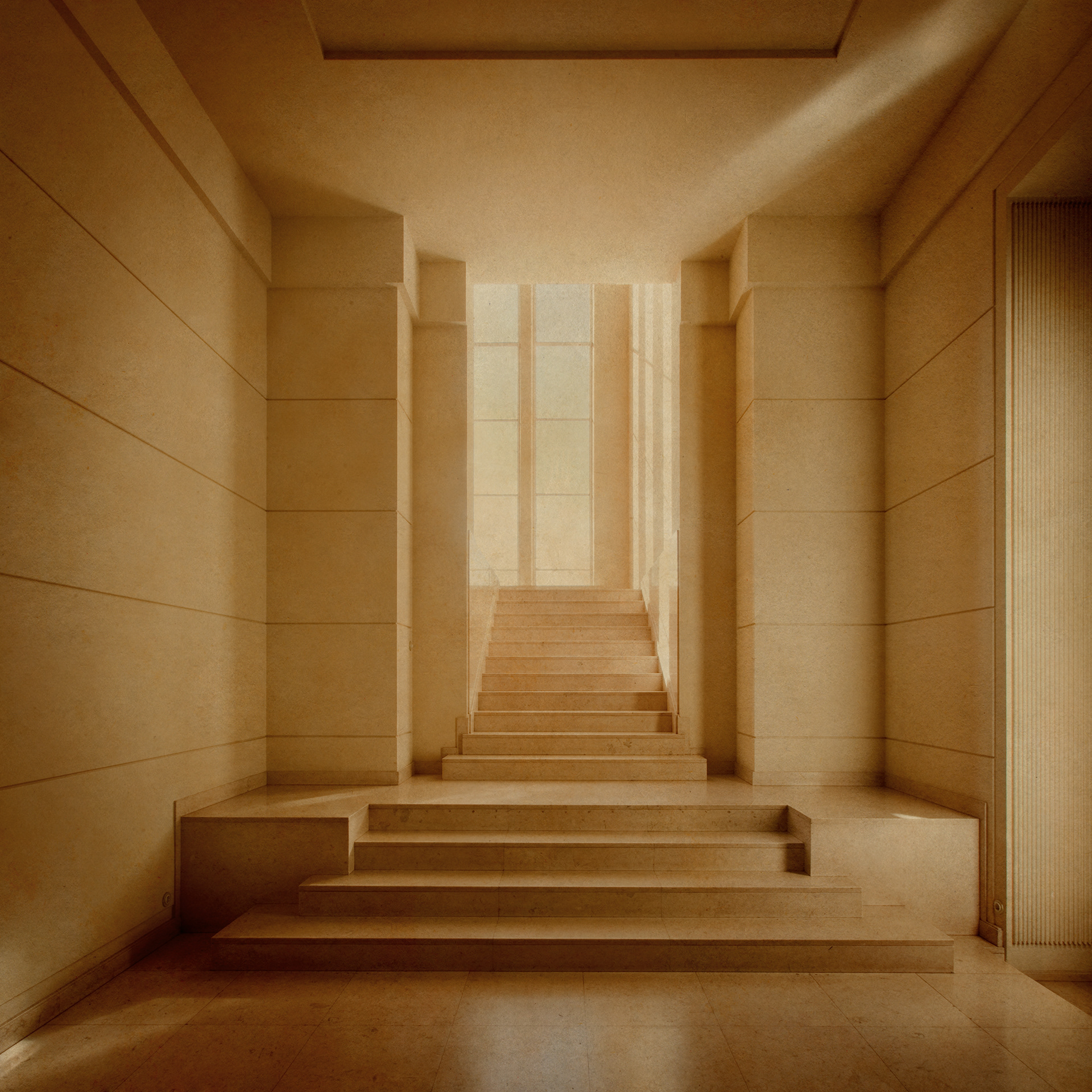
casa de Serralves #2. 2010. Fine Art Photograohic Inject Print. 80x80cm. Wooden frame with museum glass. Edition of 3.
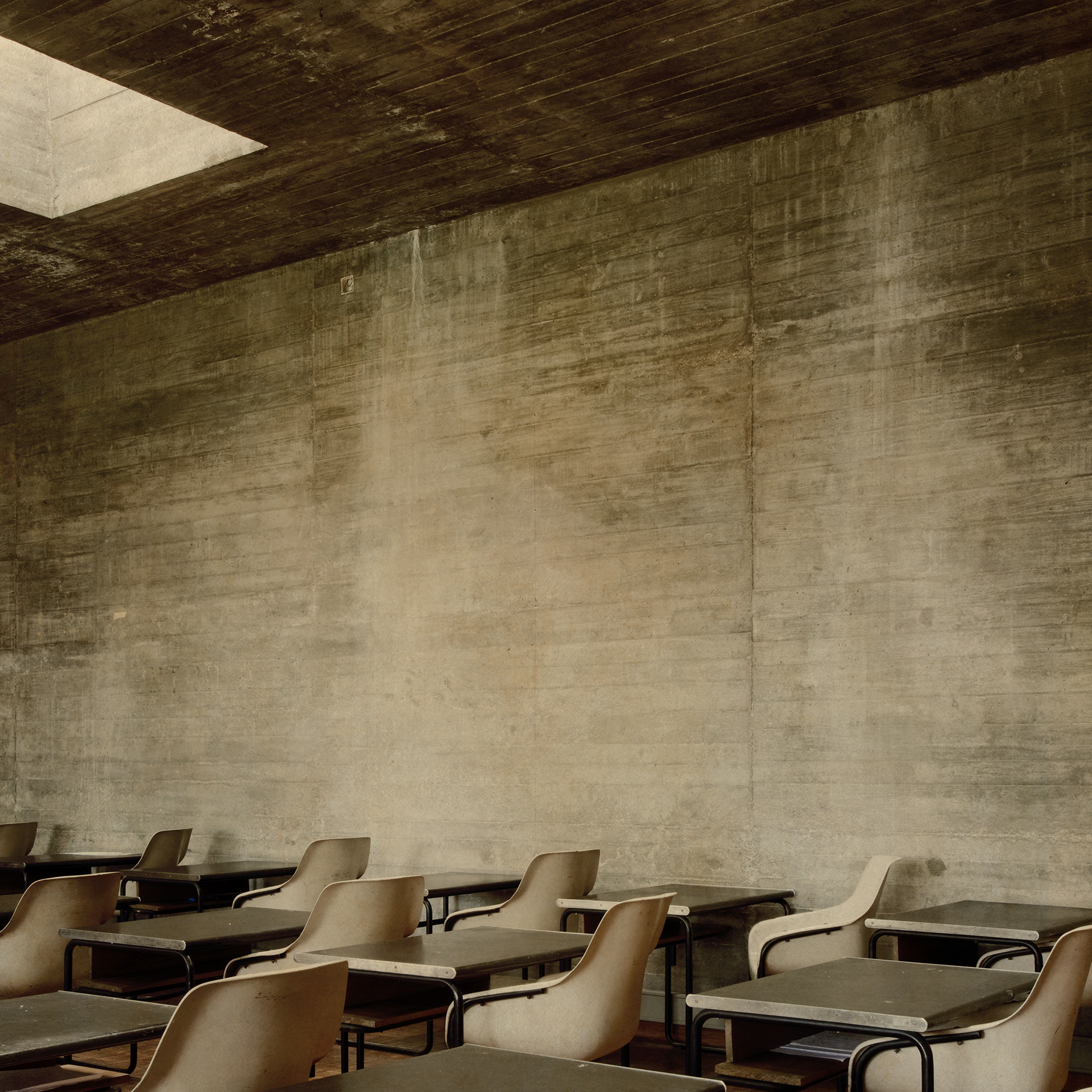
faculdade de economia #1. 2011. Fine Art Photograohic Inject Print. 80x80cm. Wooden frame with museum glass. Edition of 3.
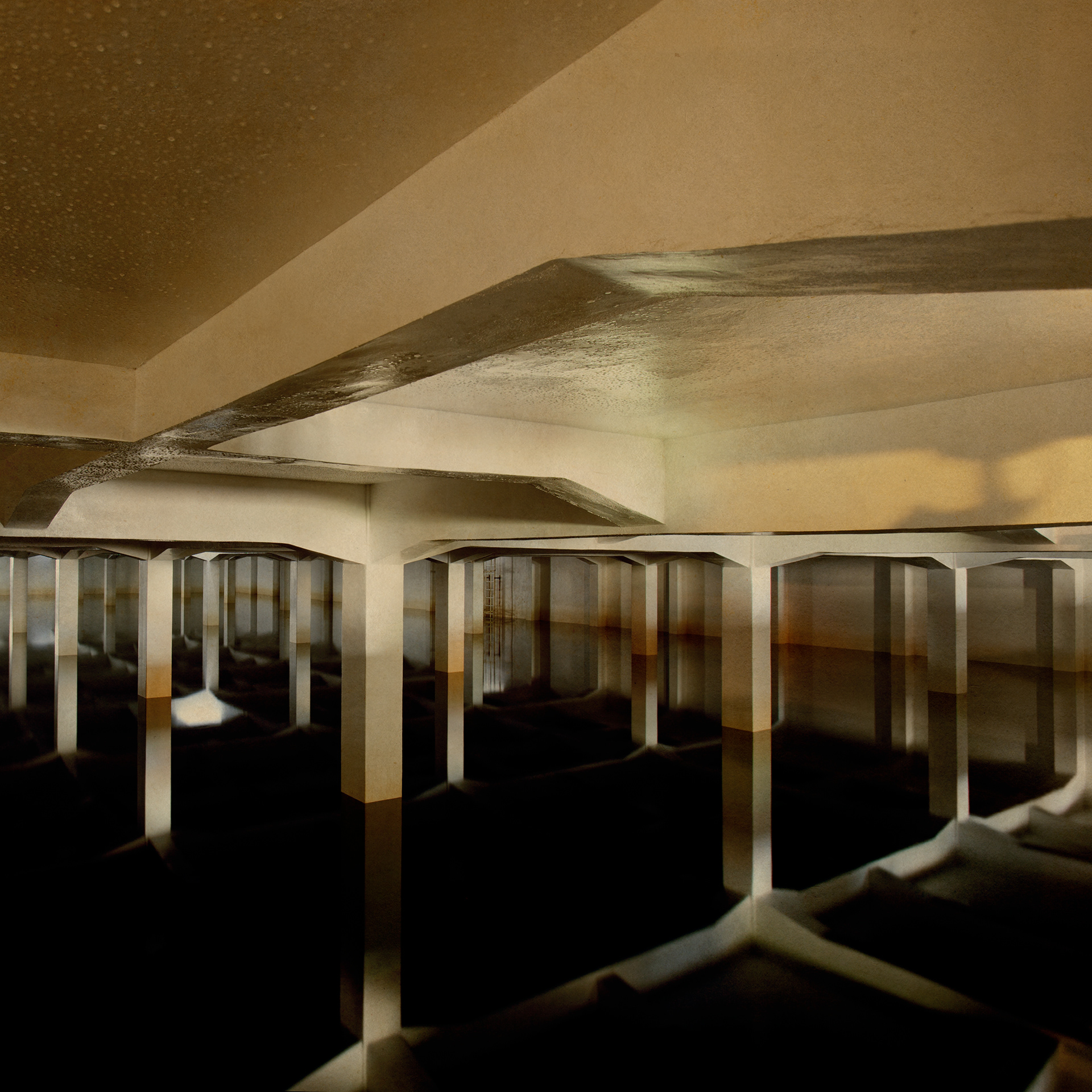
águas do porto #1. 2011. Fine Art Photograohic Inject Print. 80x80cm. Wooden frame with museum glass. Edition of 3.
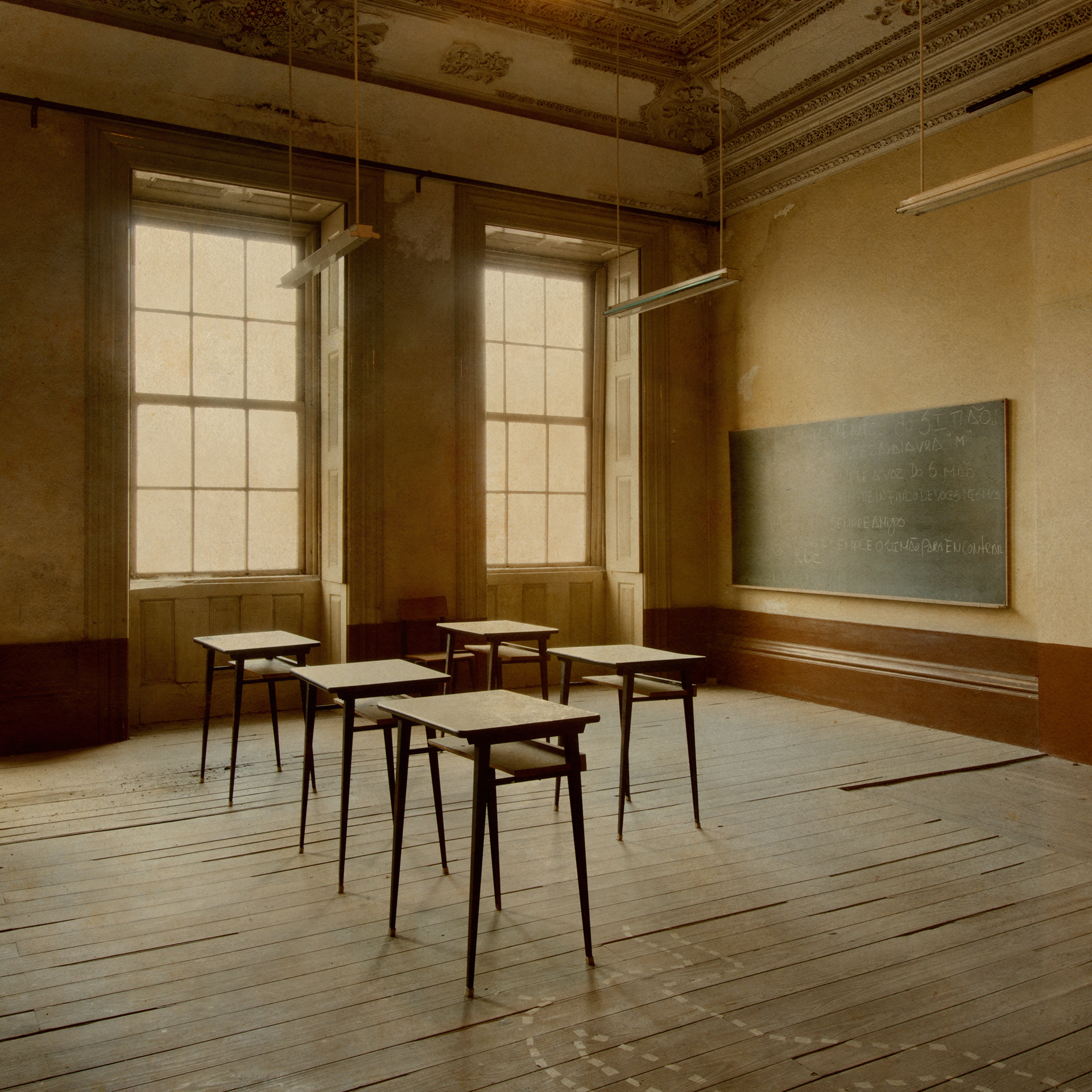
iscap #1. 2011. Fine Art Photograohic Inject Print. 80x80cm. Wooden frame with museum glass. Edition of 3.
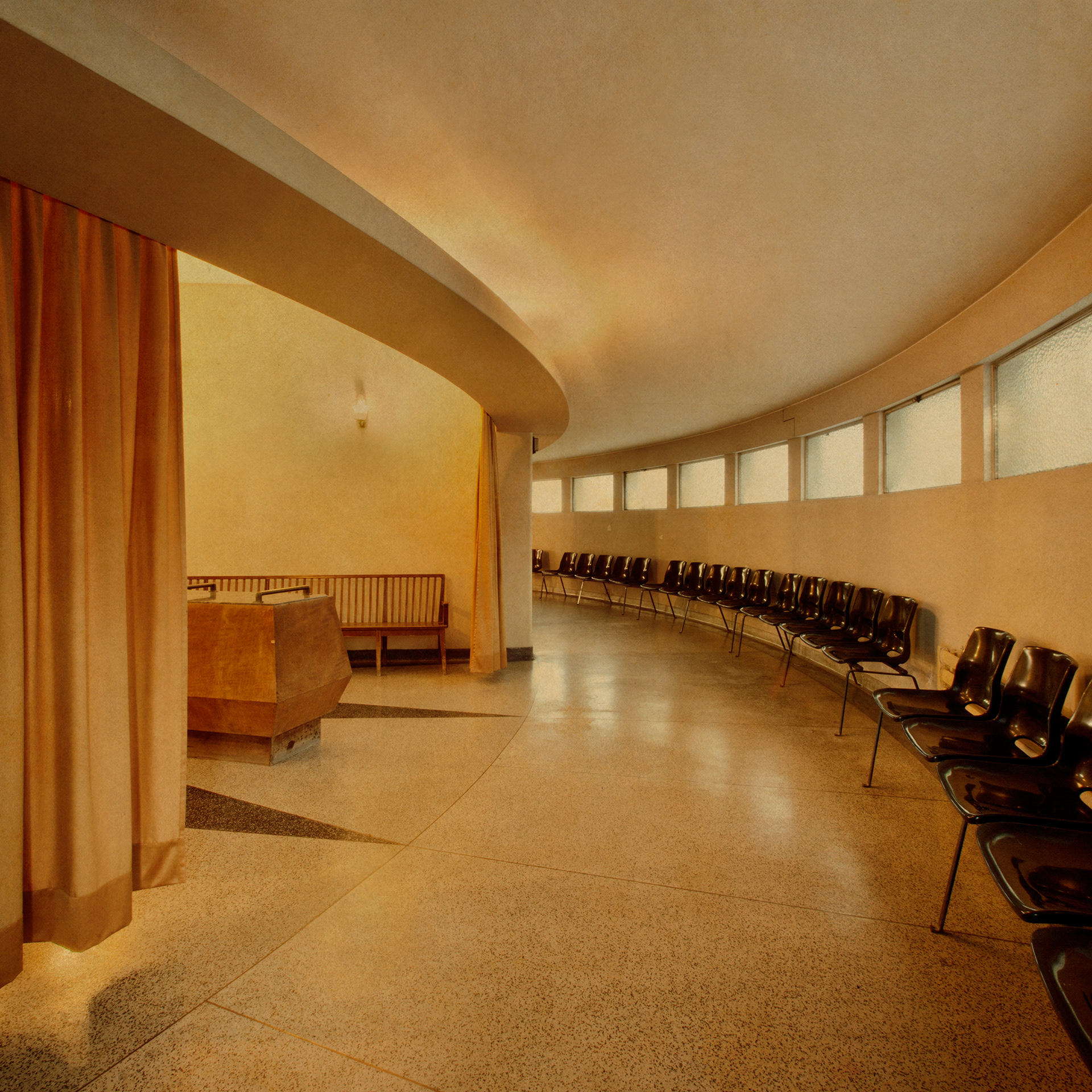
hospital de são joão #1. 2010. Fine Art Photograohic Inject Print. 80x80cm. Wooden frame with museum glass. Edition of 3.
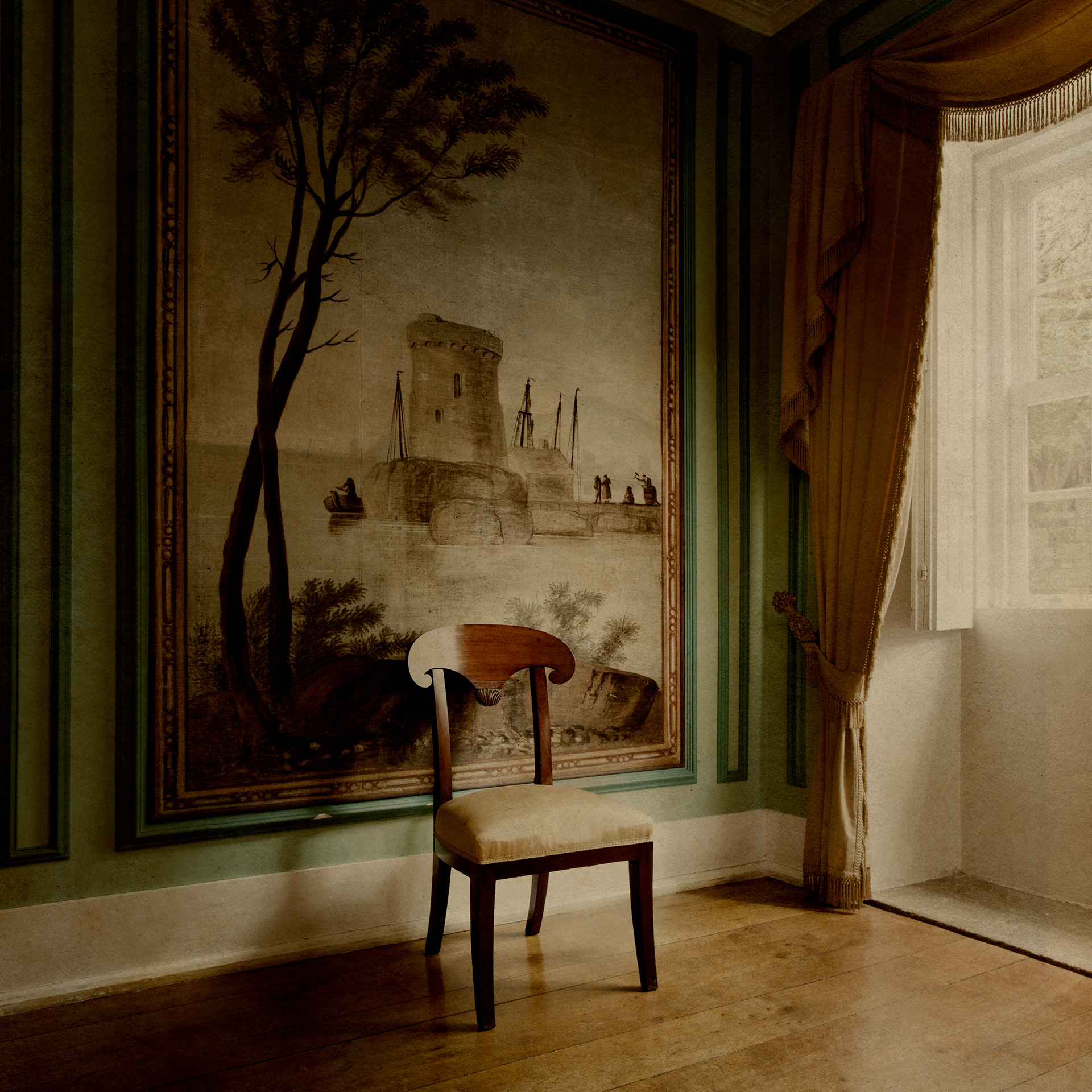
museu romântico. 2011. Fine Art Photograohic Inject Print. 80x80cm. Wooden frame with museum glass. Edition of 3.
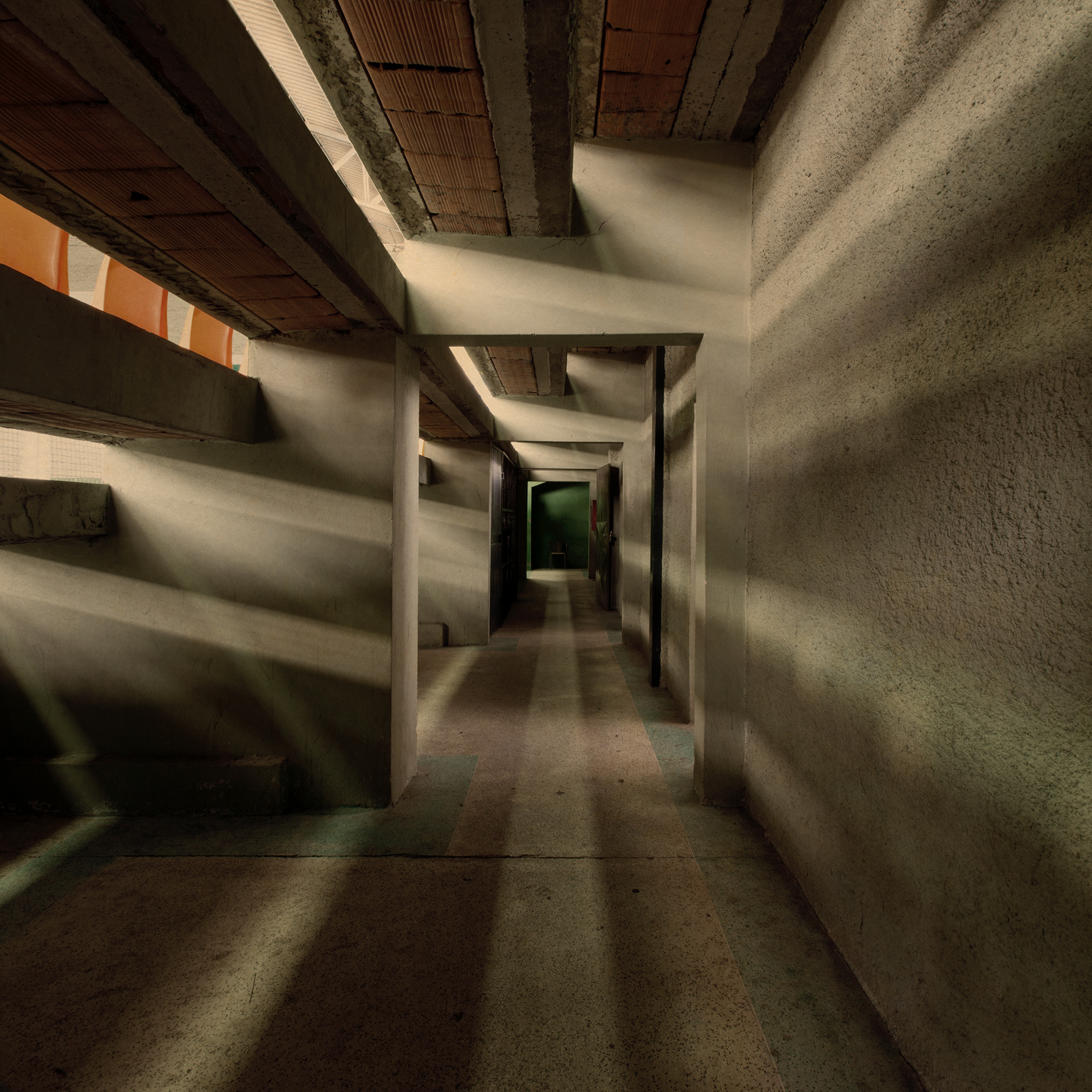
vigorosa #1. 2011. Fine Art Photograohic Inject Print. 80x80cm. Wooden frame with museum glass. Edition of 3.
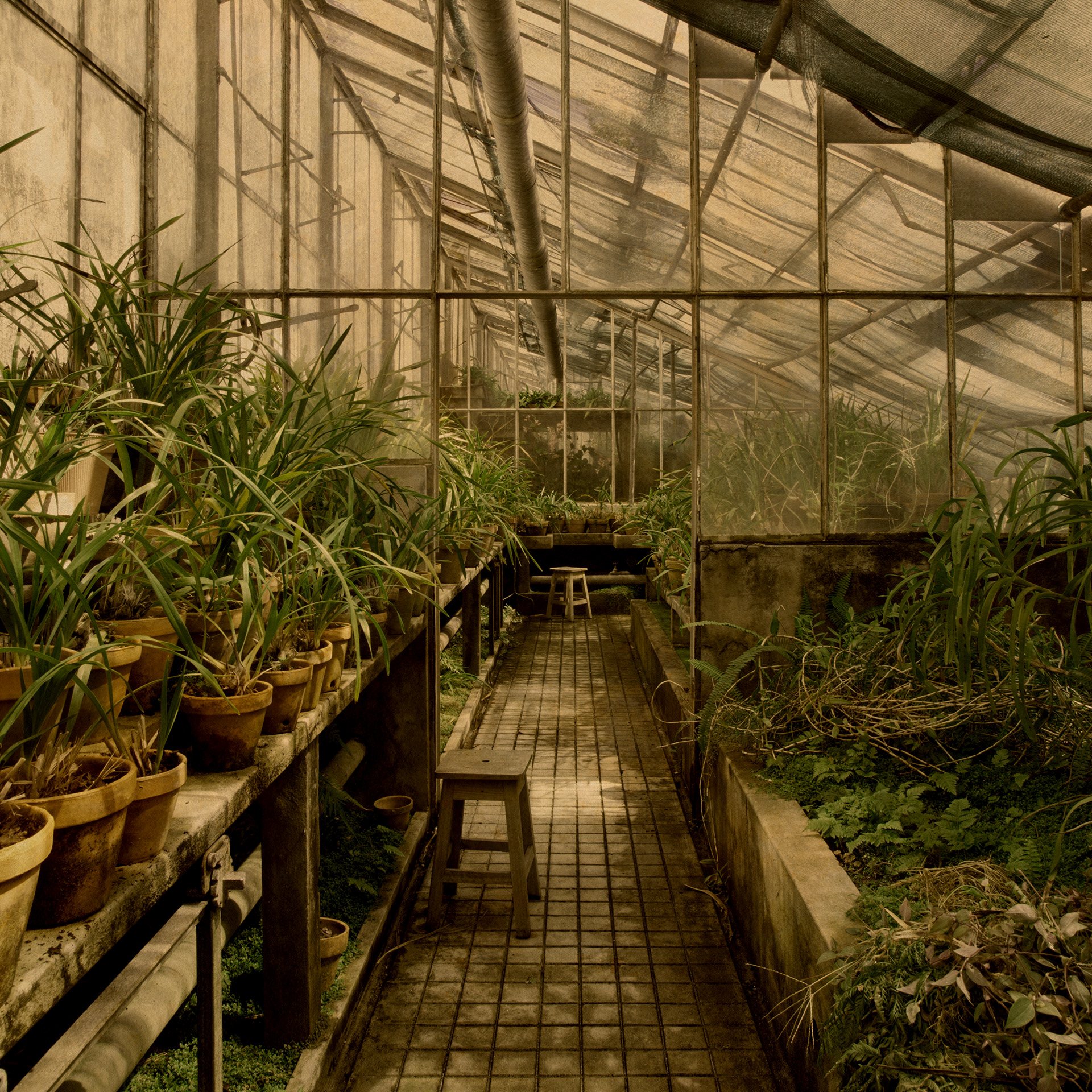
jardim botânico #1. 2011. Fine Art Photograohic Inject Print. 80x80cm. Wooden frame with museum glass. Edition of 3.
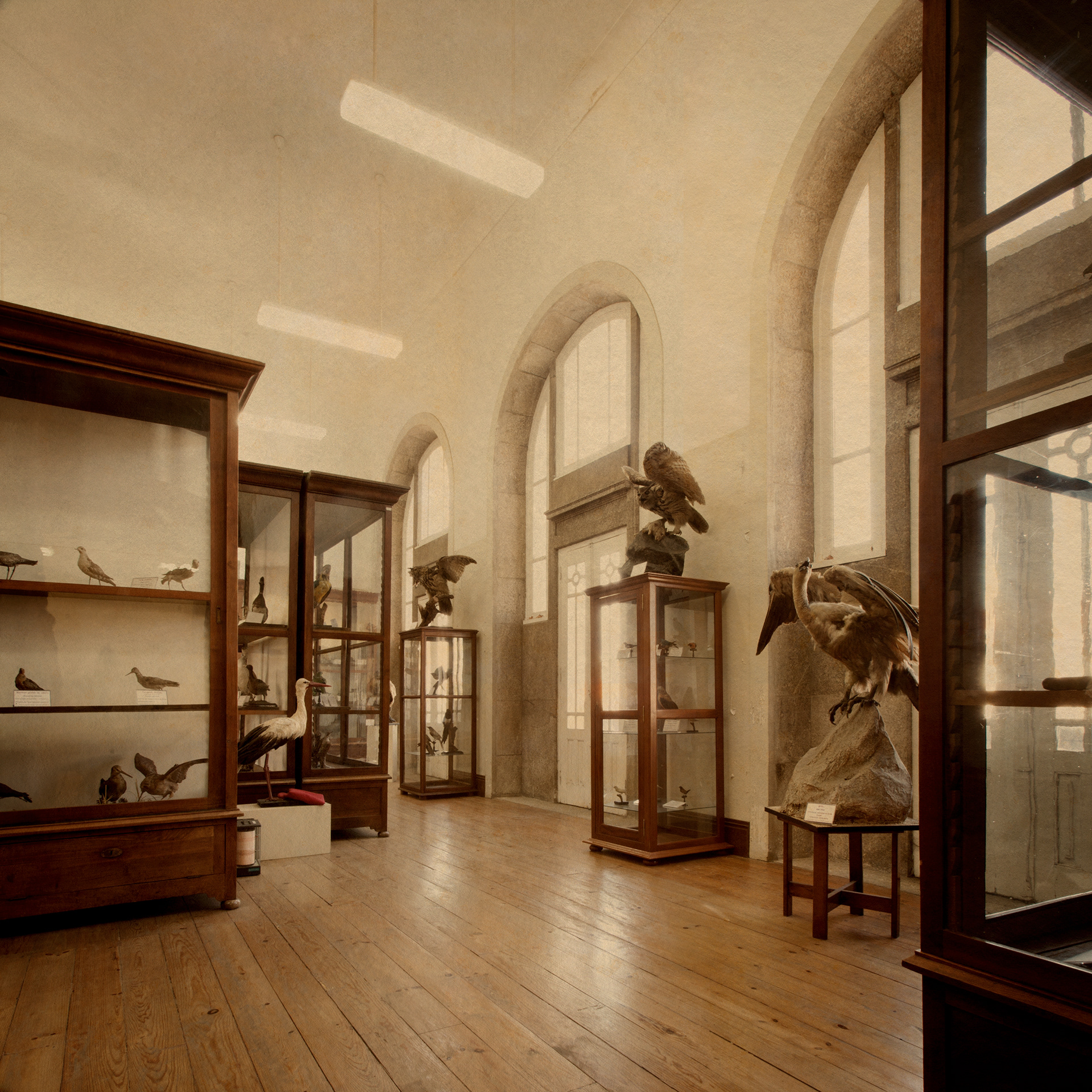
alexandre herculano #2. 2011. Fine Art Photograohic Inject Print. 80x80cm. Wooden frame with museum glass. Edition of 3.
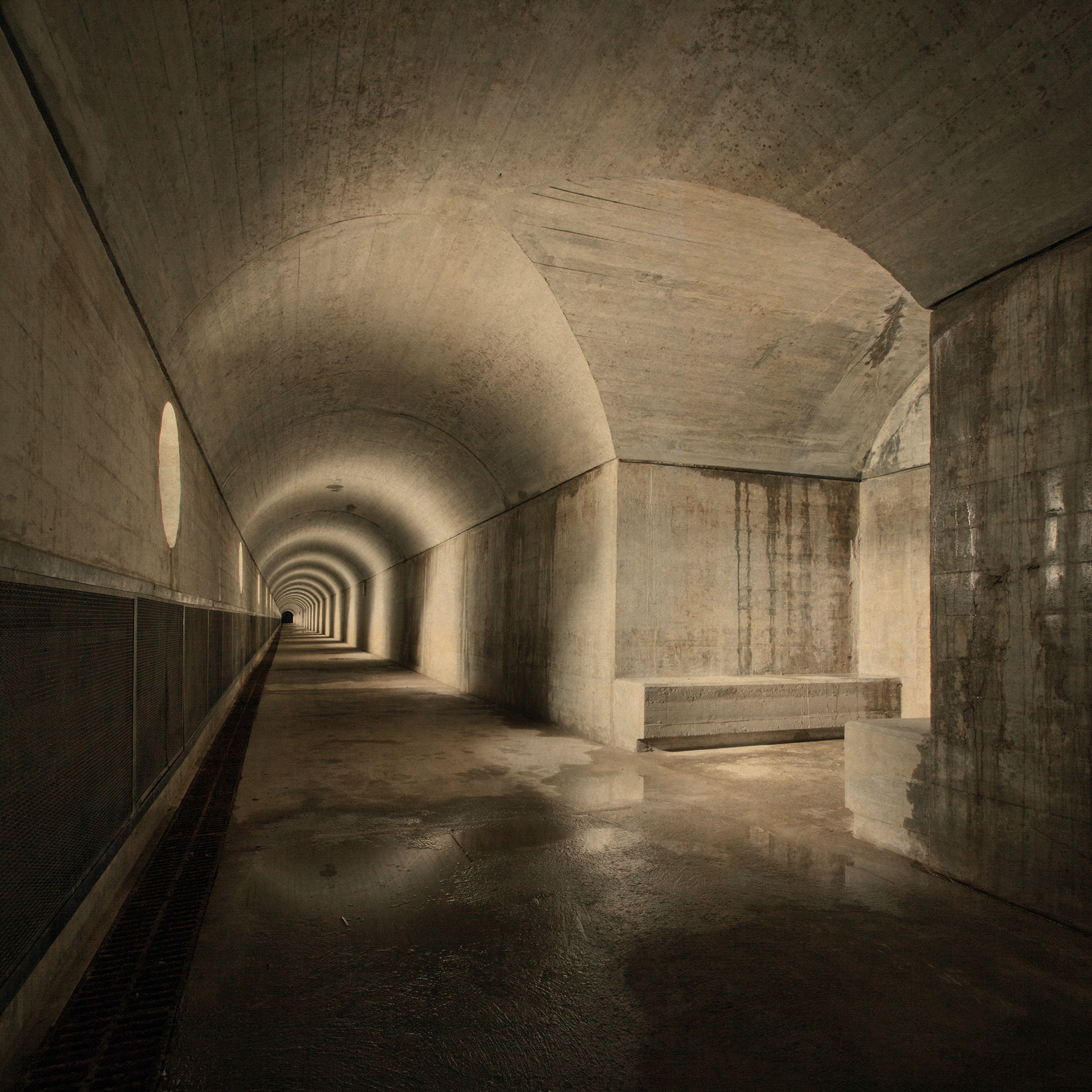
molhe norte do douro #1. 2011. Fine Art Photograohic Inject Print. 80x80cm. Wooden frame with museum glass. Edition of 3.
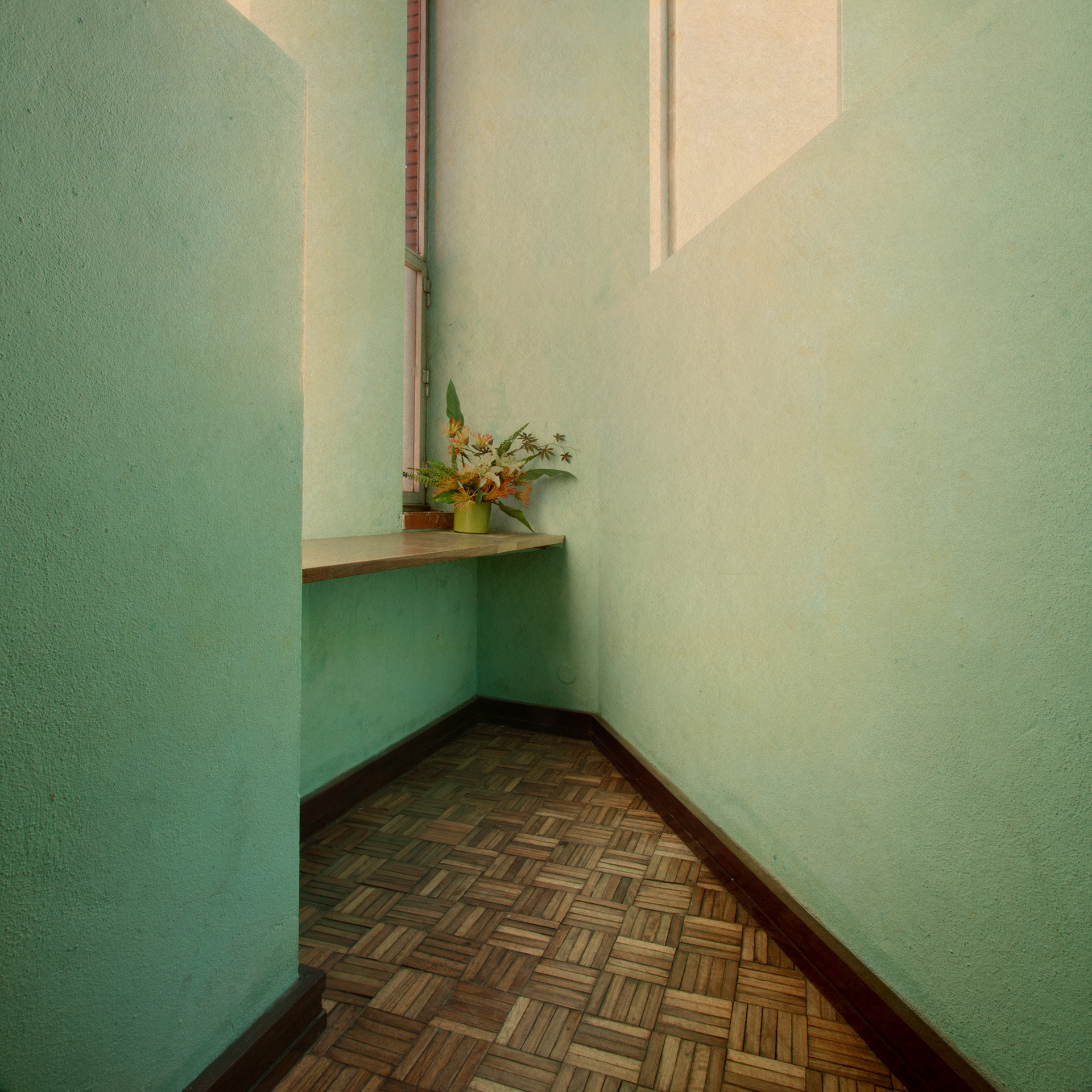
perpétuo socorro #1. 2011. Fine Art Photograohic Inject Print. 80x80cm. Wooden frame with museum glass. Edition of 3.
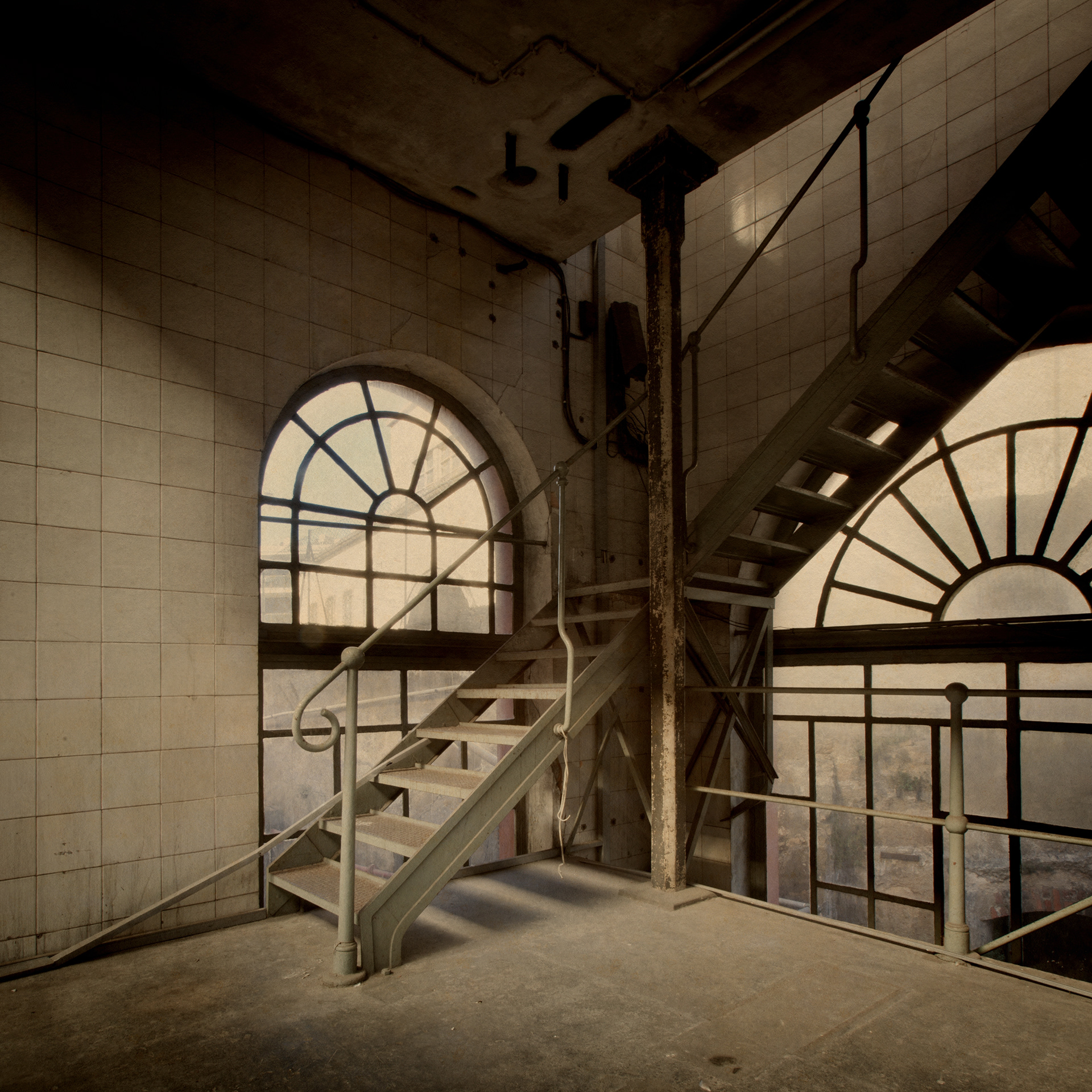
museu do carro eléctrico #1. 2011. Fine Art Photograohic Inject Print. 80x80cm. Wooden frame with museum glass. Edition of 3.
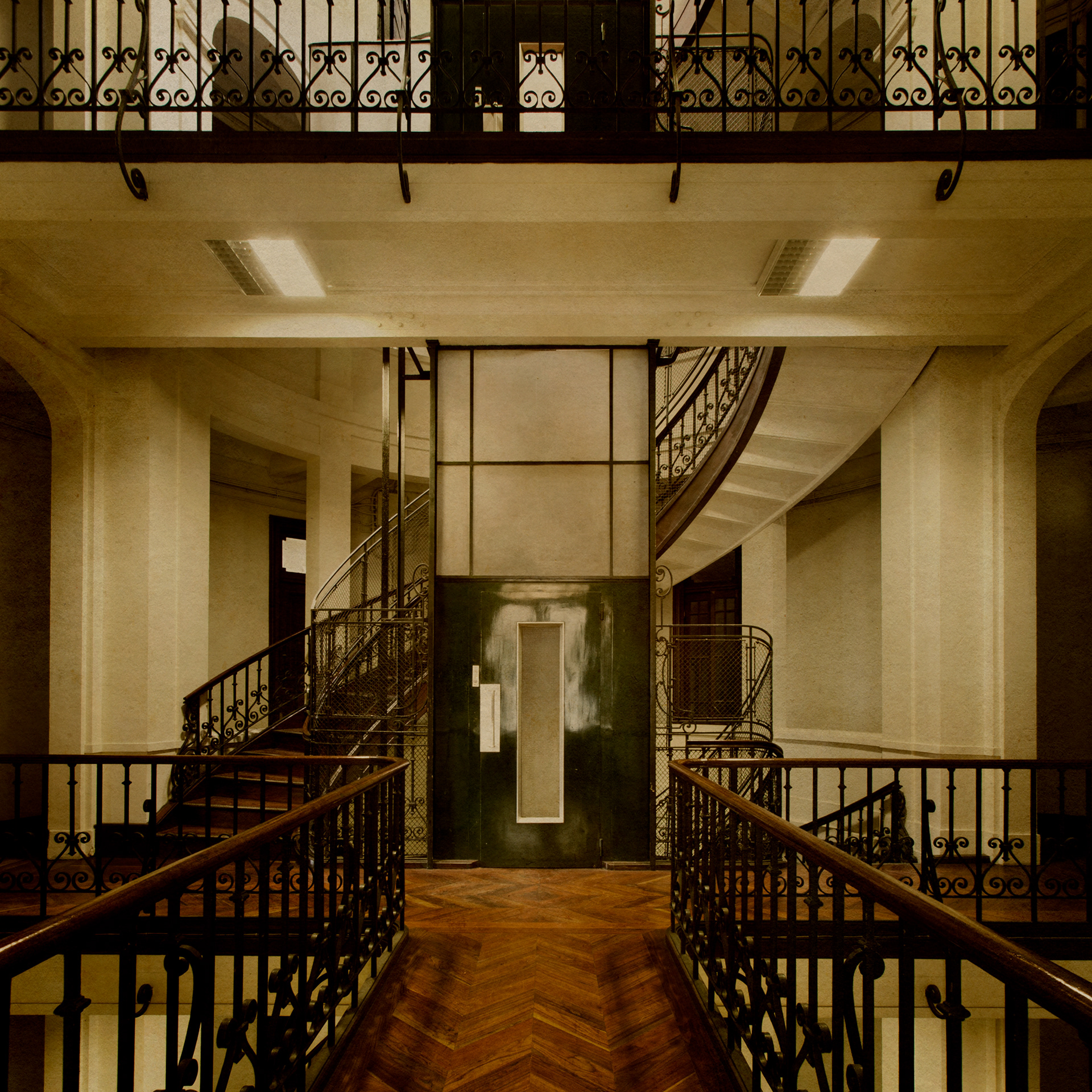
escadas nos aliados #1. 2008. Fine Art Photograohic Inject Print. 80x80cm. Wooden frame with museum glass. Edition of 3.
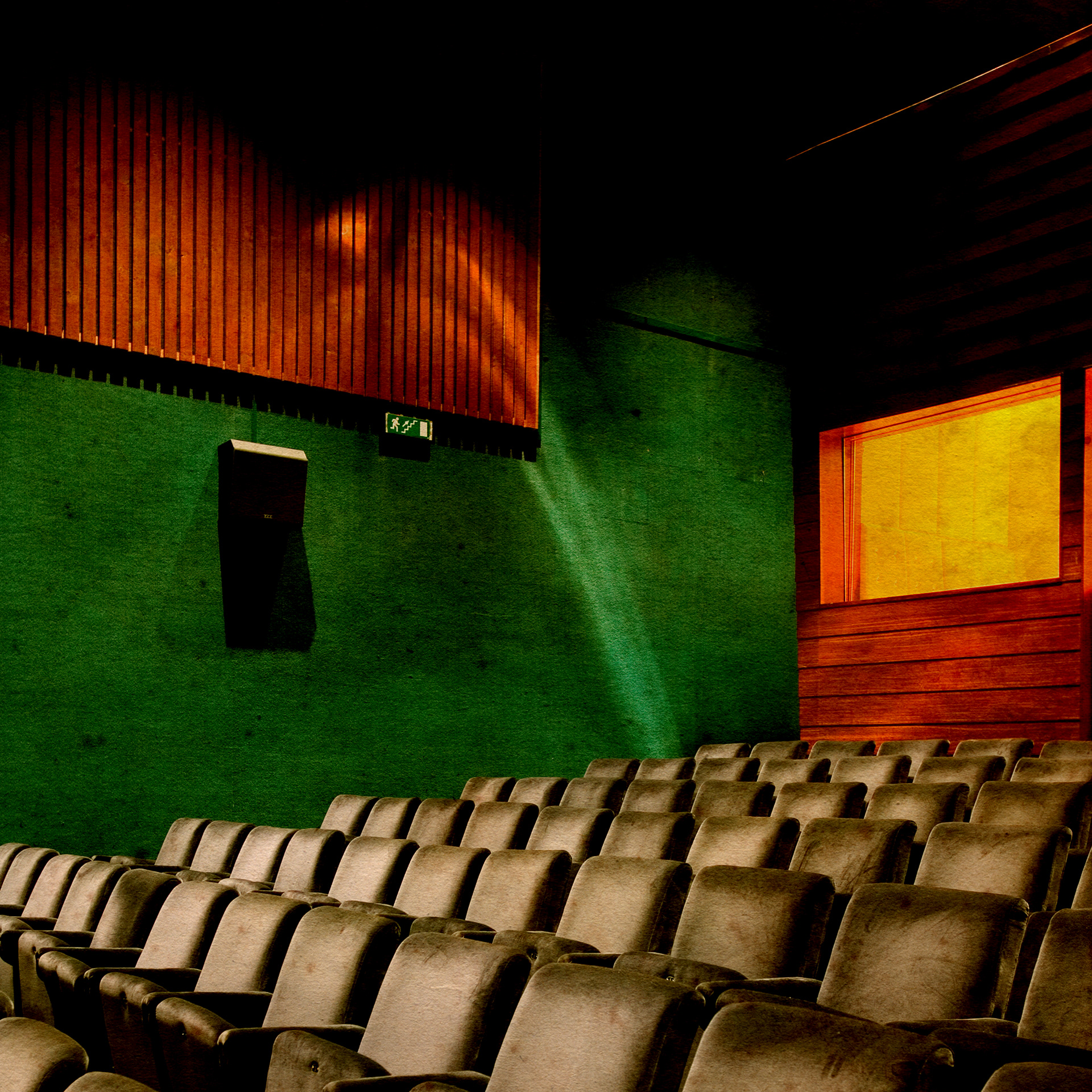
passos manuel. 2010. Fine Art Photograohic Inject Print. 80x80cm. Wooden frame with museum glass. Edition of 3.
The Narrative of a City
Written by Whitney C. Johnson in October 2011 for the book Porto Interior
A richly hued theatre, with rows of deep red and fluorescent pink seating (casa da música #2, 2006); ten horizontal stripes on the concrete floor of a vacant, monotone parking garage with a lone arrow pointing down the ramp (silo-auto #1, 2007); three empty chairs gathered around a window, overlooking rooftops rendered with a delicate, painterly quality (hotel dom henrique #1, 2010); a collection of taxidermied birds perched in a airy room, some behind protective glass (alexandre herculano #2, 2011).
An impressive collection of spaces – from the most public to the utterly banal to the intimately private – all reveal themselves as rich tableaus to the young Inês d'Orey. I first encountered this work two years ago in Santa Fe, New Mexico, where in a room of one hundred photographers each sharing their work d’Orey’s images stood out. I was struck by the deliberate composition, elegant color palette, and eerie silence rendered in her large-format photographs.
D'Orey explained that her project began with a longing to explore public spaces in Porto, the city in northern Portugal where she was born and lives today. As one of the oldest cities in Europe, with a history dating back to the fourth century, the past is felt everywhere. Though her intention was not to document the city in a traditional way, the images capture this rich history: countless apartment buildings built in a mix of modernist, português suave, neoclassical, and art deco styles, as well as the hospitals, courthouses, schools, swimming pools, and parking garages that comprise the city’s civic infrastructure.
Her work has played an active and engaged role in civic life, with activists utilizing her images to champion social and political causes. The photograph mercado do bom sucesso, 2010, for example, of the Bom Sucesso Market, which was completed in 1952 by the Porto-based architecture firm ARS Arquitectos, was commissioned in an attempt to save the market from being transformed into a shopping mall. (Though this effort proved futile, the photograph remains – a testament to the structure’s history.)
There is a formal beauty to her work as well. An elegant color palette – earth tones, punctuated by deep greens, rich reds, and the occasional plum – unifies the body of work. D’Orey has an eye for deliberate composition, and the influence of her experience as an architectural photographer is evident throughout: a rigorous attention to architectural form and proportion, and to the details of patterns and texture. In piscina de campanhã, 2006, the gently splayed arches of the roof reflect in the utterly still water of the swimming pool below, at perfectly right angles to the floating lane markers; in casa da música #1, 2006, the geometry of a simple stairwell is amplified by dramatic chiaroscuro.
Yet the fragile state of the city’s architecture is also brought to light in a refreshing departure from traditional architectural photography. Many of the oldest buildings in the city are at risk of collapsing, and the abandonment of downtown has been a concern in recent years. D’Orey shows this decay without apology.
D’Orey has a keen sense for the atmosphere of a place, which she intensifies in her photographs through subtle modifications. “I work on the light and color to create this ambience,” she writes. “I usually don't take any objects out, unless myself.” This is perhaps most apparent in fenianos #2, 2007 of a pale pink wall with a mirror, which reflects an empty room with three large curtained windows. Something feels eerily out of place in this image, until you realize that the photographer and the camera should be visible within the frame. “It would spoil the whole mood of the picture,” d’Orey explains. Other images achieve their dreamlike quality without manipulation: for instance, at first glance, one might assume that d’Orey added the six burned trees to espaço t, 2006 in post-production. But, in fact, “the trees were already there, the remains of an art installation,” exclaims d’Orey. “It was a surreal experience. I couldn't believe it myself.”
Ordinary public spaces, normally crowded and noisy with people, are utterly empty; in image after image, it is impossible to determine whether the photograph was taken today or fifty years ago. Rarely, a whisper of human presence remains: in iscap #1, 2011 the outline of a figure is traced on the floor; in a few images, including alexandre herculano #1, 2011 and jardim botânico #1, 2011, we remember that plants cannot survive inside without a person to water them; and perhaps most clearly in círculo católico de operários, 2011, in which a red sweater remains casually draped over the back of a wooden chair of the same hue.
In one eloquent image after another, the photographs, lacking both a human presence and a sense of time, become elaborate stages for countless untold stories. “What interests me the most is the possibility of an unclear narrative. I want to trigger the viewer’s imagination,” writes d’Orey. “I like to think that the viewer will feel, more than rationalize, the photograph.” Together, the narrative of a city, both real and imagined, emerges.
A richly hued theatre, with rows of deep red and fluorescent pink seating (casa da música #2, 2006); ten horizontal stripes on the concrete floor of a vacant, monotone parking garage with a lone arrow pointing down the ramp (silo-auto #1, 2007); three empty chairs gathered around a window, overlooking rooftops rendered with a delicate, painterly quality (hotel dom henrique #1, 2010); a collection of taxidermied birds perched in a airy room, some behind protective glass (alexandre herculano #2, 2011).
An impressive collection of spaces – from the most public to the utterly banal to the intimately private – all reveal themselves as rich tableaus to the young Inês d'Orey. I first encountered this work two years ago in Santa Fe, New Mexico, where in a room of one hundred photographers each sharing their work d’Orey’s images stood out. I was struck by the deliberate composition, elegant color palette, and eerie silence rendered in her large-format photographs.
D'Orey explained that her project began with a longing to explore public spaces in Porto, the city in northern Portugal where she was born and lives today. As one of the oldest cities in Europe, with a history dating back to the fourth century, the past is felt everywhere. Though her intention was not to document the city in a traditional way, the images capture this rich history: countless apartment buildings built in a mix of modernist, português suave, neoclassical, and art deco styles, as well as the hospitals, courthouses, schools, swimming pools, and parking garages that comprise the city’s civic infrastructure.
Her work has played an active and engaged role in civic life, with activists utilizing her images to champion social and political causes. The photograph mercado do bom sucesso, 2010, for example, of the Bom Sucesso Market, which was completed in 1952 by the Porto-based architecture firm ARS Arquitectos, was commissioned in an attempt to save the market from being transformed into a shopping mall. (Though this effort proved futile, the photograph remains – a testament to the structure’s history.)
There is a formal beauty to her work as well. An elegant color palette – earth tones, punctuated by deep greens, rich reds, and the occasional plum – unifies the body of work. D’Orey has an eye for deliberate composition, and the influence of her experience as an architectural photographer is evident throughout: a rigorous attention to architectural form and proportion, and to the details of patterns and texture. In piscina de campanhã, 2006, the gently splayed arches of the roof reflect in the utterly still water of the swimming pool below, at perfectly right angles to the floating lane markers; in casa da música #1, 2006, the geometry of a simple stairwell is amplified by dramatic chiaroscuro.
Yet the fragile state of the city’s architecture is also brought to light in a refreshing departure from traditional architectural photography. Many of the oldest buildings in the city are at risk of collapsing, and the abandonment of downtown has been a concern in recent years. D’Orey shows this decay without apology.
D’Orey has a keen sense for the atmosphere of a place, which she intensifies in her photographs through subtle modifications. “I work on the light and color to create this ambience,” she writes. “I usually don't take any objects out, unless myself.” This is perhaps most apparent in fenianos #2, 2007 of a pale pink wall with a mirror, which reflects an empty room with three large curtained windows. Something feels eerily out of place in this image, until you realize that the photographer and the camera should be visible within the frame. “It would spoil the whole mood of the picture,” d’Orey explains. Other images achieve their dreamlike quality without manipulation: for instance, at first glance, one might assume that d’Orey added the six burned trees to espaço t, 2006 in post-production. But, in fact, “the trees were already there, the remains of an art installation,” exclaims d’Orey. “It was a surreal experience. I couldn't believe it myself.”
Ordinary public spaces, normally crowded and noisy with people, are utterly empty; in image after image, it is impossible to determine whether the photograph was taken today or fifty years ago. Rarely, a whisper of human presence remains: in iscap #1, 2011 the outline of a figure is traced on the floor; in a few images, including alexandre herculano #1, 2011 and jardim botânico #1, 2011, we remember that plants cannot survive inside without a person to water them; and perhaps most clearly in círculo católico de operários, 2011, in which a red sweater remains casually draped over the back of a wooden chair of the same hue.
In one eloquent image after another, the photographs, lacking both a human presence and a sense of time, become elaborate stages for countless untold stories. “What interests me the most is the possibility of an unclear narrative. I want to trigger the viewer’s imagination,” writes d’Orey. “I like to think that the viewer will feel, more than rationalize, the photograph.” Together, the narrative of a city, both real and imagined, emerges.
A Narrativa de uma Cidade
Escrito por Whitney C. Johnson em Outubro de 2011 para o livro Porto Interior
Um teatro de cores intensas, com filas de assentos em vermelho profundo e rosa fluorescente (casa da música #2, 2006); dez faixas horizontais no chão de betão de um parque de estacionamento vazio e monocromático, com uma única seta apontando para baixo, ao longo da rampa (silo-auto #1, 2007); três cadeiras vazias reunidas junto a uma janela, com vista para telhados representados com uma delicadeza quase pictórica (hotel dom henrique #1, 2010); uma colecção de aves taxidermizadas pousadas numa sala ampla e luminosa, algumas atrás de um vidro protector (alexandre herculano #2, 2011).
Uma impressionante colecção de espaços — dos mais públicos aos absolutamente banais e aos intimamente privados — revela-se a Inês d’Orey como um conjunto de ricos tableaux. Encontrei este trabalho pela primeira vez há dois anos, em Santa Fe, no Novo México, onde, numa sala com cem fotógrafos, cada um a apresentar o seu trabalho, as imagens de d’Orey se destacaram. Fiquei impressionada pela composição deliberada, pela elegante paleta cromática e pelo silêncio inquietante presente nas suas fotografias de grande formato.
D’Orey explicou-me que o seu projecto nasceu do desejo de explorar os espaços públicos do Porto, a cidade do norte de Portugal onde nasceu e onde vive actualmente. Sendo uma das cidades mais antigas da Europa, com uma história que remonta ao século IV, o passado faz-se sentir por toda a parte. Embora a sua intenção não fosse documentar a cidade de uma forma tradicional, as imagens captam essa rica história: inúmeros edifícios de habitação construídos segundo uma combinação de estilos modernista, português suave, neoclássico e art déco, bem como hospitais, tribunais, escolas, piscinas e parques de estacionamento que constituem a infraestrutura cívica da cidade.
O seu trabalho tem desempenhado também um papel activo e empenhado na vida cívica, tendo sido utilizado por activistas para defender causas sociais e políticas. A fotografia mercado do bom sucesso, 2010, por exemplo, do Mercado do Bom Sucesso, concluído em 1952 pelo atelier de arquitectura portuense ARS Arquitectos, foi encomendada numa tentativa de salvar o mercado de ser transformado num centro comercial. (Embora esse esforço tenha acabado por se revelar infrutífero, a fotografia permanece — como testemunho da história daquele edifício.)
Existe também uma beleza formal no seu trabalho. Uma elegante paleta cromática — tons terrosos pontuados por verdes profundos, vermelhos intensos e, ocasionalmente, tons de ameixa — unifica este conjunto de obras. D’Orey possui um olhar atento para a composição deliberada, e a influência da sua experiência enquanto fotógrafa de arquitectura é evidente em todo o trabalho: uma atenção rigorosa à forma e à proporção arquitectónicas, bem como aos detalhes dos padrões e das texturas. Em piscina de campanhã, 2006, os arcos suavemente abertos da cobertura reflectem-se na água absolutamente imóvel da piscina, formando ângulos perfeitamente rectos com as pistas flutuantes; em casa da música #1, 2006, a geometria de uma simples caixa de escadas é amplificada por um dramático claro-escuro.
No entanto, o estado frágil da arquitectura da cidade também é trazido para primeiro plano, numa abordagem que se afasta de forma refrescante da fotografia de arquitectura tradicional. Muitos dos edifícios mais antigos da cidade estão em risco de ruína, e o abandono do centro histórico tem sido uma preocupação nos últimos anos. D’Orey mostra esta degradação sem a dissimular.
D’Orey possui uma percepção apurada da atmosfera de um lugar, que intensifica nas suas fotografias através de subtis modificações. “Trabalho a luz e a cor para criar esta atmosfera”, escreve. “Normalmente não retiro nenhum objecto, a não ser eu própria.” Isto é talvez mais evidente em fenianos #2, 2007, uma fotografia de uma parede cor-de-rosa pálida com um espelho, que reflecte uma sala vazia com três grandes janelas cobertas por cortinas. Há algo estranhamente deslocado nesta imagem, até percebermos que a fotógrafa e a câmara deveriam estar visíveis no enquadramento. “Estragaria completamente o ambiente da fotografia”, explica d’Orey. Outras imagens alcançam a sua qualidade onírica sem qualquer manipulação: por exemplo, à primeira vista, poderíamos pensar que d’Orey acrescentou, em pós-produção, as seis árvores queimadas de espaço t, 2006. Mas, na verdade, “as árvores já estavam lá, eram os restos de uma instalação artística”, exclama d’Orey. “Foi uma experiência surreal. Eu própria não conseguia acreditar.”
Espaços públicos banais, normalmente cheios de pessoas e de ruído, surgem completamente vazios; imagem após imagem, é impossível determinar se a fotografia foi tirada hoje ou há cinquenta anos. Raramente, subsiste um indício da presença humana: em iscap #1, 2011, o contorno de uma figura está traçado no chão; em algumas imagens, incluindo alexandre herculano #1, 2011, e jardim botânico #1, 2011, somos lembrados de que as plantas não podem sobreviver no interior sem que alguém as regue; e talvez de forma mais evidente em círculo católico de operários, 2011, onde uma camisola vermelha permanece casualmente pousada sobre o encosto de uma cadeira de madeira da mesma cor.
Numa imagem eloquente após outra, as fotografias, desprovidas tanto de presença humana como de uma percepção clara do tempo, transformam-se em cenários elaborados para inúmeras histórias por contar. “O que mais me interessa é a possibilidade de uma narrativa ambígua. Quero estimular a imaginação do espectador”, escreve d’Orey. “Gosto de pensar que o espectador irá sentir a fotografia, mais do que racionalizá-la.” E assim emerge, em conjunto, a narrativa de uma cidade, simultaneamente real e imaginada.
Transitional Spaces
Written by Maria do Carmo Serén in August 2011 for the book Porto Interior
In these “interiors” that Inês d’Orey presents to us, there is a whole erosion of the contemporary, a recomposition of the values and measures that postmodern society had gradually internalised. This aggressive current, which accelerated the conceptualist movement and fed on the various socio-cultural transformations of the last quarter of the twentieth century, naturally revealed the transition between eras brought about by globalisation, which the attack on the Twin Towers would come to bleach of its colour. Yet society remained postmodern, deconstructive, shaped by a new individualism that claimed the right to happiness, rejected the division between public and private, and sank into the colonies of social networks.
Photography, which had revealed militant conceptualism more than any other art form, was one of the means of communication to enter this changing landscape most rapidly, rejecting conceptual formality and unleashing a syncretic moment of approaches in which the new pictorialism of Photoshop was renewed according to its expanding technical possibilities. We began to see another form of humanism, modernist geometries, lyrical manipulated naturalisms, a Land Art distorted by tourism advertising, and a subjective, often interventionist neo-documentary, while a new photographic paradigm, based on digital avatars, was gradually taking shape. The lesson of quotation that had contributed to postmodern criticism had transformed photographic practice towards a metaphorisation of reality and eroded the contemporary.
The deconstruction that emerges in moments of crisis and social criticism contributes to the creation of new systems and new structures of understanding. These “interiors” by Inês d’Orey are precisely the increasingly revealing result of the transmutation of our perception of places that Photography can announce. Photographing places of social memory and, consequently, of its own evocation, found in buildings from the eighteenth, nineteenth and twentieth centuries, the photographer rejects any systematisation of style and gathers only — and not nostalgia, as she says — a “private space” that has become absurd and unreal.
An absurdity that brushes against the Kantian uncanny, since it belongs to the realm of understanding, is familiar to us, yet appears surrounded by indeterminacy and strangeness. This strangeness can take on an ironic quality — corridors leading to incongruous “calista” rooms, or ruined “radio and TV” facilities, whose irrelevance to the present day is apparent. It can show us pleasant corners that open dangerously onto danger and emptiness (hotel dom henrique, 2010), or onto suggested forms of exclusion and isolation (conde ferreira #1, 2011). Or again, the corner illuminated by the Baroque windows of the eighteenth-century ISCAP building (iscap #1, 2011), with its teaching board and its modernist, functional classroom tables. In the art deco imitation of the Cineclube do Porto building (cineclube do porto #2, 2011), armchairs in the same style create a corner of little practical purpose, detached from the light of the beautiful period doorway.
This is a subjective way of showing institutional spaces, those places where the public and private interact most directly. There too, naturally, strangeness insinuates itself. One need only observe the succession of empty chairs, evoking obvious absences within the coldness of straight or curved lines. At Fenianos (fenianos, 2007), as nineteenth-century as its walls, tall windows and polished wooden floors, Inês d’Orey’s construction of photographic settings is already apparent: whether in the hidden, intimate members’ auditorium or in the arrangement of the windows opening onto the space, transitional towards the imagination of what lies beyond. Here, a beautiful image still represents an image within an image, a mirror-image of a labyrinthine arrangement.
At Casa de Serralves (casa de serralves #2, 2011), the staging plays with the modernism of the building, directing the gaze upwards towards the height that regulates the light, yet the imaginary evoked is that of a temple prepared for some kind of ritual. It is still the modernism of the staircase enclosing the lift shaft (escadas nos aliados, 2008) that calls for a gaze that opens upwards alone.
It is in the staging of contemporary spaces, from the cryptic Palácio das Artes (2010) to the extraordinary Francisco Sá Carneiro Airport (2006), already anticipated in the disturbing plano b (2006) and in the unstable interior architecture of the Cooperativa dos Pedreiros (cooperativa dos pedreiros #1, 2007), that the photographer defines her perception of a space reconstructed through the gaze.
Via Catarina (2007), the silo-auto of the same year, or the astonishing deconstruction that is casa da música #1 (2006), are vast open settings that recalibrate the sensory impression of how we conceive space — which is neither public nor private, because nothing is so in an age of media invasion. What remains is only an aestheticised emptiness that allows the gaze to lose itself in the visible, searching for what is concealed or what spreads out before it.
Because we live in the phantasmatic age of the media, where time and space are open and perception is an illusion, Inês d’Orey’s settings contain only the intuition of those who inhabit them; all noise is eliminated. Space becomes — without actually being so — truly ours, avoiding the secret of discontinuity and of the labyrinth now constructed through the straight lines of the binary system. Public institutions emerge as non-places of programmed and temporary use; the user, a passing yet autonomous visitor, informed by impersonal instructions for use, defines within this timeless present their own wandering and appropriation of a space intuited through vague yet immediate emotions.
The inner life, which is constructed while constructing us, hides itself from the everyday reality of globalisation, retreating into the collective neurosis of multiculturalism that has made difference uniform. Homology requires no profound reading, only an appearance: contemporary Photography has accustomed us to the diluted identity of the portrait, to the grandeur of architectural repetitions, to the similarity of rectilinear structures, to an emptiness of difference that requires strangeness to capture our attention.
What Inês d’Orey’s photography transmutes — and this is the great condition of the photographic image, its ability to become something else — is precisely the invention of a contemporary space which, remaining open like traces across an emptiness, leaves suspended only the entrance into the inner world: an imposing material fragment, yet a transitional space towards the immaterial.
There, the subjectivity of the ordinary observer fills this uncomfortably infinite place with their perception of the social network, of continuous connection with life, of an assertion of presence through absence.
And so the lessons of Roland Barthes sink into inapplicability: there is no true studium, because the transitional space borders on the imponderable; it is a theoretical structure, merely operational. It does not inform us, nor does it demand an analysis based on formal understanding. And the punctum, which would take on the role of the uncanny, of surprise and unease, is not a focus for the gaze, but merely for the overall impression.
It is the reception of a percept of space, of that space which becomes indeterminate and escapes us beyond the frame; it is the force of the distribution of lines and colours from a nucleus that condenses information only to disperse it again, functioning as the aesthetics of the image, as an appeal that is immediately lost in its subjective effects.
It is, ultimately, the erosion of the contemporary through its own deconstruction.
Espaços transitivos
Escrito por Maria do Carmo Serén em Agosto de 2011 para o livro Porto Interior
Nestes “interiores” que Inês d’ Orey nos oferece, há toda uma erosão do contemporâneo, uma recomposição dos valores e medidas que a sociedade pós-moderna foi interiorizando. Esta agressiva corrente, que acelerou o movimento conceptualista, e se alimentava das diversas alterações sócio-culturais do último quartel do século XX, revelava, naturalmente, a transição dos tempos que a globalização criara e que o ataque às torres gémeas veio embranquecer. Mas a sociedade manteve-se pós-moderna, desconstrutora, de um novo individualismo que fazia seu o direito à felicidade, que recusava a divisão entre público e privado e se afundava nas colónias das redes sociais.
A Fotografia, que revelara, mais do que qualquer outra arte, o conceptualismo militante, foi um dos meios de comunicação que mais rapidamente entrou em conjuntura de mudança, em recusa da formalidade conceptual, desatando um momento sincrético de concepções onde o novo pictorialismo do Photoshop se renovava ao sabor da capacidade técnica. Começamos a ver um outro humanismo, geometrismos modernistas, líricos naturalismos manipulados, uma Land Art adulterada pela publicidade do turismo, um neo-documentalismo subjectivo, frequentemente interventivo, enquanto um novo paradigma fotográfico, assente nos avatares informáticos, se ia definindo. A lição das citações que ajudara ao criticismo pós-moderno fizera evoluir a concepção fotográfica para uma metaforização do real e erodira o contemporâneo.
A Fotografia, que revelara, mais do que qualquer outra arte, o conceptualismo militante, foi um dos meios de comunicação que mais rapidamente entrou em conjuntura de mudança, em recusa da formalidade conceptual, desatando um momento sincrético de concepções onde o novo pictorialismo do Photoshop se renovava ao sabor da capacidade técnica. Começamos a ver um outro humanismo, geometrismos modernistas, líricos naturalismos manipulados, uma Land Art adulterada pela publicidade do turismo, um neo-documentalismo subjectivo, frequentemente interventivo, enquanto um novo paradigma fotográfico, assente nos avatares informáticos, se ia definindo. A lição das citações que ajudara ao criticismo pós-moderno fizera evoluir a concepção fotográfica para uma metaforização do real e erodira o contemporâneo.
A desconstrução que se revela em momentos de crise e de crítica social ajuda à criação de novos sistemas, novas estrutruras de entendimento. Estes “interiores” de Inês d’Orey são precisamente o resultado, crescentemente elucidativo, da transmutação da percepção dos lugares que a Fotografia pode anunciar. Fotografando lugares da memória social e, assim, da sua mesma evocação, disponíveis em edifícios do século XVIII, XIX e XX, a fotógrafa recusa a sistematização do estilo e recolhe apenas (e não a nostalgia, como diz), um “espaço privado” que se tornou absurdo e irreal. Um absurdo que tacteia o uncanny kanteano, já que faz parte do entendimento, é-nos familiar, mas surge envolvido de indeterminação, de estranheza. A estranheza pode envolver-se de ironia - corredores que levam a incongruentes “calistas” ou destruídas instalações de “rádio e TV”, afins da sua irrelevância no actual. Pode mostrar-nos recantos aprazíveis que abrem perigosamente para o perigo e o vazio (hotel dom henrique, 2010), ou para adivinhadas exclusões e isolamento (conde ferreira #1, 2011). Ou ainda o recanto iluminado pelas janelas barrocas do edifício setecentista do iscap #1 (2011), com o seu quadro pedagógico e as suas mesas de aula de estrutura modernista e funcional. No arremedo art déco do palacete do cineclube do porto #2 (2011), cadeirões do mesmo estilo criam um canto pouco funcional, alheado da claridade da bonita porta de estilo.
Trata-se de um modo subjectivo de mostrar espaços institucionais, esses locais onde o público e o privado mais interagem. Aí também naturalmente a estranheza se insinua. Basta observar a sucessão de cadeiras vazias, promovendo a evocação de óbvias ausências na frieza das linhas rectas ou curvas. Nos fenianos (2007), tão oitocentista como as suas paredes e janelas elevadas ou o lustro dos soalhos de madeira, a solução de construção de cenários de Inês d’Orey já se anuncia: seja no meio ocultado e pequeno auditório dos sócios, seja na organização das janelas em espaço aberto, transitivo para a imaginação do espaço. Aí uma bela imagem ainda representa a imagem dentro da imagem, a imagem-espelho de uma solução labiríntica. Na casa de serralves #2 (2011), a cenarização joga com o modernismo do edifício, elevando o olhar para o alto que regula a luz, mas o imaginário é de um templo que propicia um ritual qualquer. Ainda é o modernismo da escadaria que envolve a caixa do elevador (escadas nos aliados, 2008), que apela a um olhar que apenas se abre para cima.
É na cenarização dos espaços contemporâneos, do críptico palácio das artes (2010) ao fabuloso aeroporto francisco sá carneiro (2006), anunciando-se já no perturbador plano b (2006) e na arquitectura vacilante do interior da cooperativa dos pedreiros #1 (2007), que a fotógrafa define a sua percepção de espaço reconstruído pelo olhar. A via catarina (2007), o silo-auto, do mesmo ano, ou a espantosa desconstrução que é a casa da música #1 (2006), são grandes cenários abertos que repautam a impressão sensitiva do modo como concebemos o espaço, que nem é público nem privado, porque nada o é no tempo da invasão dos média e apenas permanece um vazio estetizante que deixa o olhar perder-se no visível à procura do que se esconde ou se espraia. Porque vivemos no tempo fantasmático dos média, onde o tempo e o espaço são abertos e a percepção é uma ilusão, os cenários de Inês d’Orey só comportam a intuição de quem os frequenta; todos os ruídos são eliminados, o espaço é, não o sendo, verdadeiramente nosso, evitando o segredo do descontínuo e do labirinto que agora se constrói em linhas rectas do sistema binário: as instituições públicas surgem como não lugares de uso programado e temporário; o utente, que é um visitante de passagem mas autónomo, informado pelas instruções de uso impessoais, define nesse presente intemporado, o seu deambular e apropriação num espaço que intui a partir de emoções vagas mas imediatas.
A vida interior, que se fabrica, fabricando-nos, esconde-se do quotidiano da globalização, fecha-se na neurose colectiva do multiculturalismo que tornou igual o diferente. A homologia não exige uma leitura aprofundada, apenas uma aparência: a Fotografia tem-nos habituado, no contemporâneo, à identidade diluída do retrato, à grandeza das repetições arquitectónicas, à semelhança dos equipamentos rectilíneos, ao vazio da diferença que precisa da estranheza para nos captar a atenção.
O que a fotografia de Inês d’Orey transmuta, e essa é a grande condição da imagem fotográfica, fazer-se outra coisa, é precisamente a invenção de um espaço contemporâneo que, mantendo-se aberto como traços no vazio, apenas deixa em suspenso a entrada para o mundo interior: um fragmento material impositivo, mas um espaço transitivo para o imaterial. Aí, o subjectivo do observador comum preenche esse lugar incomodamente infinito pela percepção que tem de rede social, de contínua ligação com a vida, de afirmação de presença na ausência.
A vida interior, que se fabrica, fabricando-nos, esconde-se do quotidiano da globalização, fecha-se na neurose colectiva do multiculturalismo que tornou igual o diferente. A homologia não exige uma leitura aprofundada, apenas uma aparência: a Fotografia tem-nos habituado, no contemporâneo, à identidade diluída do retrato, à grandeza das repetições arquitectónicas, à semelhança dos equipamentos rectilíneos, ao vazio da diferença que precisa da estranheza para nos captar a atenção.
O que a fotografia de Inês d’Orey transmuta, e essa é a grande condição da imagem fotográfica, fazer-se outra coisa, é precisamente a invenção de um espaço contemporâneo que, mantendo-se aberto como traços no vazio, apenas deixa em suspenso a entrada para o mundo interior: um fragmento material impositivo, mas um espaço transitivo para o imaterial. Aí, o subjectivo do observador comum preenche esse lugar incomodamente infinito pela percepção que tem de rede social, de contínua ligação com a vida, de afirmação de presença na ausência.
E então as lições de Roland Barthes afundam-se na inaptabilidade: não há verdadeiramente studium, pois o espaço transitivo raia o imponderável, é uma estrutura teórica, apenas operacional; não nos informa, não nos solicita uma análise de entendimento formal. E o punctum, que ganharia o papel do uncanny, da surpresa e da inquietação, não é um foco do olhar, mas apenas da impressão global. É a recepção de um percepto do espaço, desse espaço que se indetermina e nos foge para fora do campo, é a força da distribuição das linhas e das cores a partir de um núcleo, que condensa uma informação para logo a dispersar, funcionando como estética da imagem, como apelo, logo perdido nos seus efeitos subjectivos.
É, enfim, a erosão do contemporâneo a partir da sua própria desconstrução.
É, enfim, a erosão do contemporâneo a partir da sua própria desconstrução.
Venustates enim persequitur uisus: The Gaze Pursues Beauty
Vitruvius, Ten Books on Architecture.
M. Justino Maciel (Latin translation, introduction and notes).
M. Justino Maciel (Latin translation, introduction and notes).
Written in 2007 by Fátima Marques Pereira, University Professor and Member of the Jury of the Fnac New Talent Prize for Photography.
The series of 30 images that constitutes Inês d’Orey’s Porto Interior is structured and grounded in a dual dimension, which likewise gives rise to a dual construction at the level of the mental “tools” employed in the conception of her photographs.
On the one hand, the objectivity of these spaces is evident: they are public spaces built within a city with a name and an identity, marked on a geographical map recognised throughout the world. On the other, subjectivity is intentionally introduced through the absence of human presence, transporting us into spaces suspended in a timeless time.
This dual dimension created by the photographer also allows for a dual construction, as she builds and conceives a photographic gaze based, in parallel, on a text and a subtext. The text is grounded in reality, in the concrete, in images of architecture — namely, interior spaces. Yet Inês d’Orey accompanies this text with a subtext, based on subtle digital manipulation — the “superimposition of images from old and well-used books” — creating a patina that once again deceives us in its simulation of time and space.
As we enter this Porto Interior, we encounter a constant “game”, an appeal or warning towards opposites, or perhaps a clear acknowledgement that the diversity of interpretation is an invariable condition of contemporary ways of looking and reading. If, in the images captured, we observe the silence of human existence, leading us towards an apparent stillness, we are immediately confronted with its opposite: dynamism and movement.
And the “game” begins and ends here, in perfect harmony within the “photographic act”, simultaneously charged with technical mastery and aesthetic sensitivity. It is the photographer’s choice of one “point of view” over another that culminates in a composition that is in no way contradictory. The apparent need for something as obligatory as a synonym for life or movement is absent: the images capture a constant dynamism within an ordered, rhythmic, proportionate and coherent frame, meticulously shaped through light.
This series of images, presented in the context of the Fnac New Talent Prize for Photography, reflects the idea that the “whole” can be “greater than the sum of its parts”. While each photograph individually reveals its own quality, the series as a whole achieves a conceptual and editorial coherence, demonstrating a mature photographic gaze shaped by the concepts inherent to both the practice and the thinking of photography.
Thus, when observing Inês d’Orey’s photographic work, we sense the Vitruvian universe. Without intending to, and without any obligation to do so, we experience Venustates enim persequitur uisus: the gaze pursues beauty.
Venustates enim persequitur uisus: o olhar persegue a beleza
Vitrúvio Tratado de Arquitectura.
M. Justino Maciel (Tradução do Latim, Introdução e Notas).
Vitrúvio Tratado de Arquitectura.
M. Justino Maciel (Tradução do Latim, Introdução e Notas).
Escrito em 2007 por Fátima Marques Pereira, Professora Universitária, Membro do Júri Prémio Novo Talento Fnac Fotografia
A série de 30 imagens deste porto interior de Inês d’Orey é estruturada e fundamentada numa dupla dimensão, o que leva, de igual modo, a uma dupla construtiva ao nível das “ferramentas” mentais utilizadas para a concepção das suas fotografias.
Se, por um lado, a objectividade destes espaços é óbvia, no sentido de espaços públicos edificados numa cidade com um nome, com uma identidade, e marcada num mapa geográfico mundialmente aceite, por outro, a subjectividade é assinalada, intencionalmente, pelo silêncio humano que nos transporta para espaços com um tempo sem tempo. Esta dupla dimensão criada pela fotógrafa permite-nos ainda uma dupla construtiva, uma vez que constrói/concebe um olhar fotográfico assente, em paralelo, num texto e num subtexto. O texto baseia-se no real, no concreto, em imagens de arquitectura, nomeadamente de espaços interiores. No entanto, Inês d’Orey faz acompanhar este mesmo texto de um subtexto, baseado numa subtil manipulação digital (“sobreposição de imagens de livros antigos e usados”) criando uma patine, que mais uma vez, nos engana no simulacro do tempo e do espaço.
Ao entrarmos neste porto interior sentimos um “jogo” constante, um apelo ou um alerta a antónimos, ou quiçá, a uma noção clara de que a diversidade da interpretação é uma invariável dos olhares e leituras da contemporaneidade. Se nas imagens captadas observamos o silêncio da existência humana, que nos leva a um aparente estatismo, de imediato somos confrontados com o seu contrário: dinâmica/movimento. E o “jogo” começa e termina aqui, numa perfeita sintonia no “acto fotográfico” carregado simultaneamente de um domínio técnico e de uma sensibilidade estética, quando a fotógrafa escolhe este ou aquele “ponto de vista”, que culmina numa composição em nada contraditória. A aparente necessidade de algo obrigatório como sinónimo de vida ou de movimento não se observa: as imagens captam uma constante dinâmica num enquadramento ordenado, rítmico, proporcional, consistente e meticulosamente trabalhado através da luz.
Esta série de imagens apresentadas, no âmbito do Prémio Novo Talento Fnac Fotografia, reflecte a ideia de que o “todo” pode ser “maior do que a soma das partes”; se individualmente cada fotografia revela qualidade, o conjunto apresentado atinge uma coerência conceptual e editorial, demonstrativas de um olhar fotográfico amadurecido através dos conceitos inerentes à prática e ao pensar da fotografia.
Assim, ao observarmos o trabalho fotográfico de Inês d’Orey sentimos o universo Vitruviano. Sem querer e sem qualquer obrigatoriedade, experimentamos Venustates enim persequitur uisus: o olhar persegue a beleza.
A série de 30 imagens deste porto interior de Inês d’Orey é estruturada e fundamentada numa dupla dimensão, o que leva, de igual modo, a uma dupla construtiva ao nível das “ferramentas” mentais utilizadas para a concepção das suas fotografias.
Se, por um lado, a objectividade destes espaços é óbvia, no sentido de espaços públicos edificados numa cidade com um nome, com uma identidade, e marcada num mapa geográfico mundialmente aceite, por outro, a subjectividade é assinalada, intencionalmente, pelo silêncio humano que nos transporta para espaços com um tempo sem tempo. Esta dupla dimensão criada pela fotógrafa permite-nos ainda uma dupla construtiva, uma vez que constrói/concebe um olhar fotográfico assente, em paralelo, num texto e num subtexto. O texto baseia-se no real, no concreto, em imagens de arquitectura, nomeadamente de espaços interiores. No entanto, Inês d’Orey faz acompanhar este mesmo texto de um subtexto, baseado numa subtil manipulação digital (“sobreposição de imagens de livros antigos e usados”) criando uma patine, que mais uma vez, nos engana no simulacro do tempo e do espaço.
Ao entrarmos neste porto interior sentimos um “jogo” constante, um apelo ou um alerta a antónimos, ou quiçá, a uma noção clara de que a diversidade da interpretação é uma invariável dos olhares e leituras da contemporaneidade. Se nas imagens captadas observamos o silêncio da existência humana, que nos leva a um aparente estatismo, de imediato somos confrontados com o seu contrário: dinâmica/movimento. E o “jogo” começa e termina aqui, numa perfeita sintonia no “acto fotográfico” carregado simultaneamente de um domínio técnico e de uma sensibilidade estética, quando a fotógrafa escolhe este ou aquele “ponto de vista”, que culmina numa composição em nada contraditória. A aparente necessidade de algo obrigatório como sinónimo de vida ou de movimento não se observa: as imagens captam uma constante dinâmica num enquadramento ordenado, rítmico, proporcional, consistente e meticulosamente trabalhado através da luz.
Esta série de imagens apresentadas, no âmbito do Prémio Novo Talento Fnac Fotografia, reflecte a ideia de que o “todo” pode ser “maior do que a soma das partes”; se individualmente cada fotografia revela qualidade, o conjunto apresentado atinge uma coerência conceptual e editorial, demonstrativas de um olhar fotográfico amadurecido através dos conceitos inerentes à prática e ao pensar da fotografia.
Assim, ao observarmos o trabalho fotográfico de Inês d’Orey sentimos o universo Vitruviano. Sem querer e sem qualquer obrigatoriedade, experimentamos Venustates enim persequitur uisus: o olhar persegue a beleza.