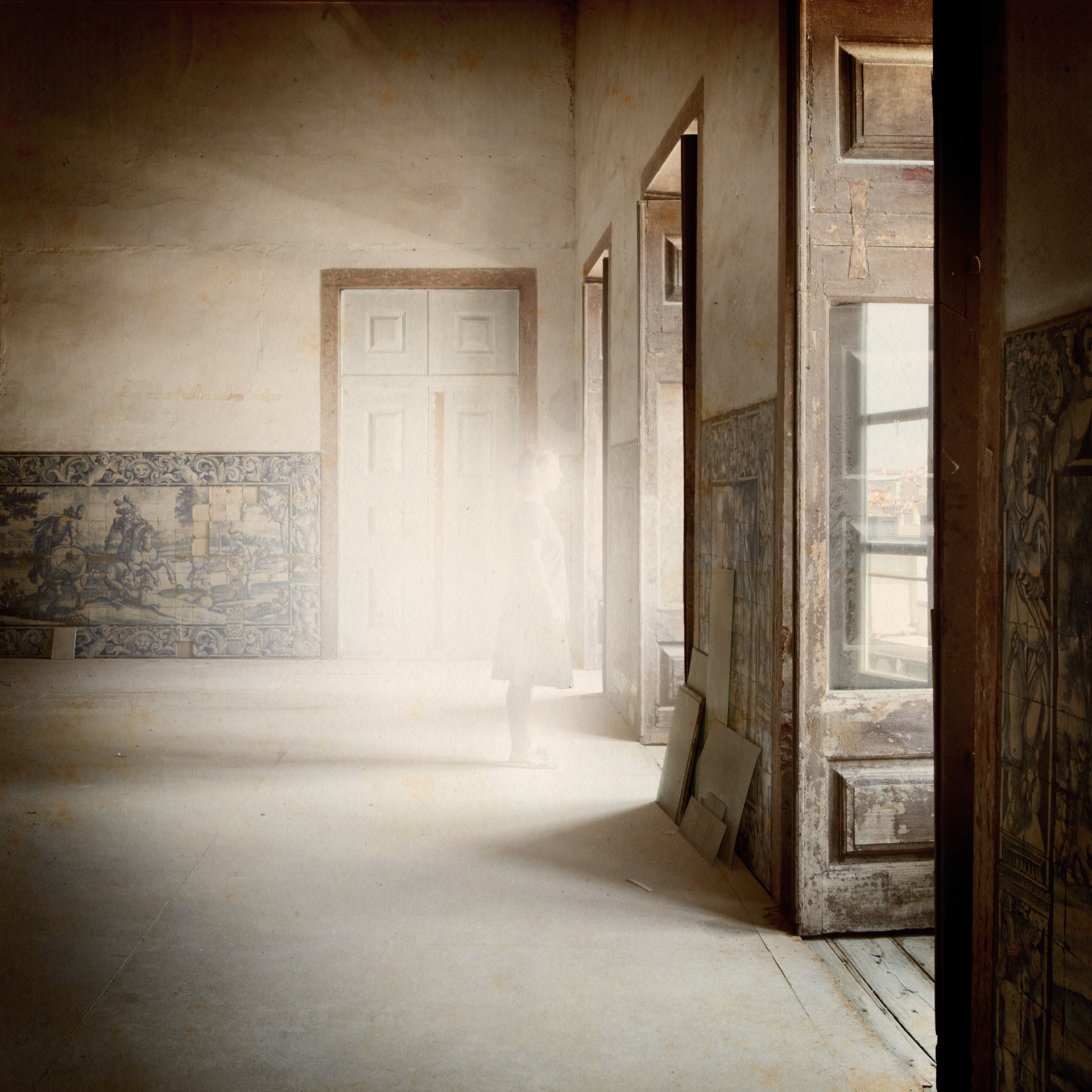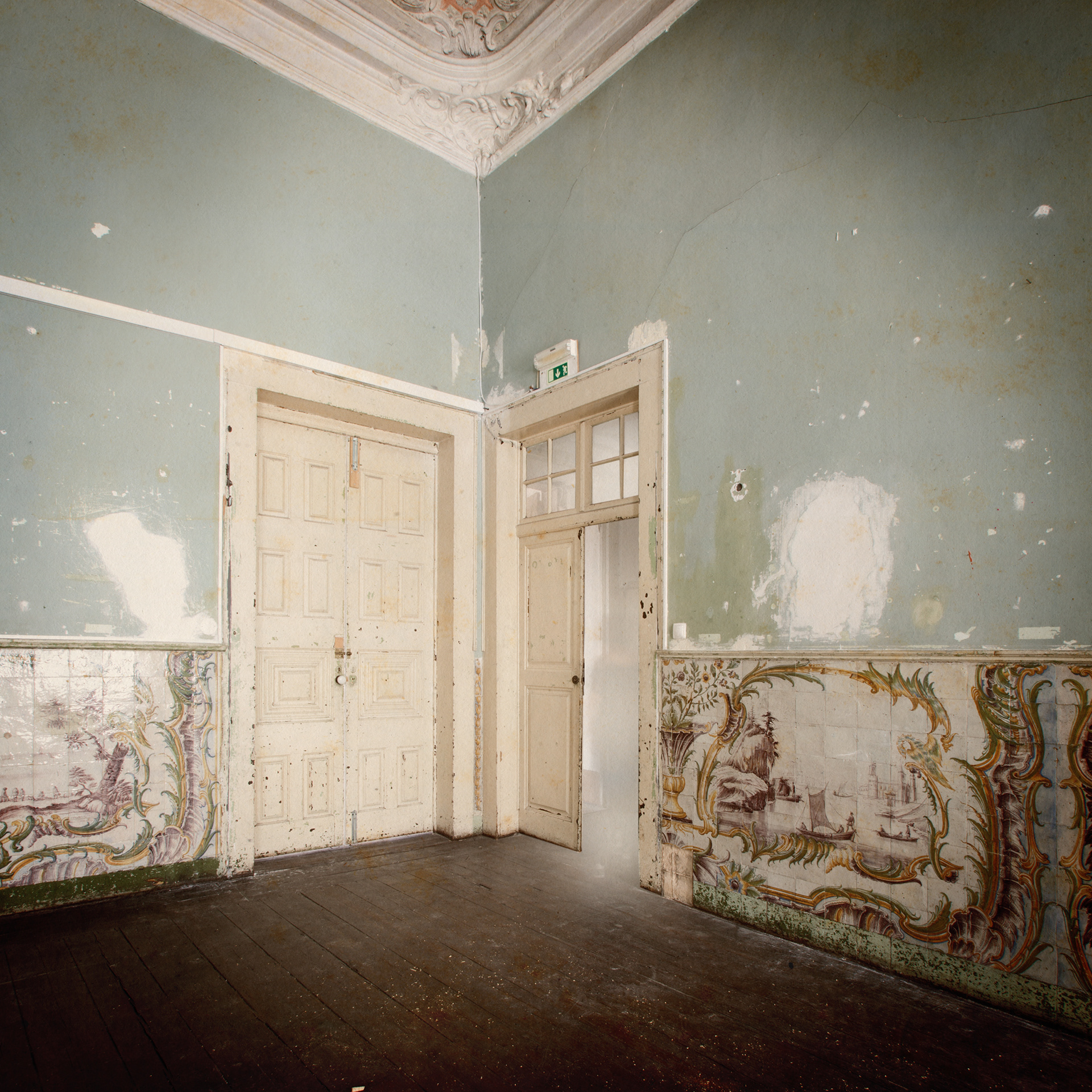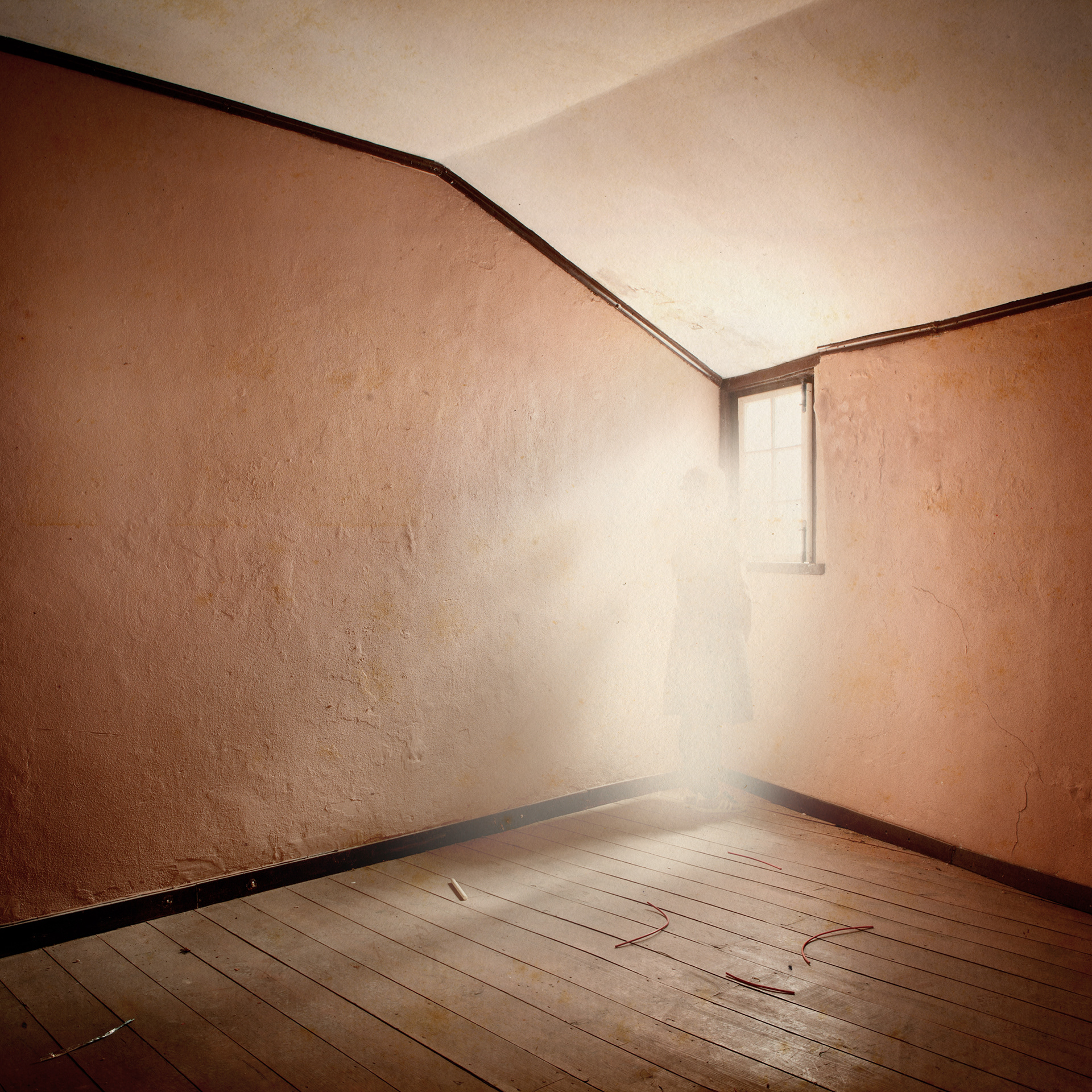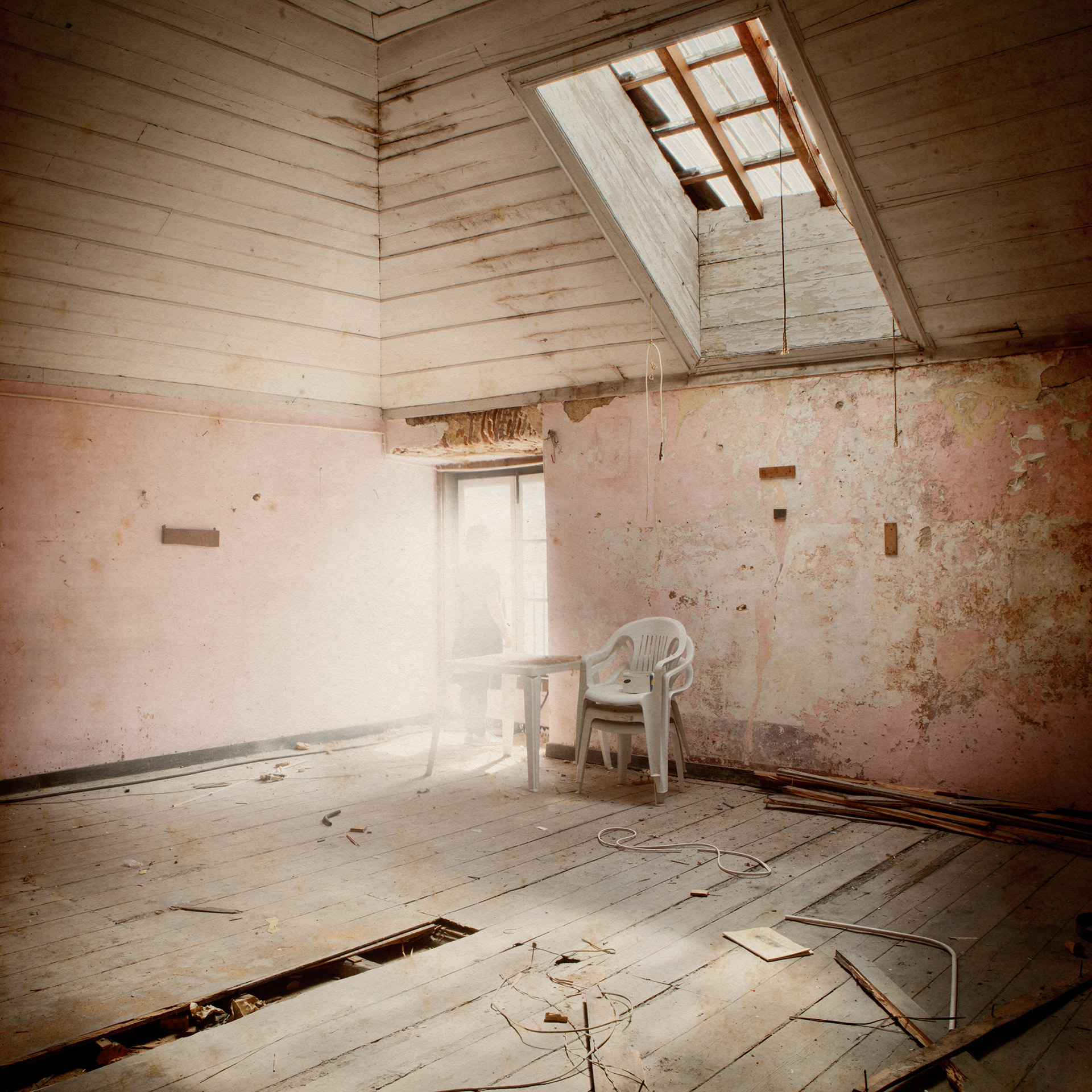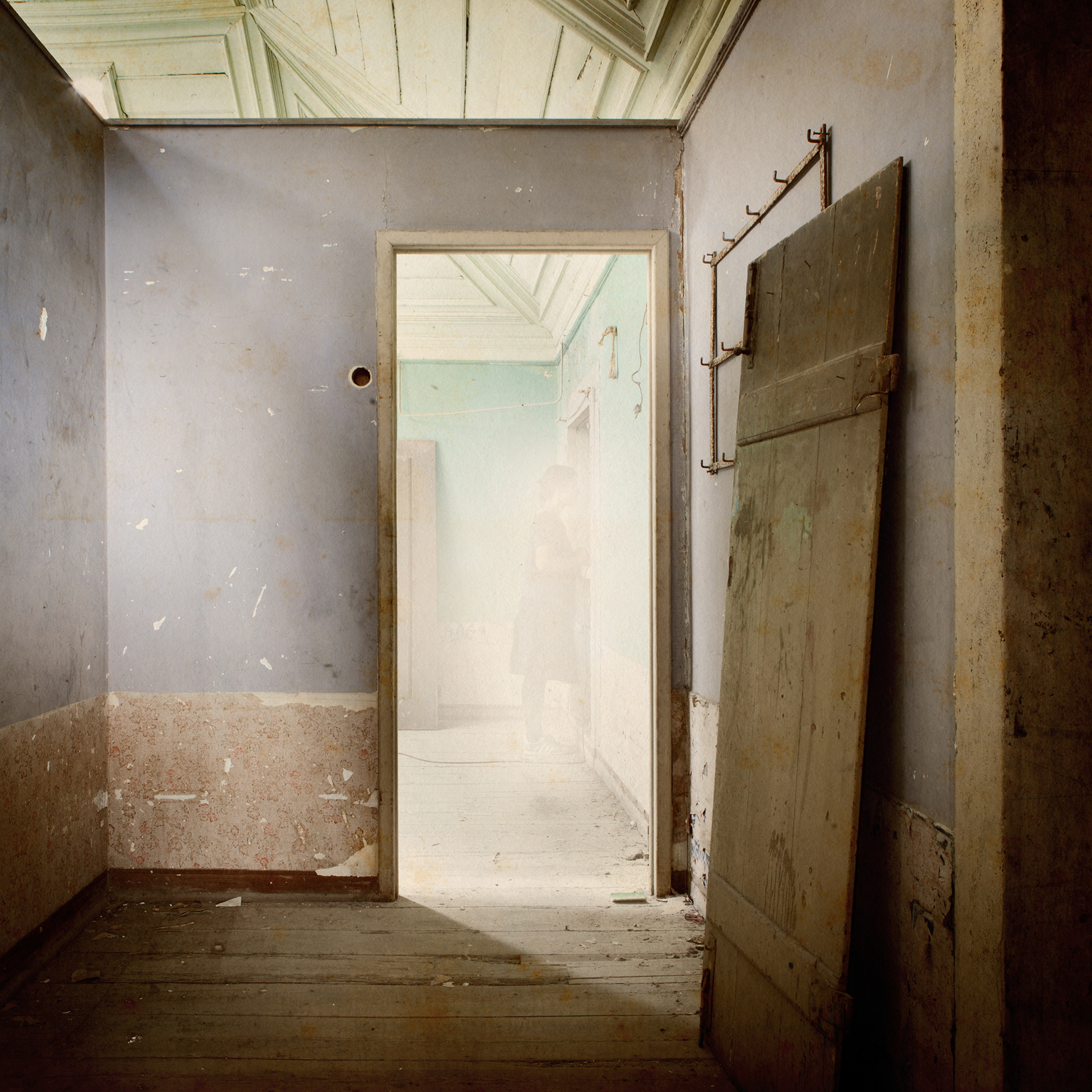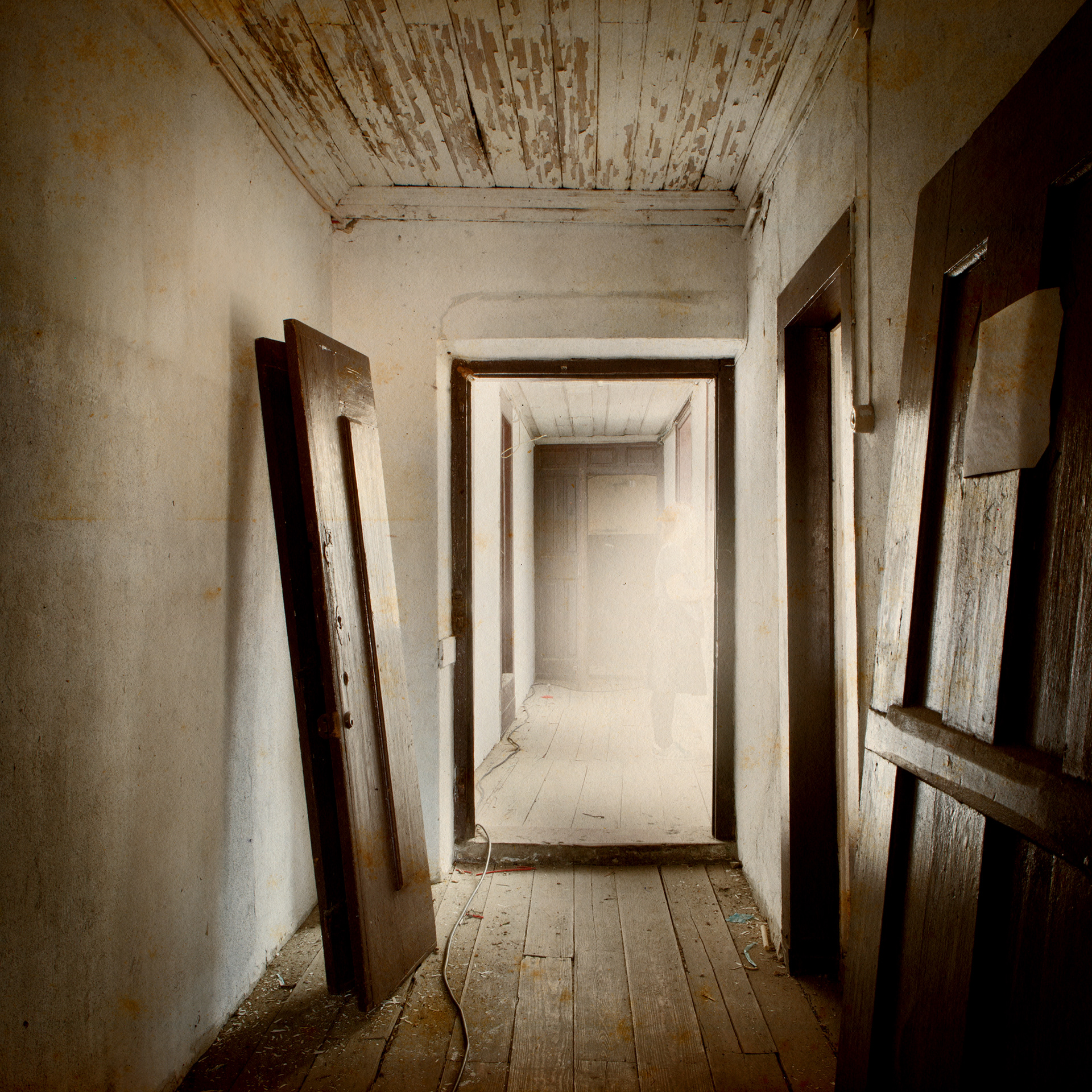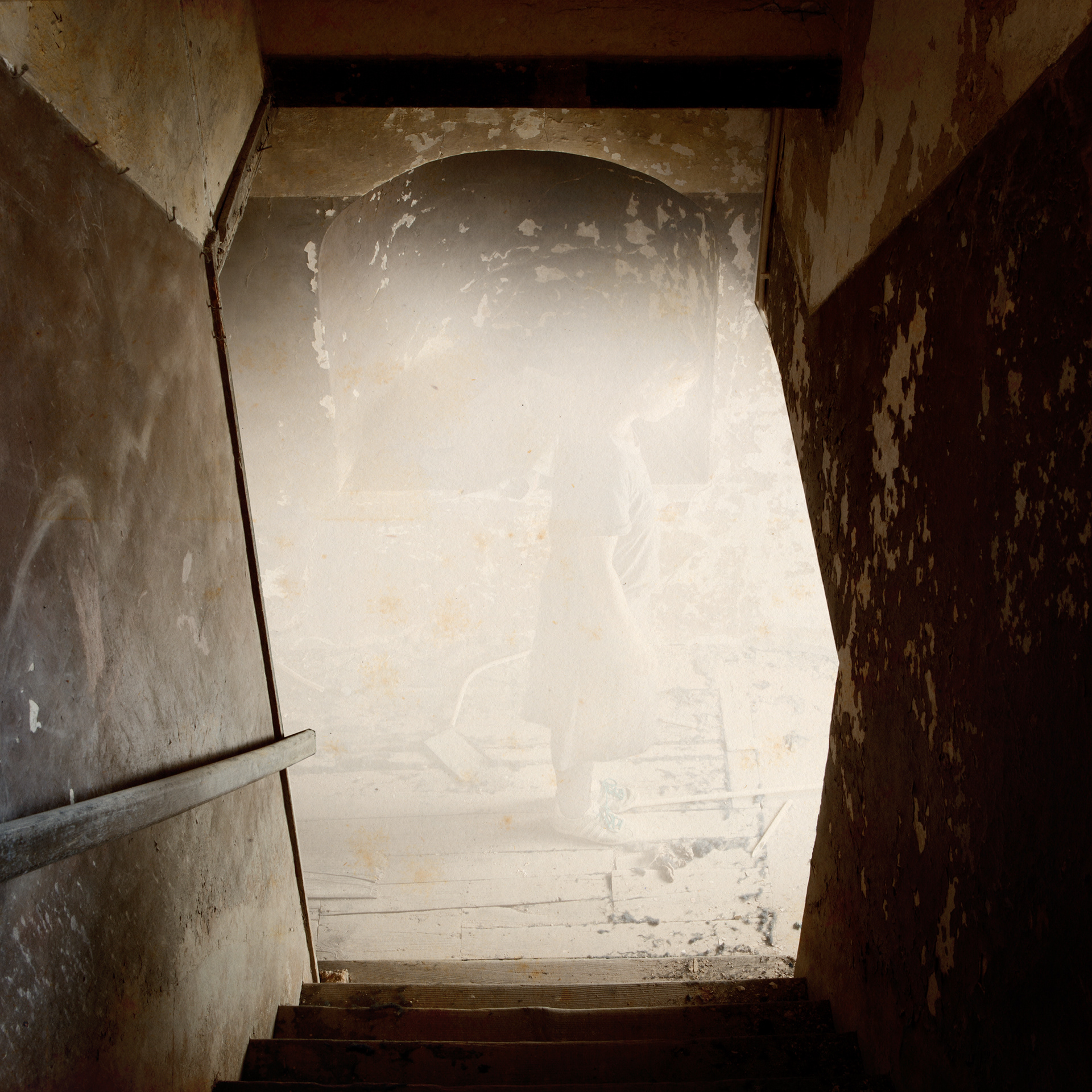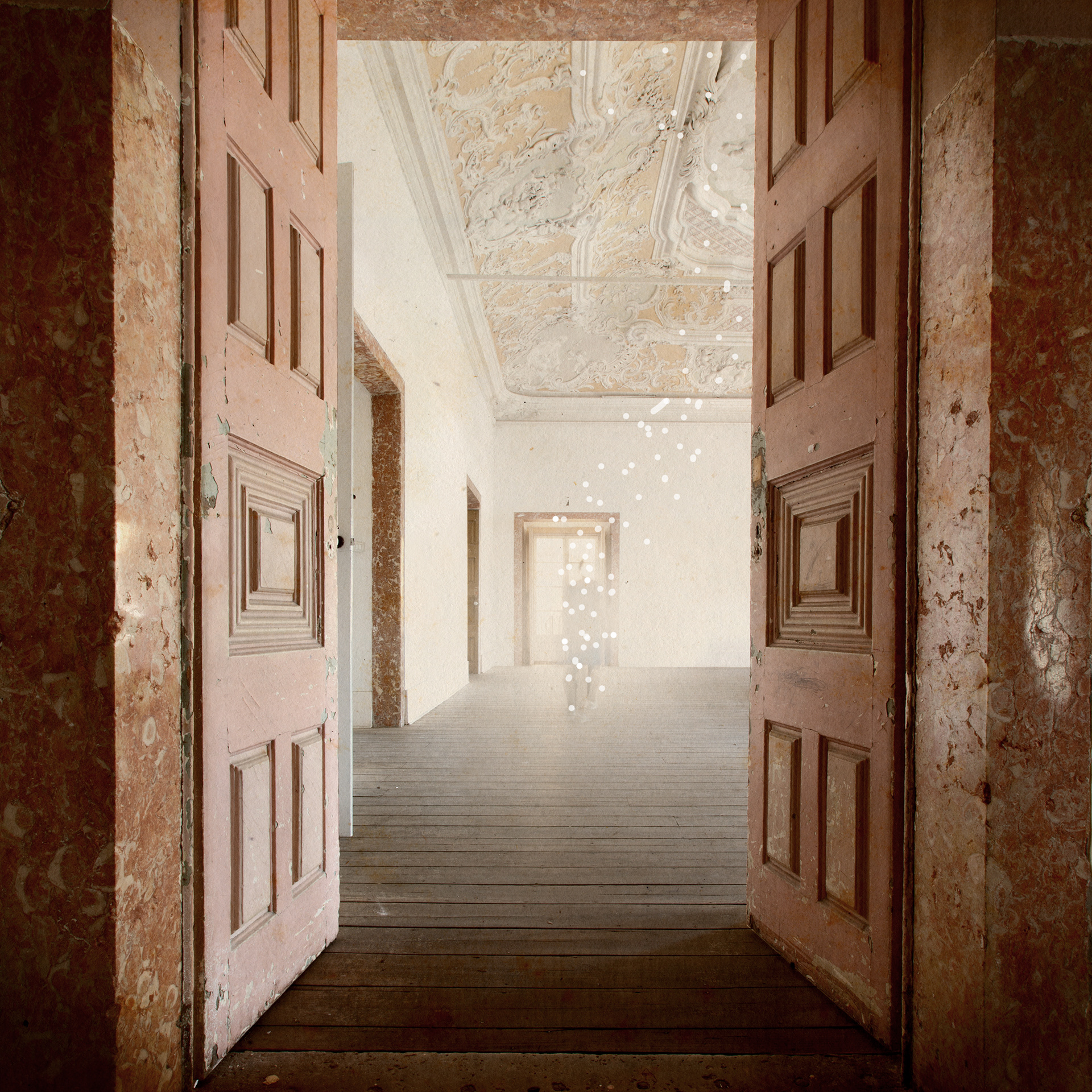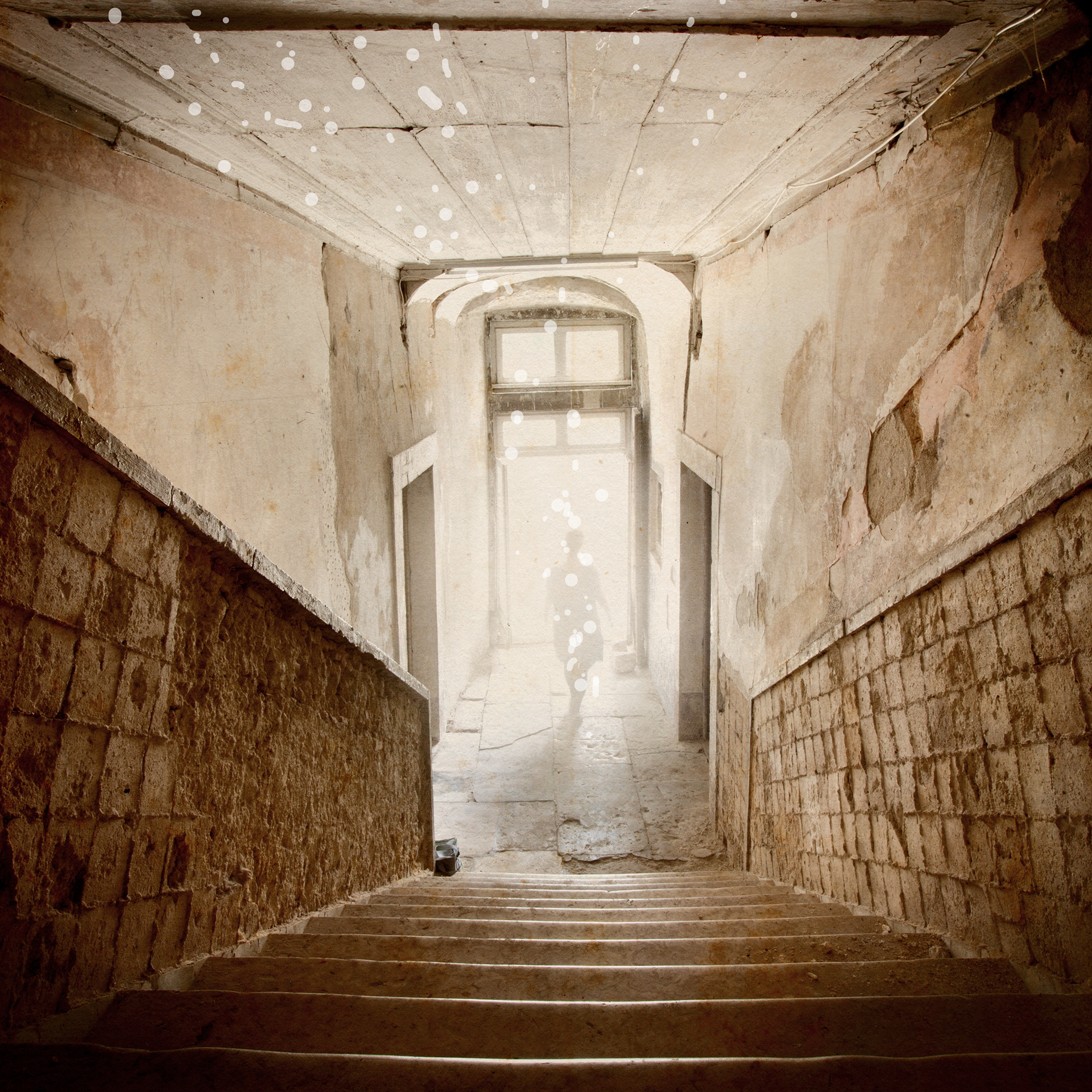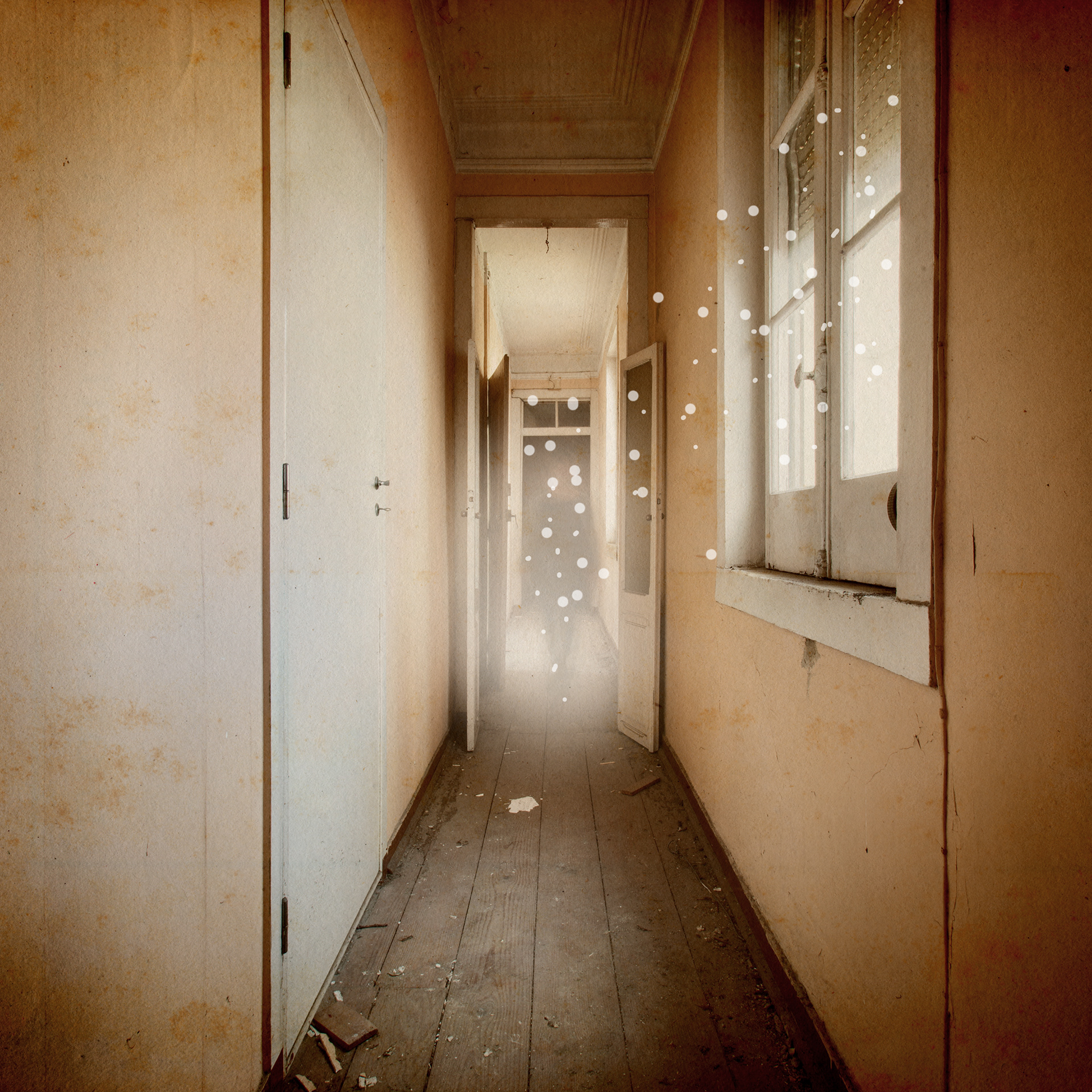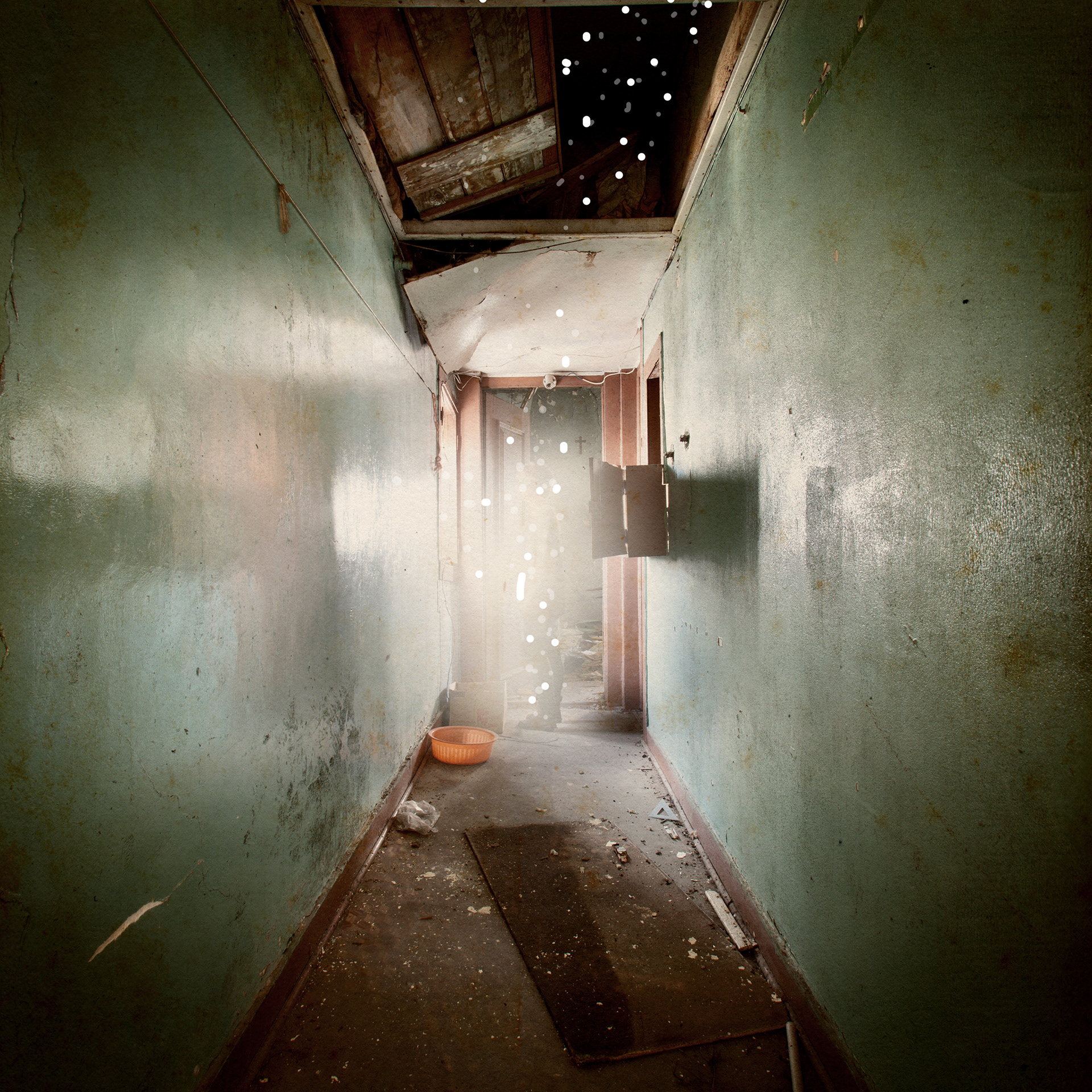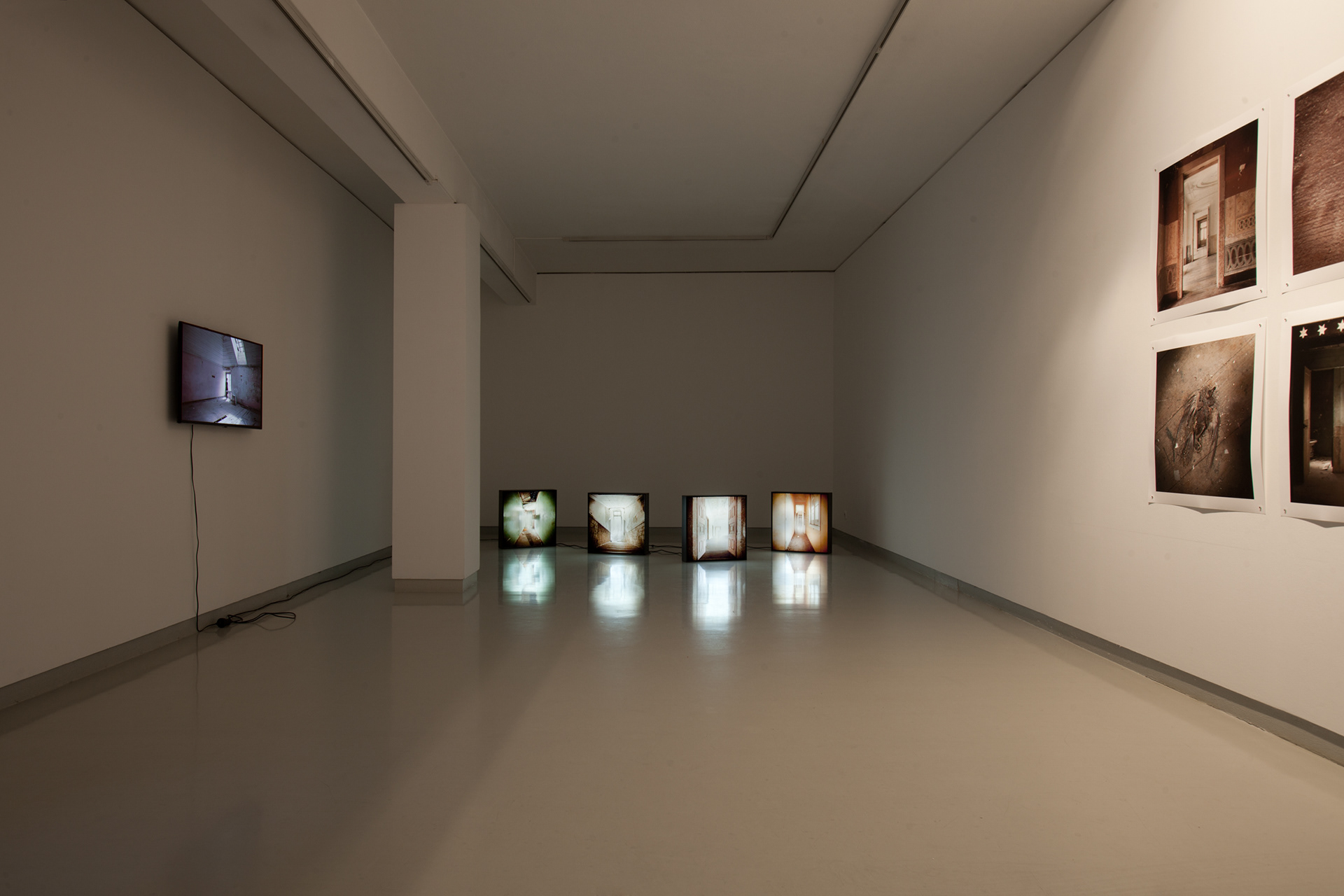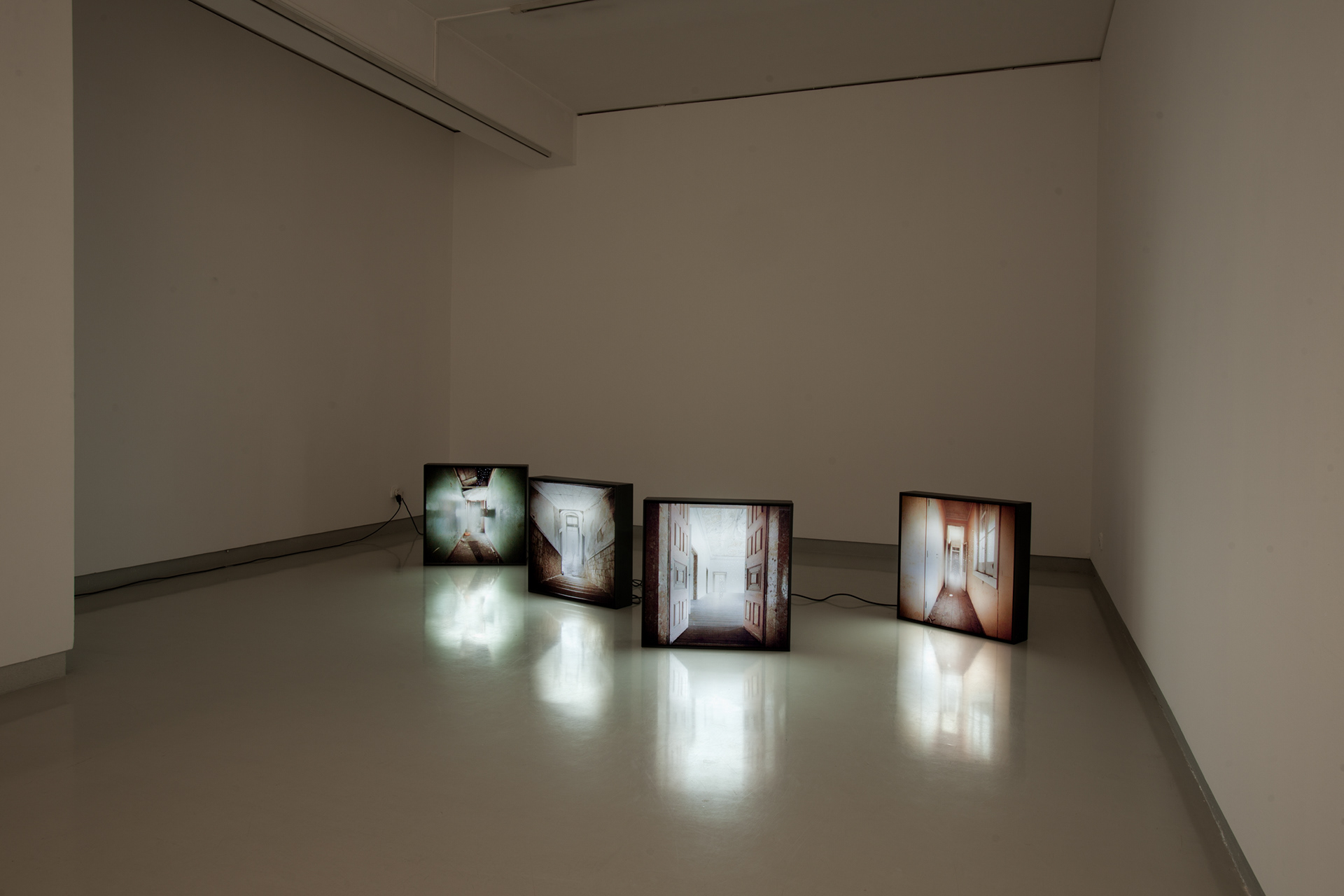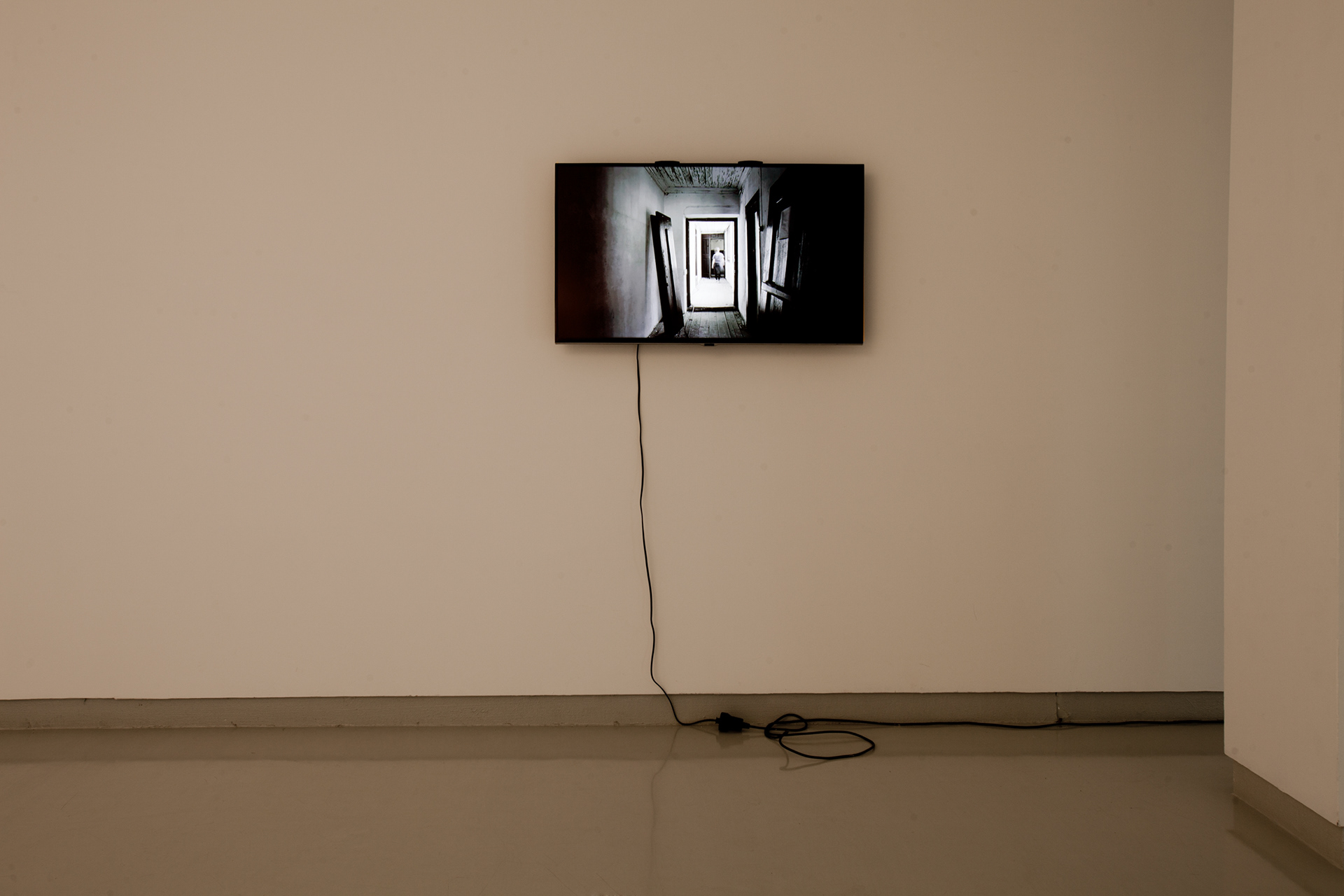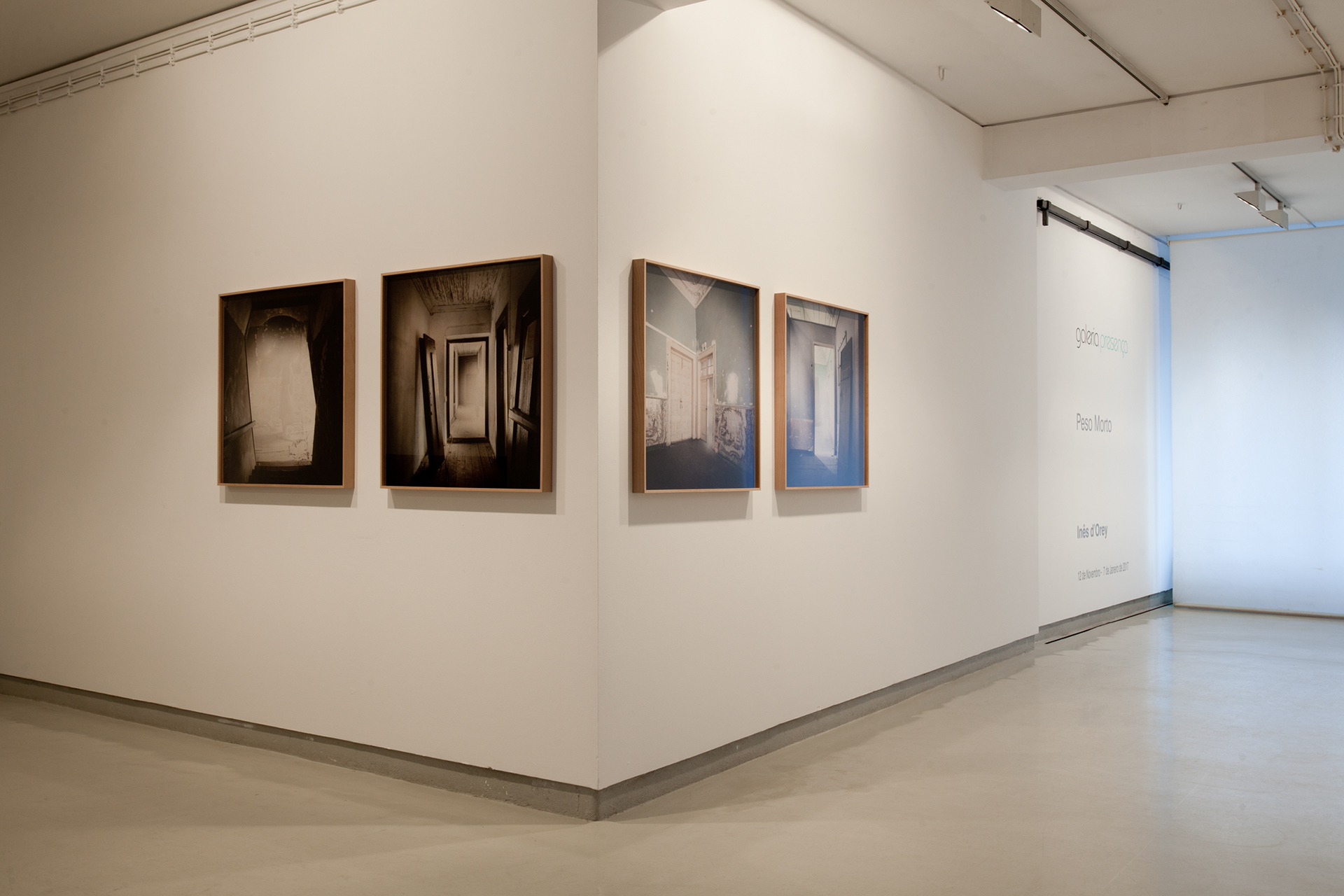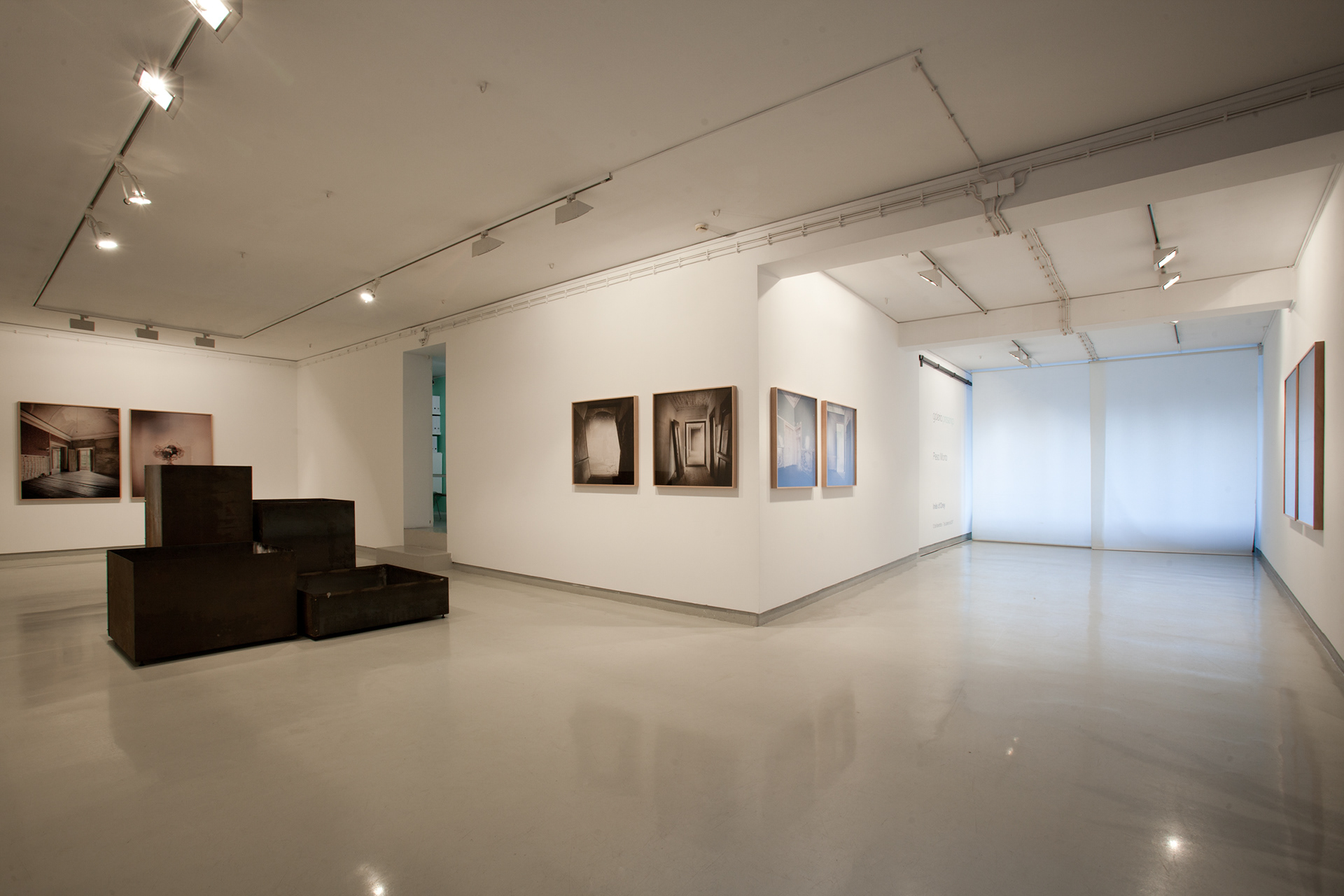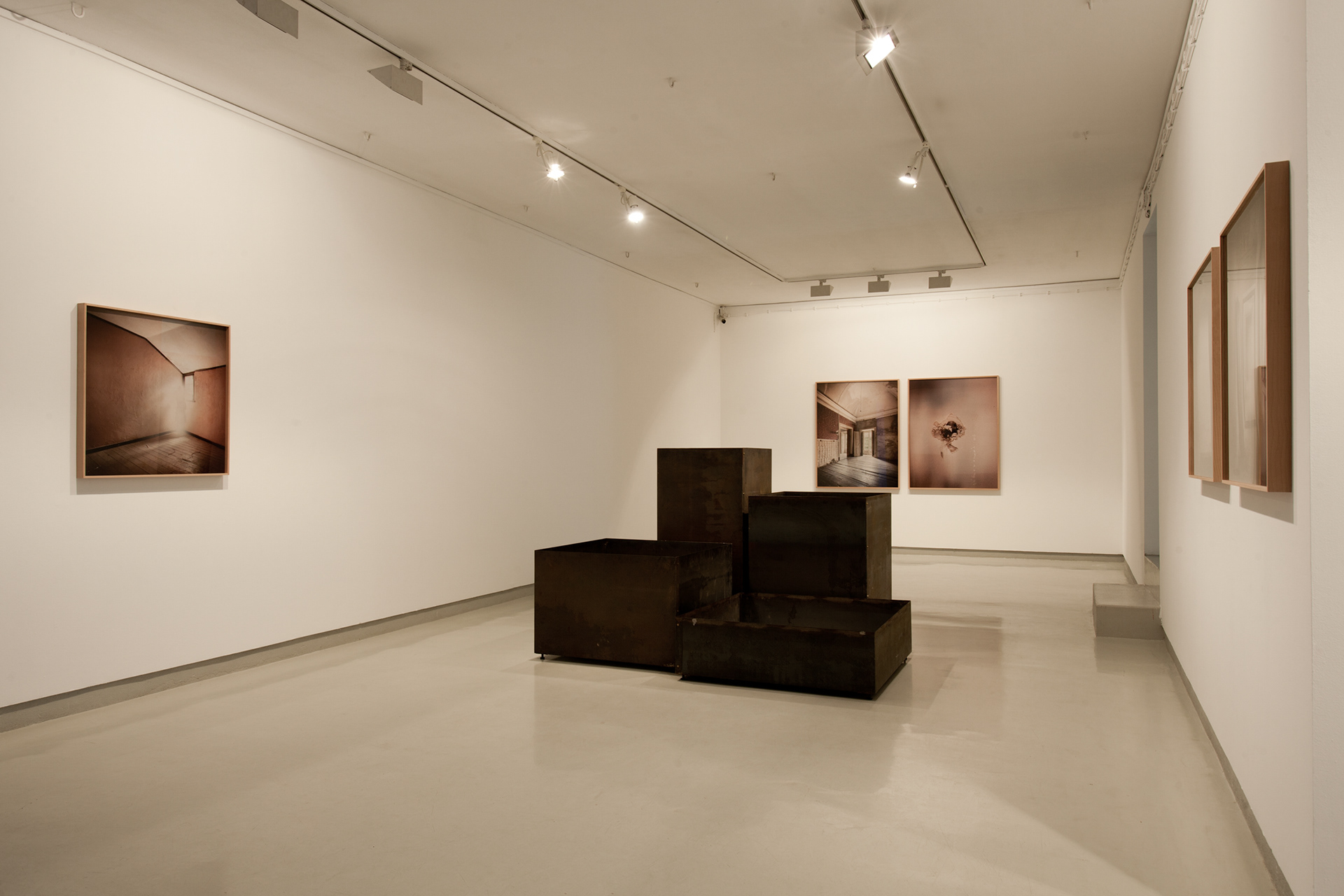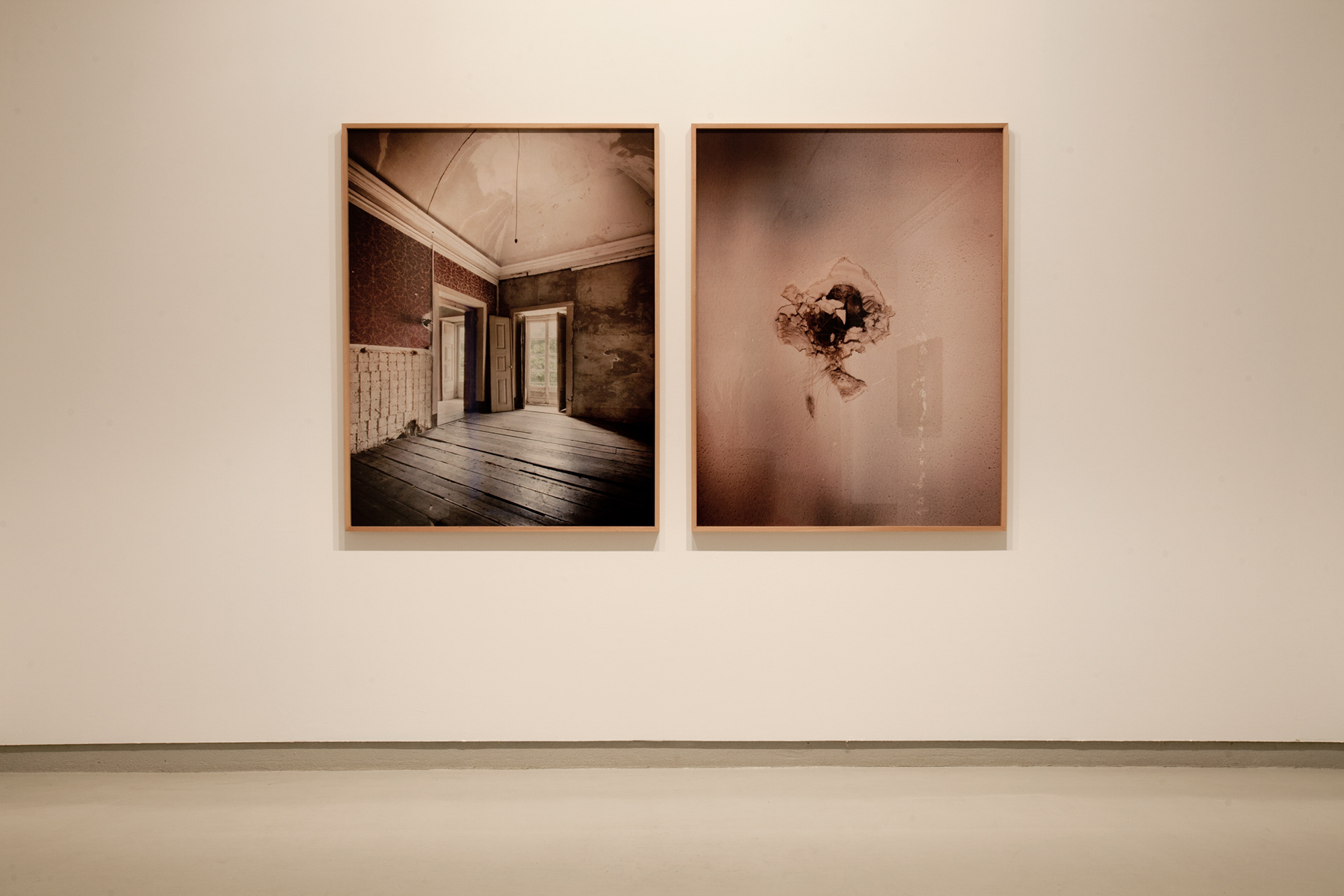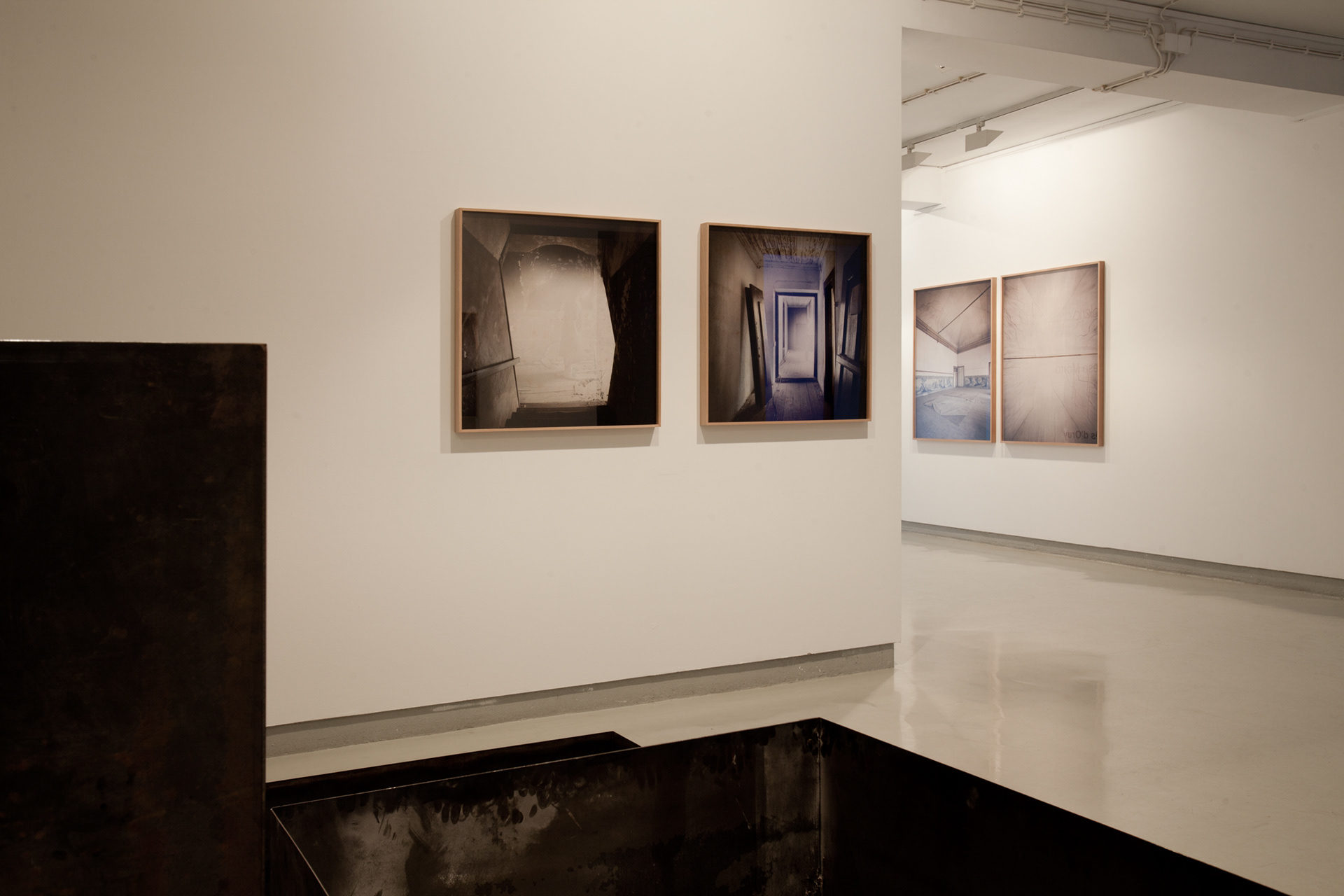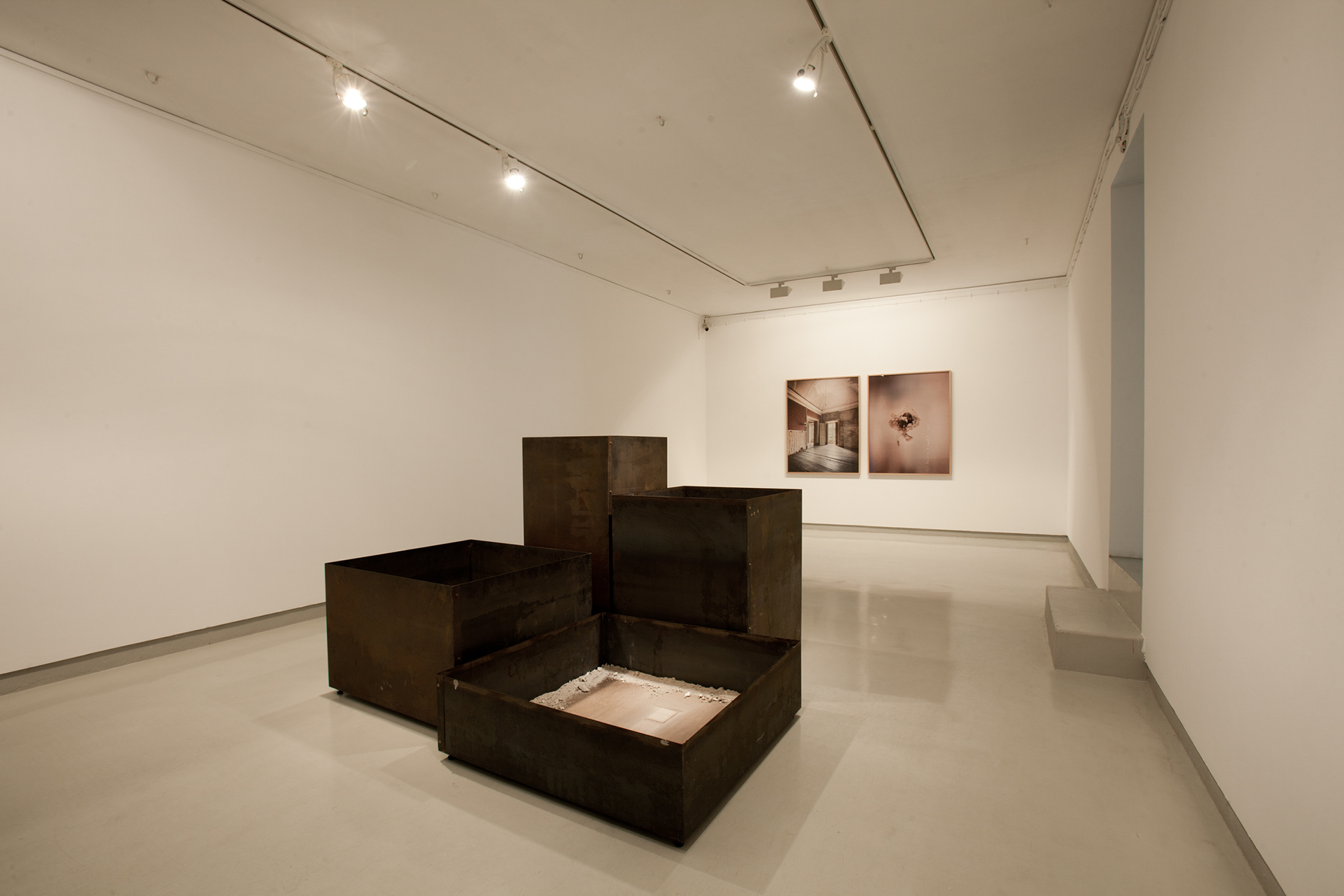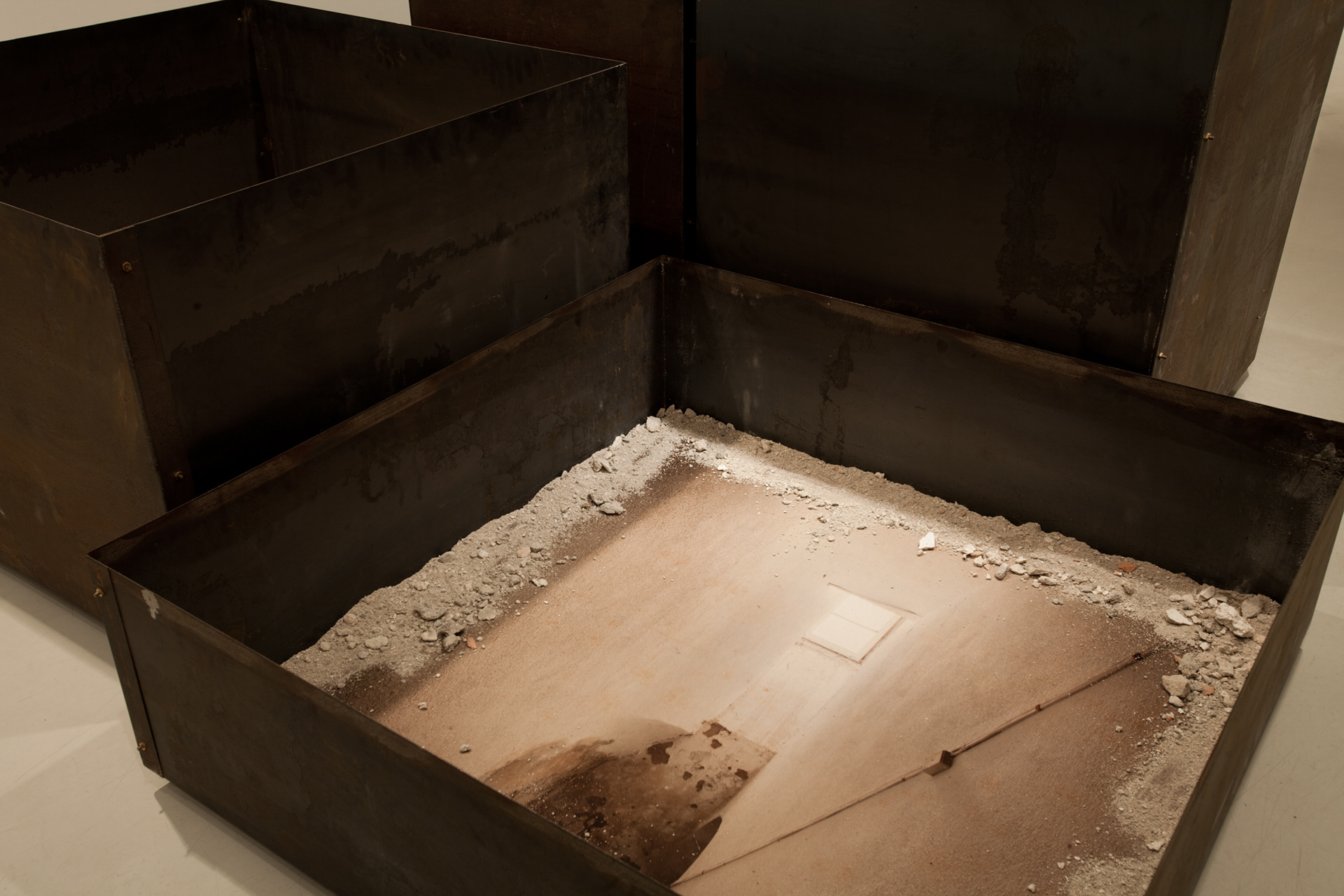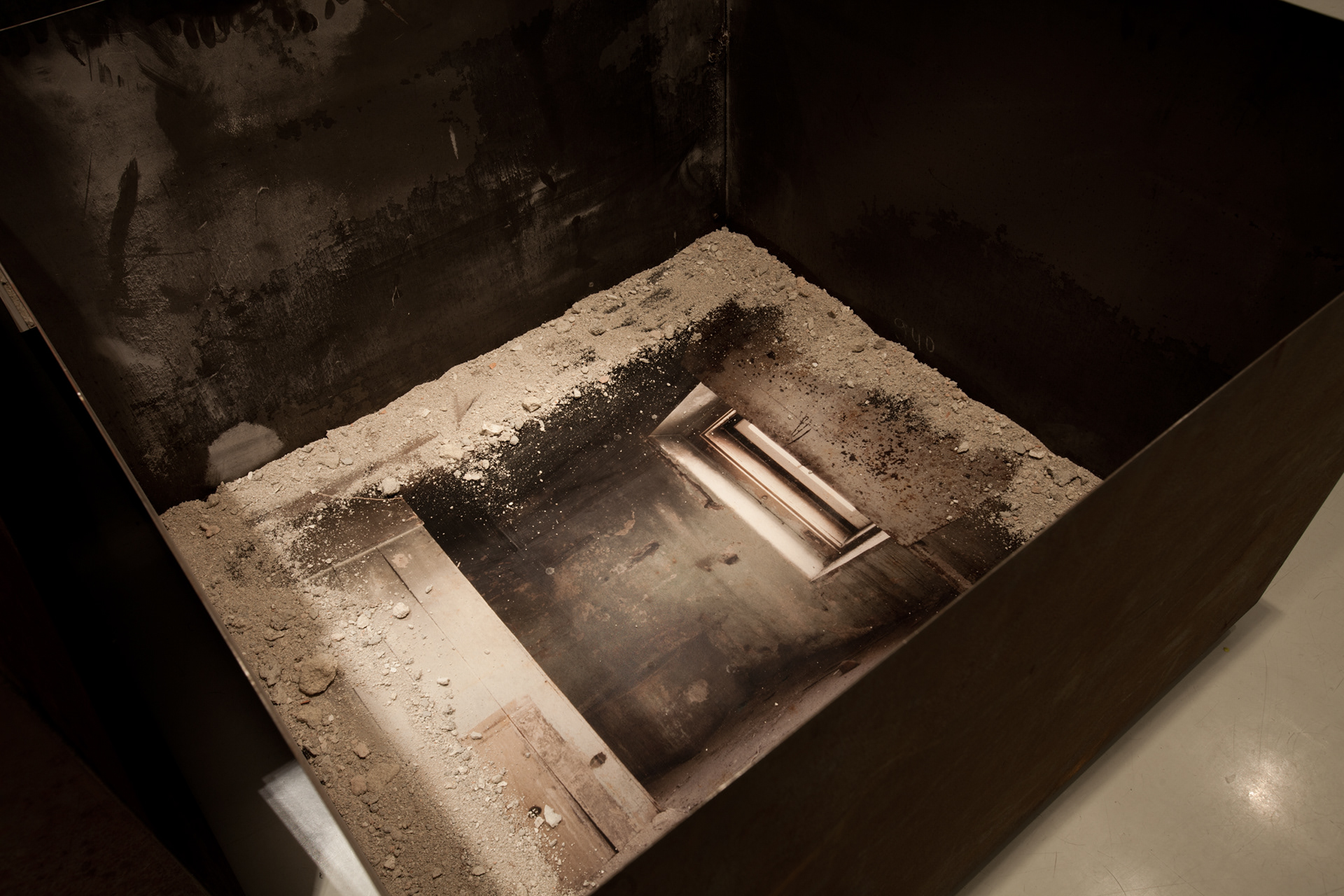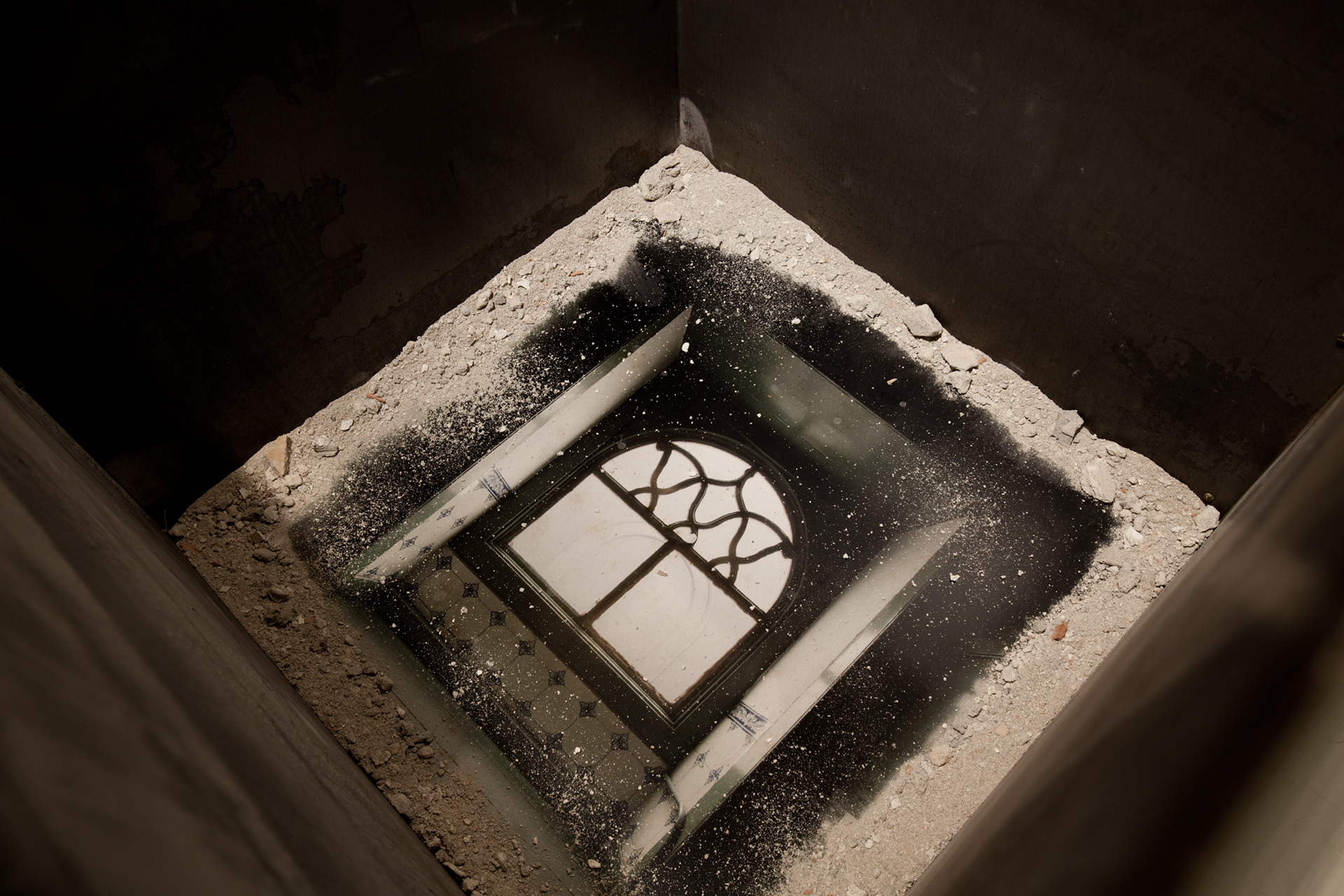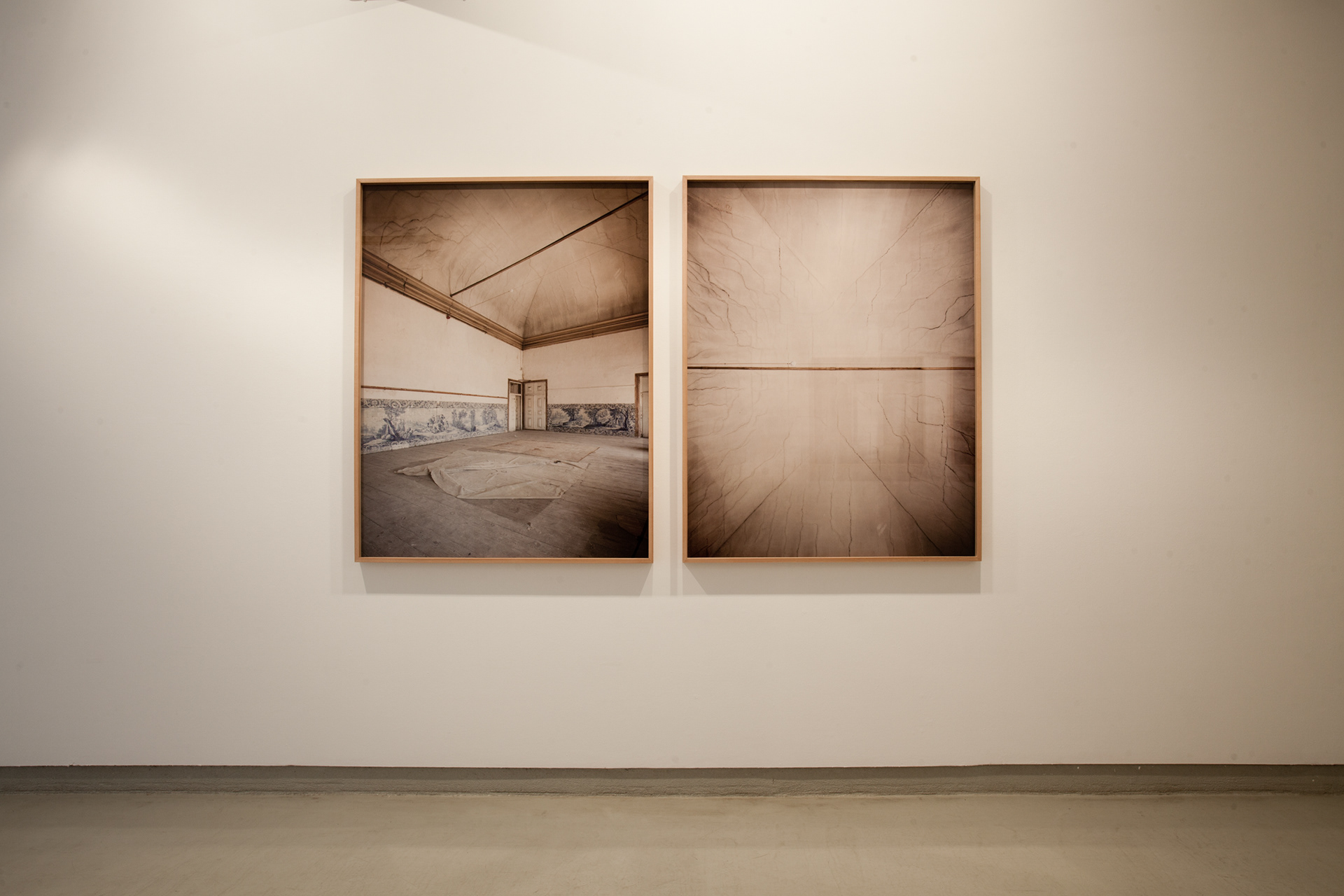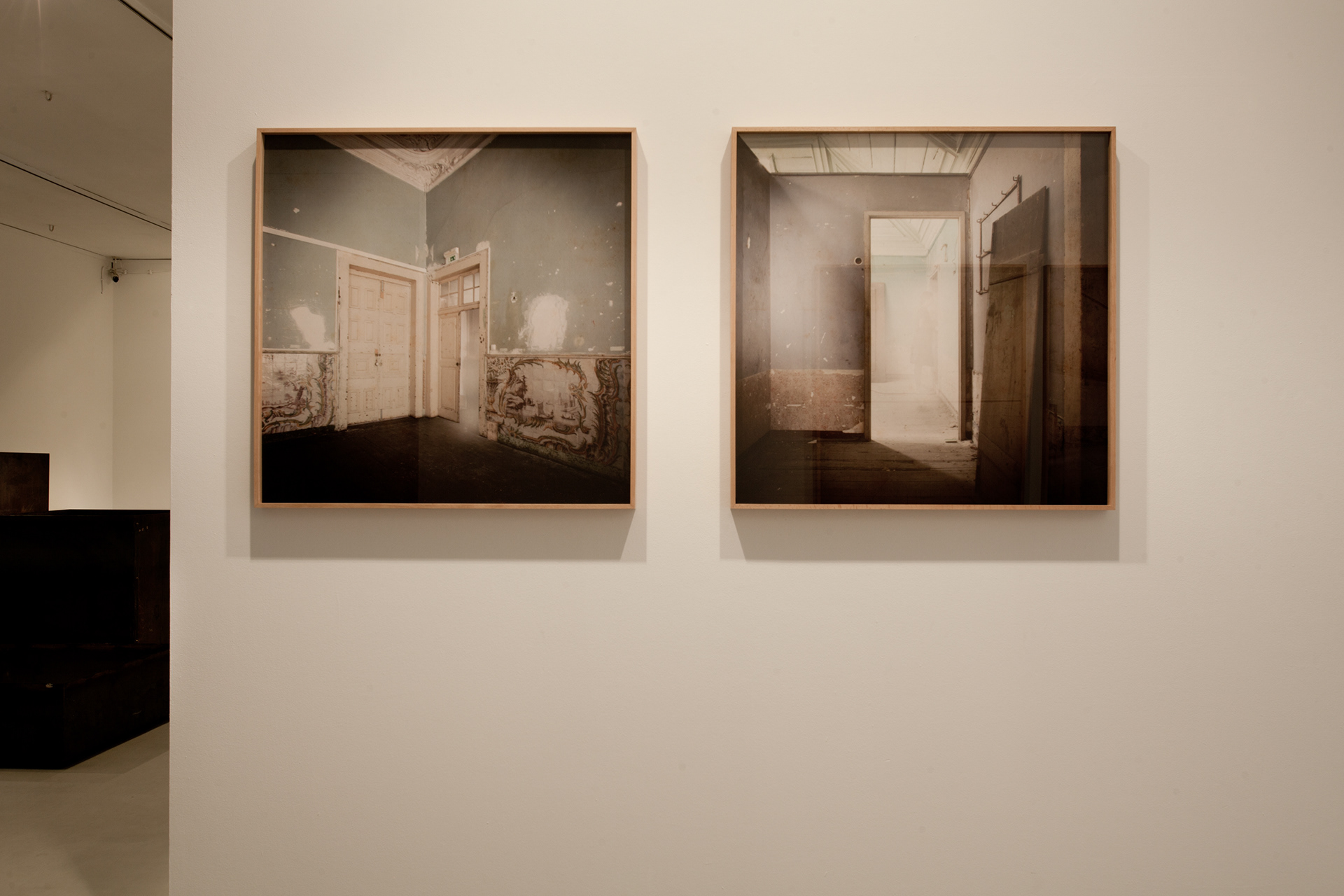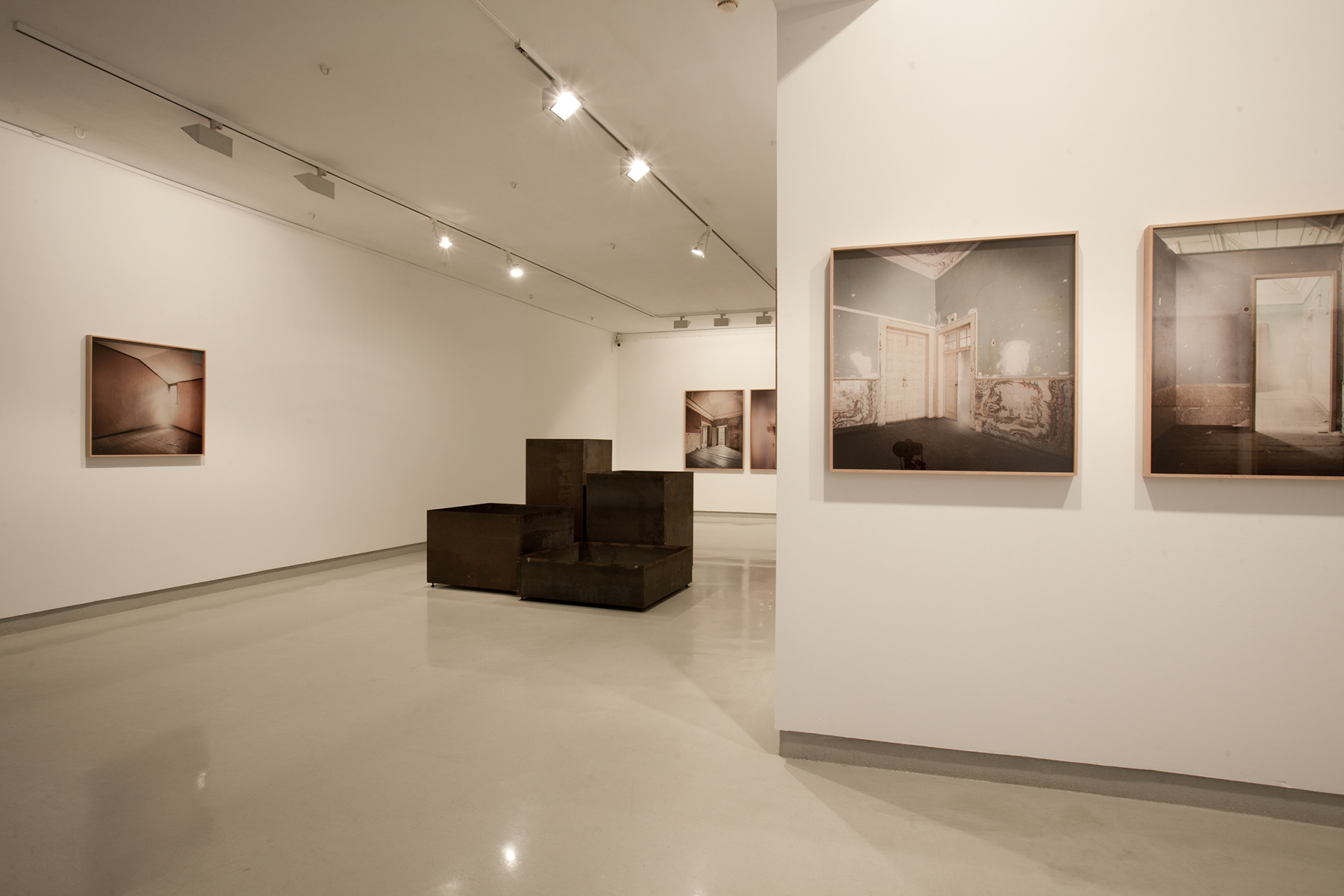
The Pombal Palace in Lisbon served as the starting point for the series, where Inês d'Orey undertook an artistic residency at Carpe Diem Arte & Pesquisa. At the time, the palace housing the cultural institution was for sale and would soon be required to relocate in order to continue its operations.
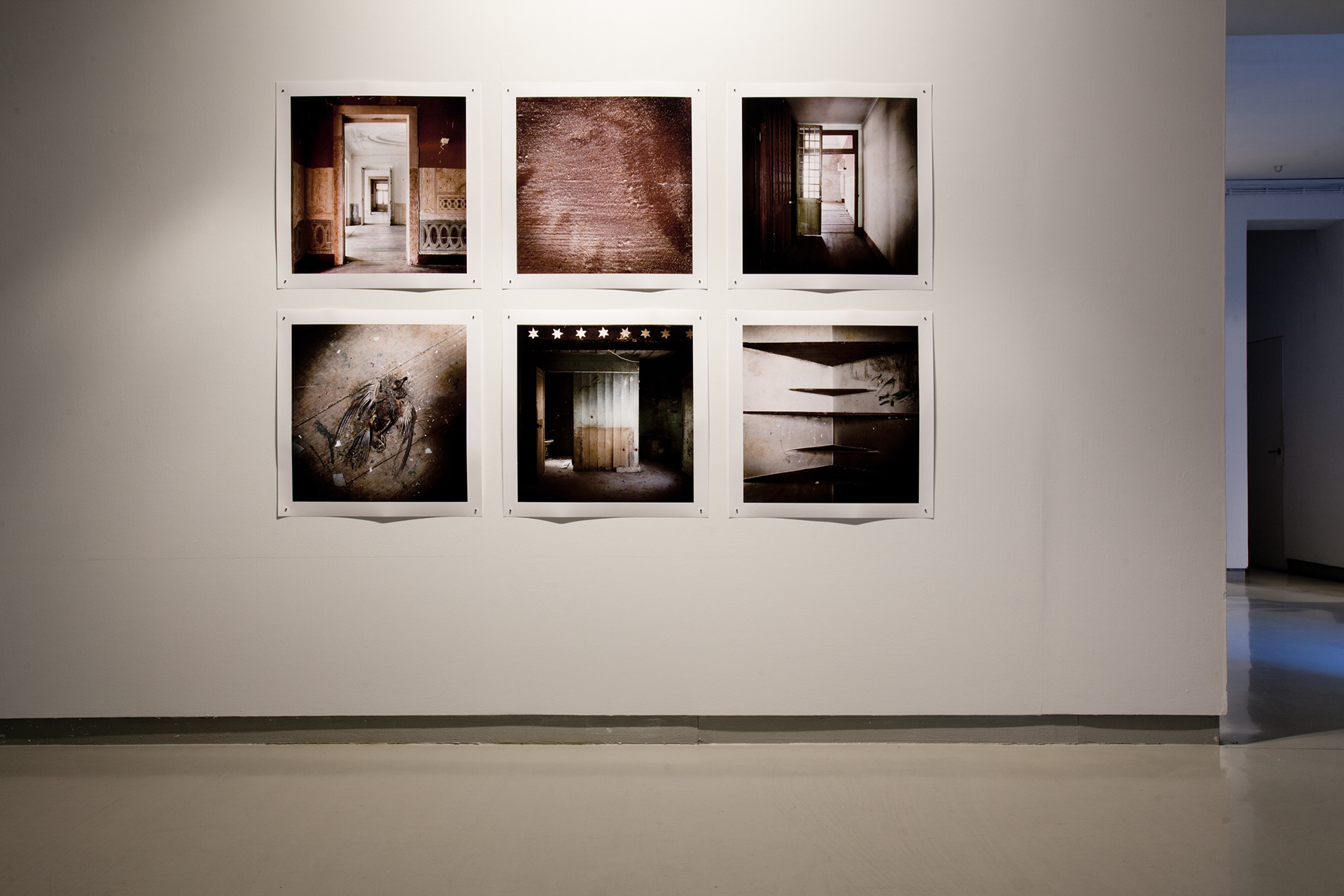
Many of the city’s palaces, owned by the municipality, were either for sale or had recently been sold, often repurposed into boutique hotels or buildings with similar commercial functions. This issue became the focal point of her installation at the conclusion of the residency. Following this, Inês extended her exploration to other vacant spaces within the palaces of Marquês de Tancos, Machadinho, and Marim-Olhão, all of which were public properties for sale at the time of her photography.
The title Peso Morto (Dead Weight) derives from a reference by architect Francisco Keil do Amaral in his book Lisbon, City in Transformation (1969), in which he describes the estates of the old aristocracy, whose social and economic decline rendered them a "dead weight" for their heirs, who could no longer afford their upkeep. Over time, the functions and identities of these palaces have evolved. Originally built to house wealthy families, many were sold to municipalities during the 20th century, repurposed into public offices, rented apartments, or cultural institutions.
Now, in the 21st century, these palaces are once again being sold to the private sector, often to be transformed into hotels, a trend seen globally.
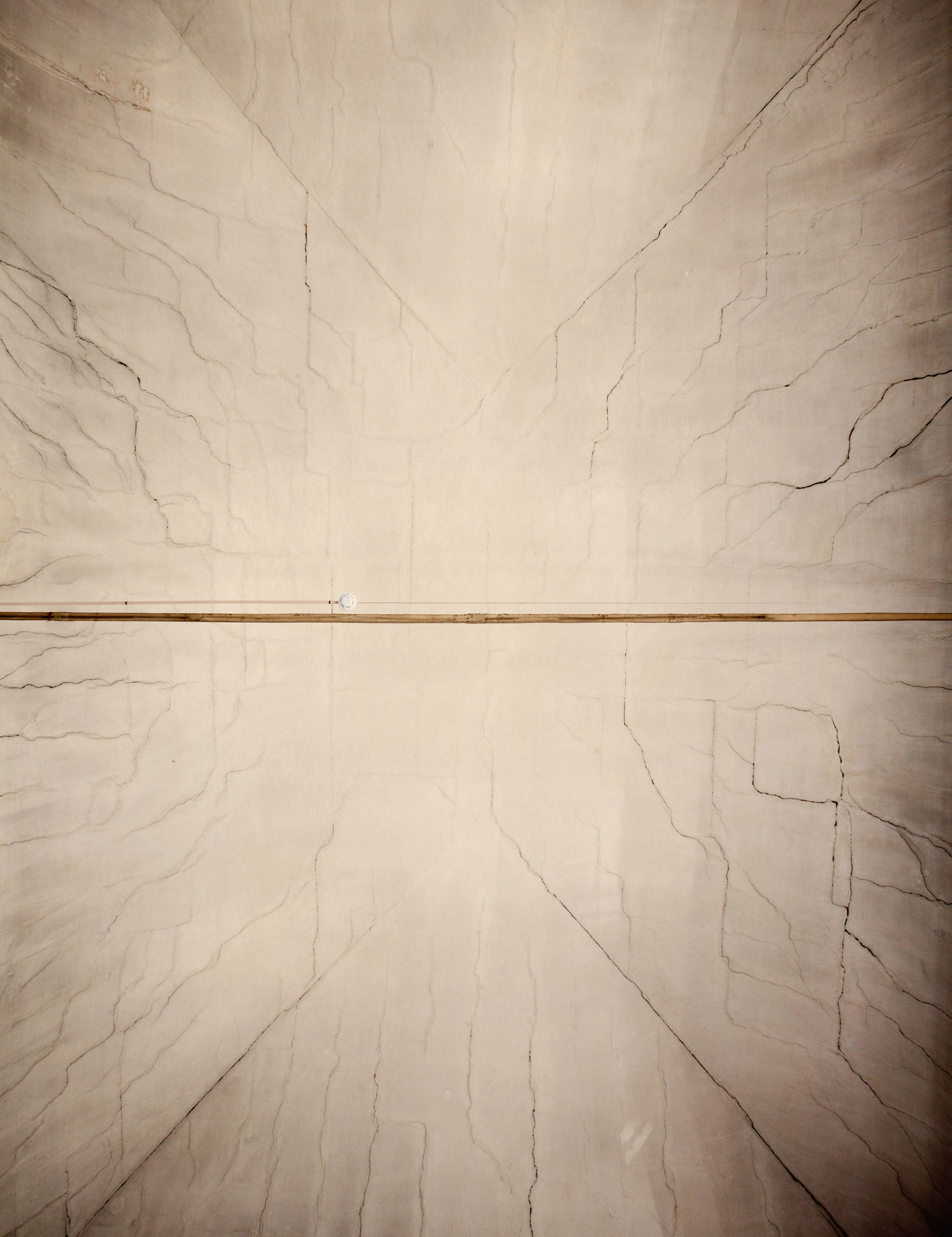
Peso Morto presents images that depict spaces inhabited by almost imperceptible presences, reflecting the changing uses and identities of these palaces over the centuries. The work occupies a space between fact and fiction, exploring new layers of perception regarding the inaccessible and invisible aspects of the contemporary city in flux.