
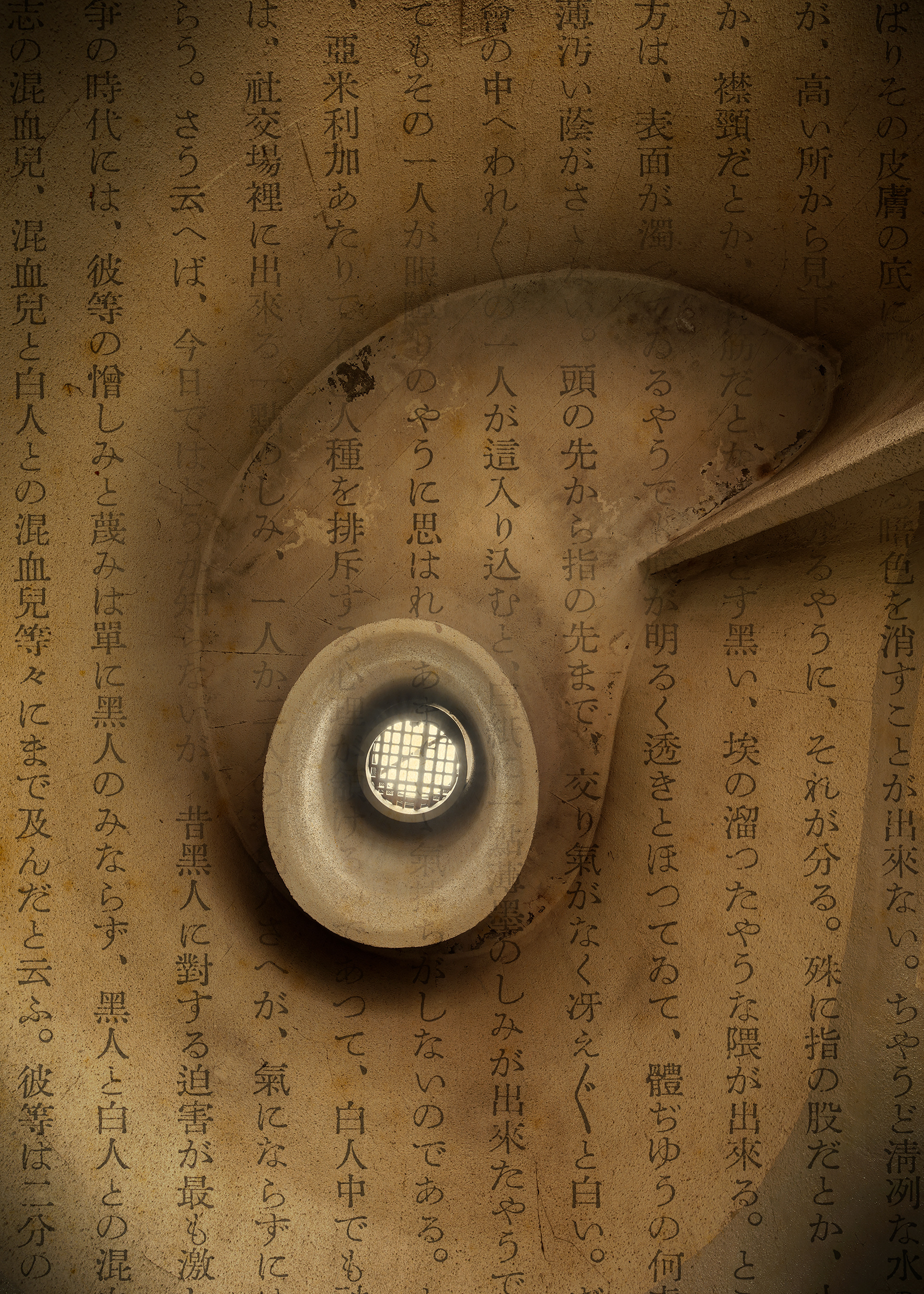
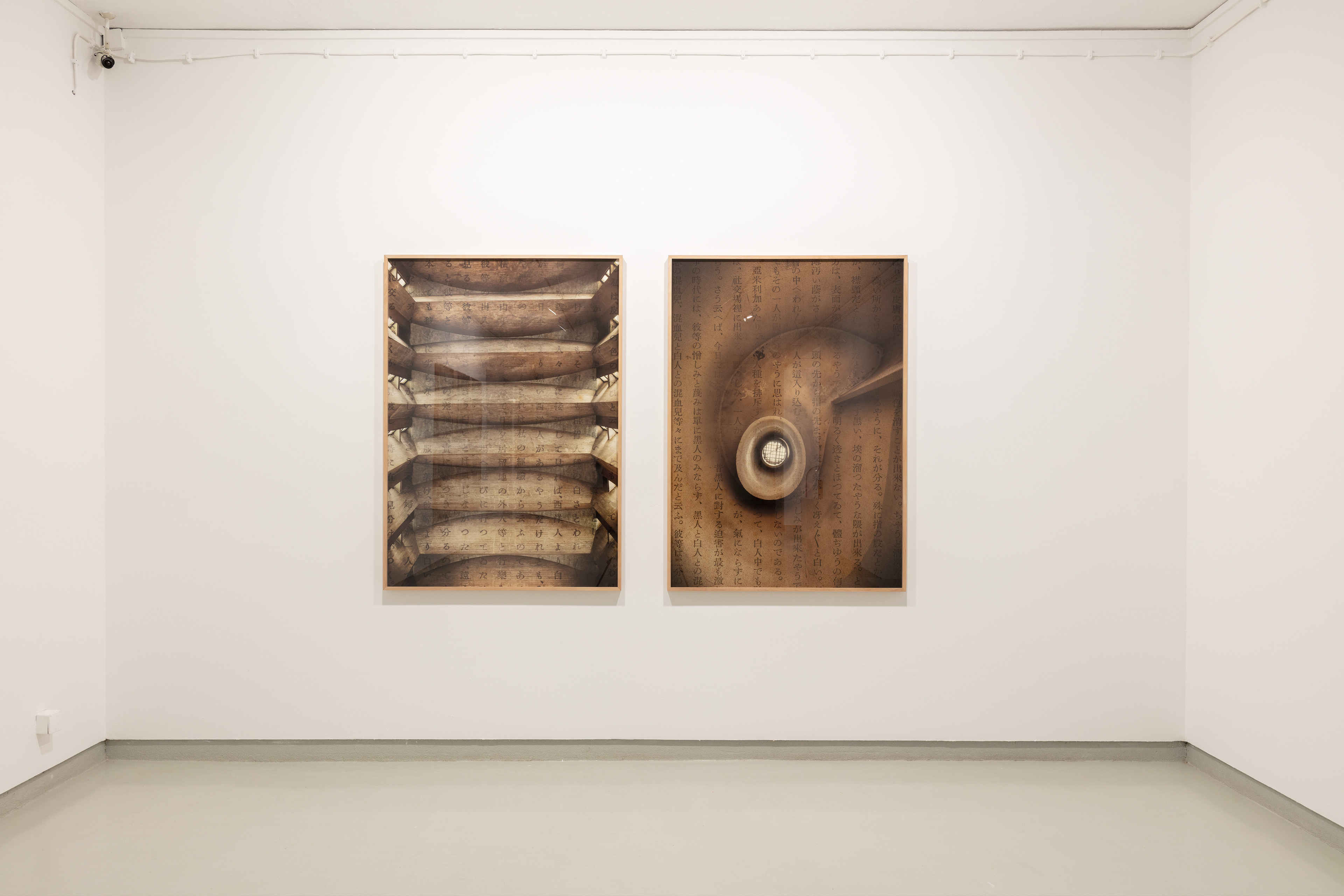
Japan Lutheran College Chapel. Designed by Togo Murano. 1969. Photographic Fine Art Print. 140x100cm. Beech frame with museum glass. Edition of 3.
Tokyo is a gigantic creature that sheds its skin as it stretches and grows. Most buildings in the city are demolished as soon as they are outdated or no longer needed, and new buildings spring up in their place, at a very fast pace. The residents of this mega metropolis believe that any house over 30 years is obsolete. The creature doesn’t only shed its skin. It changes its flesh. And also its bones.
Inês d'Orey's work in the last years has been dealing mainly with the reinterpretation of interior urban space, exploring the transformation of the identity of the historical heritage in the contemporary city.
This new series, Do Not Sit Down, focuses on the Japanese relationship with the country's architectural legacy, specifically on Tokyo's 1930’s to 70’s interior space of preserved buildings. If Western tradition aspires to permanence, Japanese architecture focuses on flexibility, altering or destroying most of its buildings. The unstable environment created by special circumstances throughout Japan’s history (earthquakes, tsunamis, bombings, nuclear attacks and a rapidly updating technology), led to a culture that accepts cycles of destruction and renewal as a natural part of life.
Informed by Junichiro Tanizaki's world of shadows, patina and minimalism (In Praise of Shadows, 1933), Inês d'Orey investigates improbable realms in Tokyo, different ways of envisioning and feeling space. Museum pieces that cannot be touched. Where nobody can sit. Do not sit down, please.
Photography, video and installation.
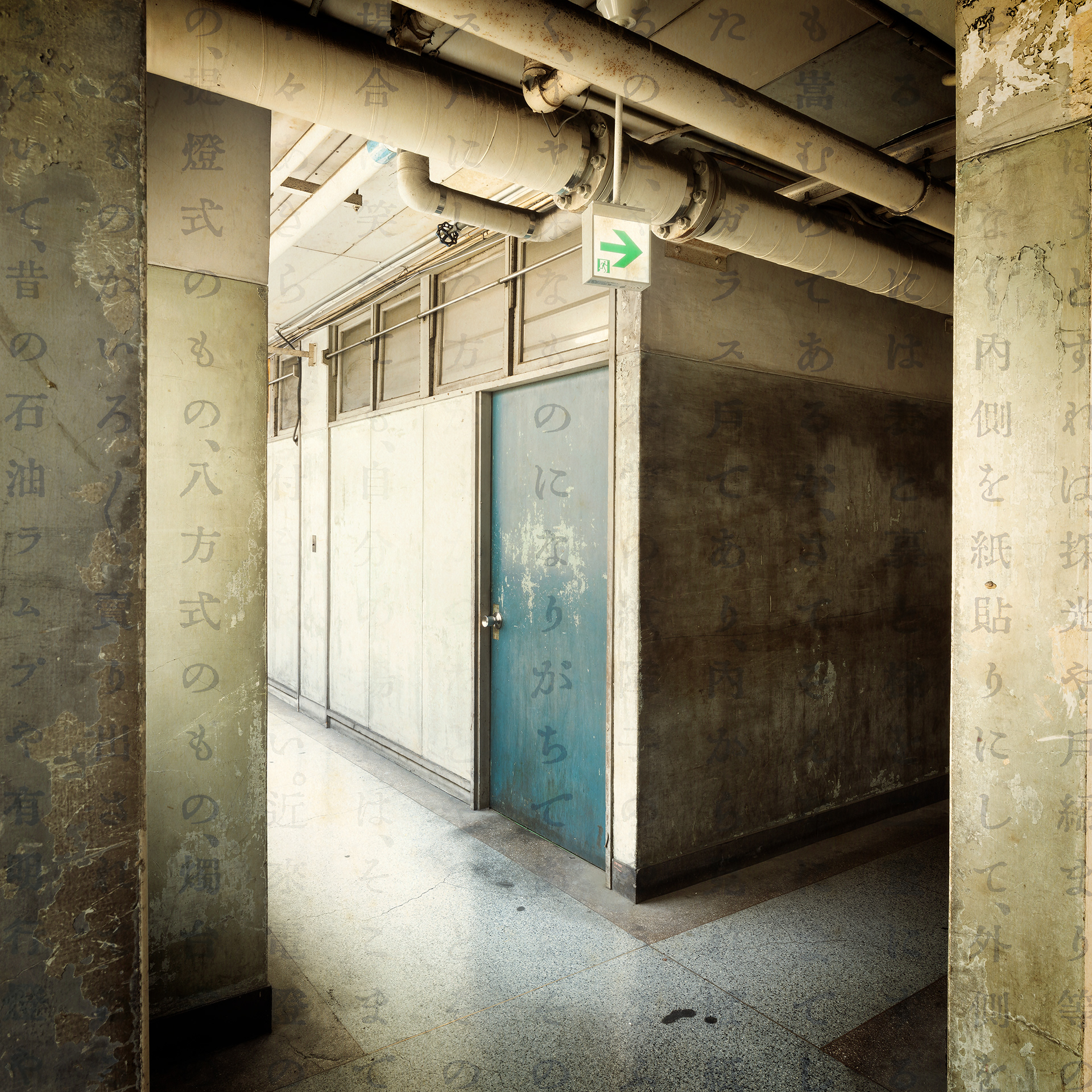
Tsukiji fish market. Designed by architects and engineers from the Architectural Section of Tokyo Municipal Government. 1935. Photographic Fine Art Print. 80x80cm. Beech frame with museum glass. Edition of 3.
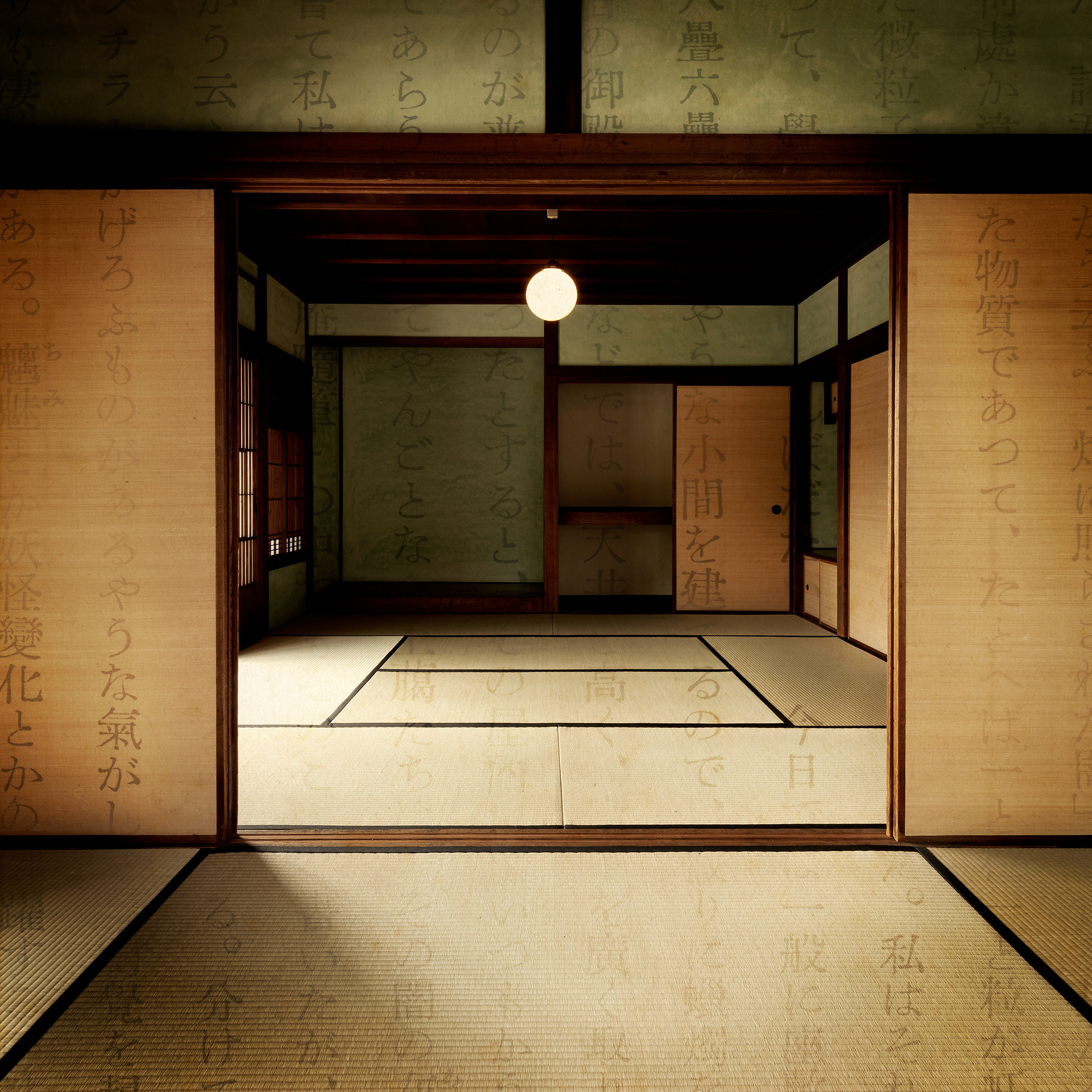
House of Koide. Designed by Sutemi Horiguchi. Transplanted House from Nishikata. 1925. Photographic Fine Art Print. 80x80cm. Beech frame with museum glass. Edition of 3.
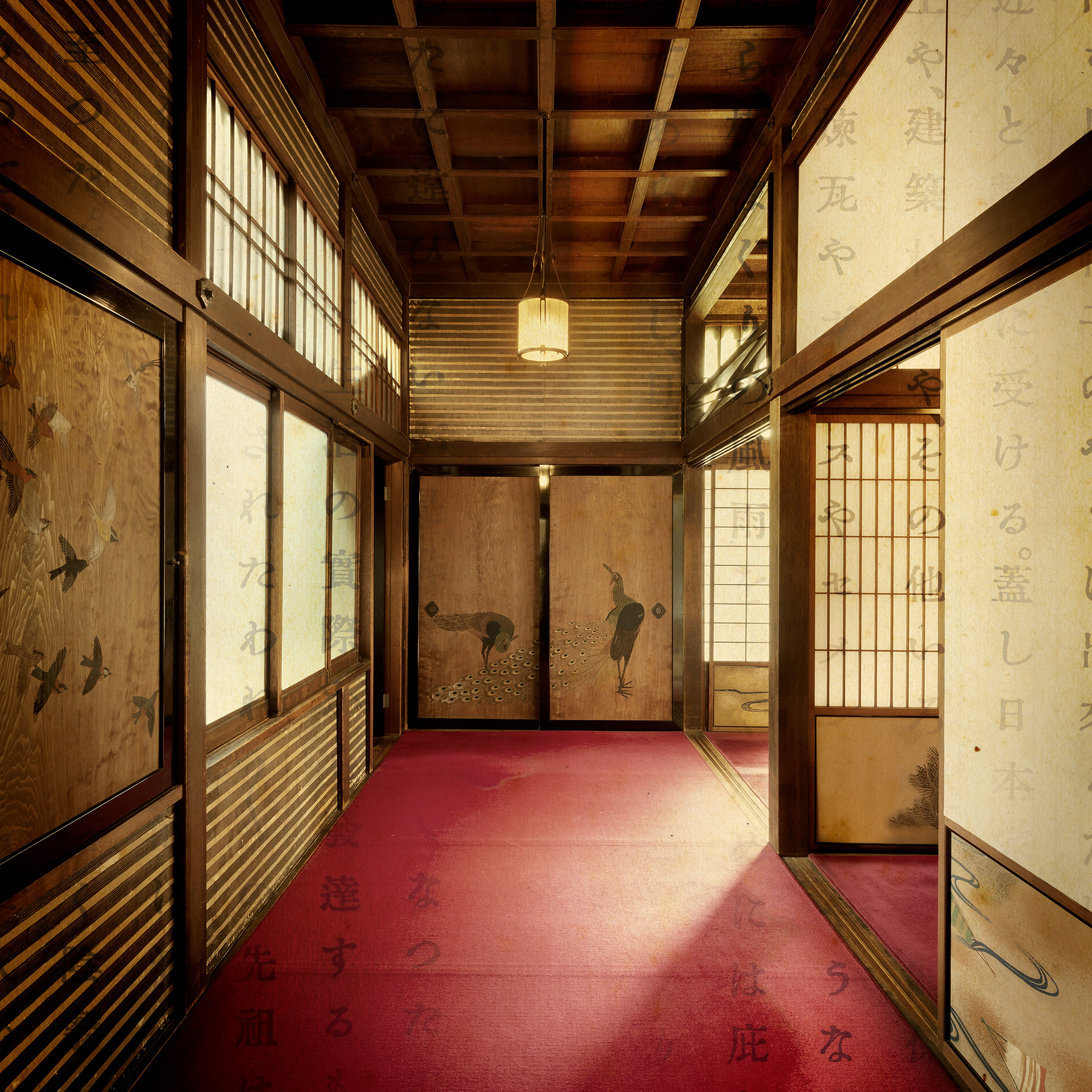
Mitsui Residence. Transplanted House from Nishi-azabu. 1952. Photographic Fine Art Print. 80x80cm. Beech frame with museum glass. Edition of 3.
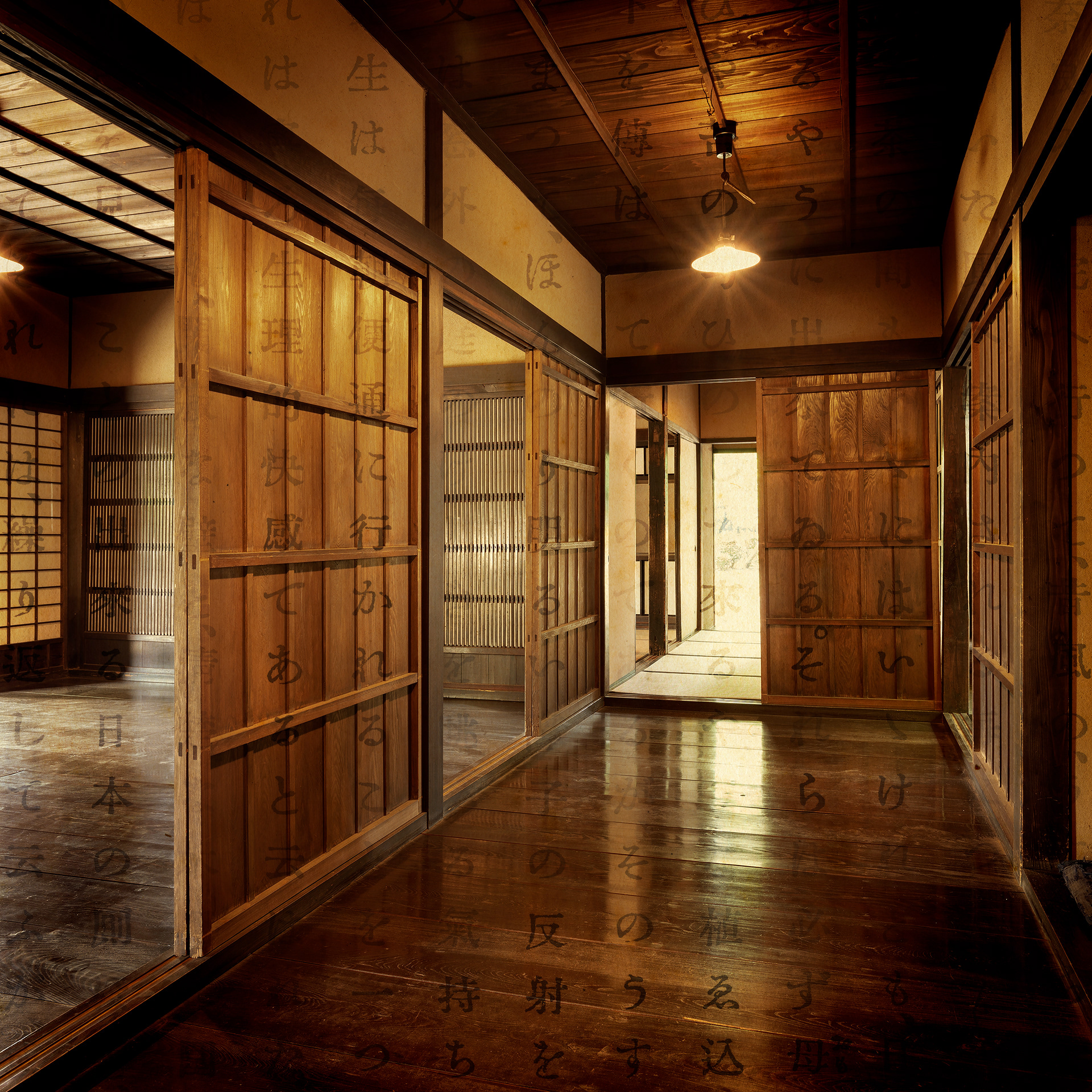
Hachioji House. Transplanted House from Oiwakecho. 18th century. Photographic Fine Art Print. 80x80cm. Beech frame with museum glass. Edition of 3.
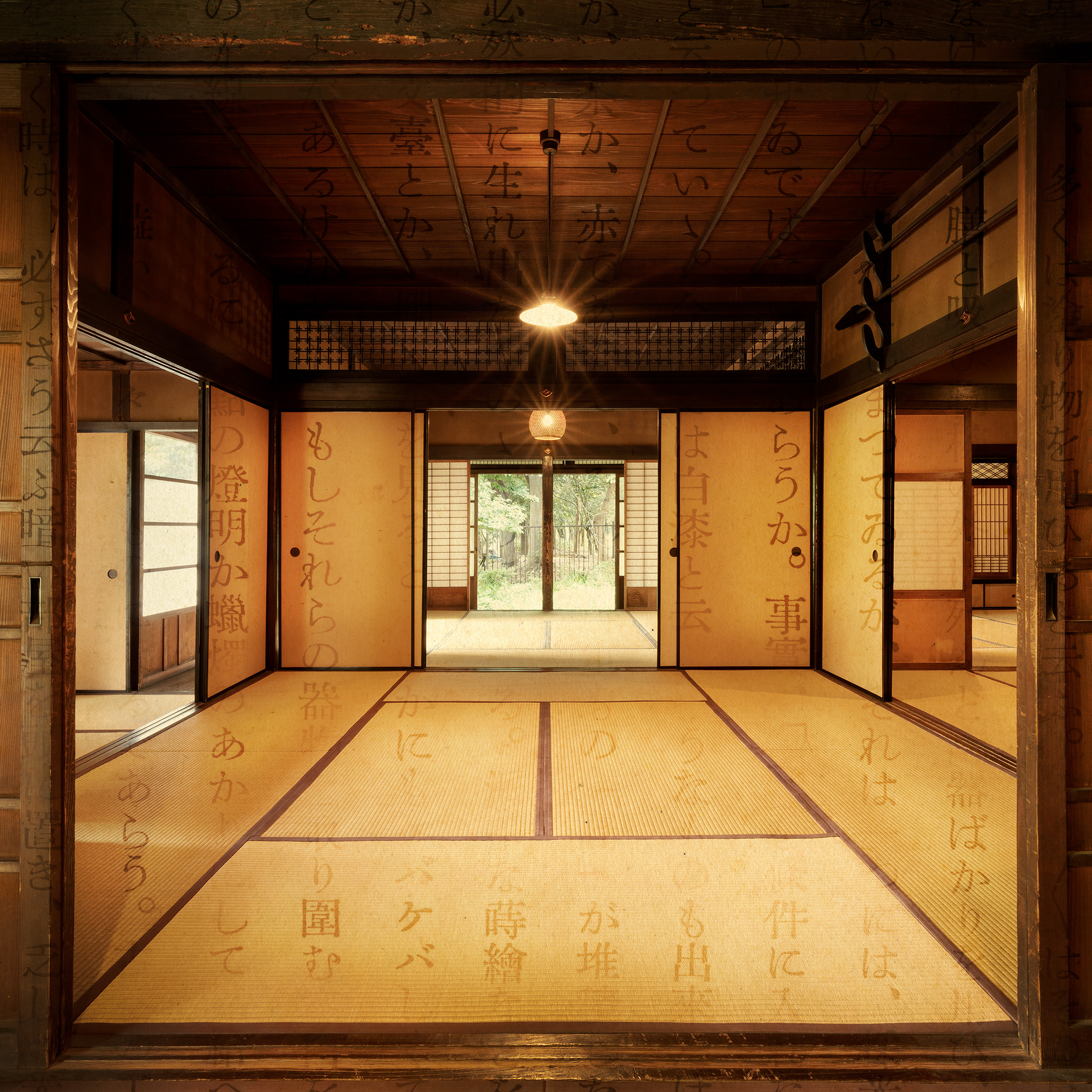
Yoshino Farmhouse. Transplanted House from Nozaki. 18th century. Photographic Fine Art Print. 80x80cm. Beech frame with museum glass. Edition of 3.
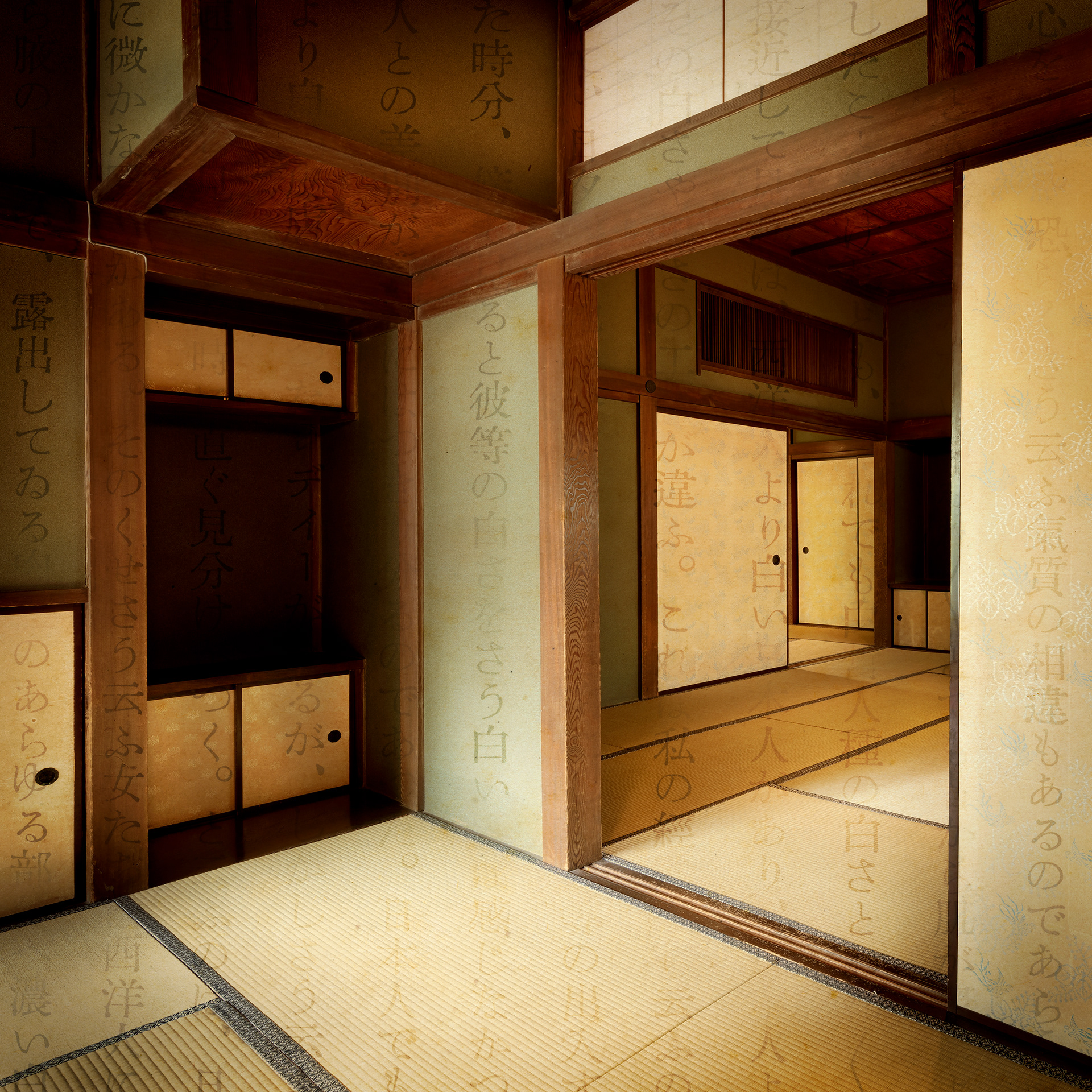
Takahashi House. Transplanted House from Akasaka. 1902. Photographic Fine Art Print. 80x80cm. Beech frame with museum glass. Edition of 3.
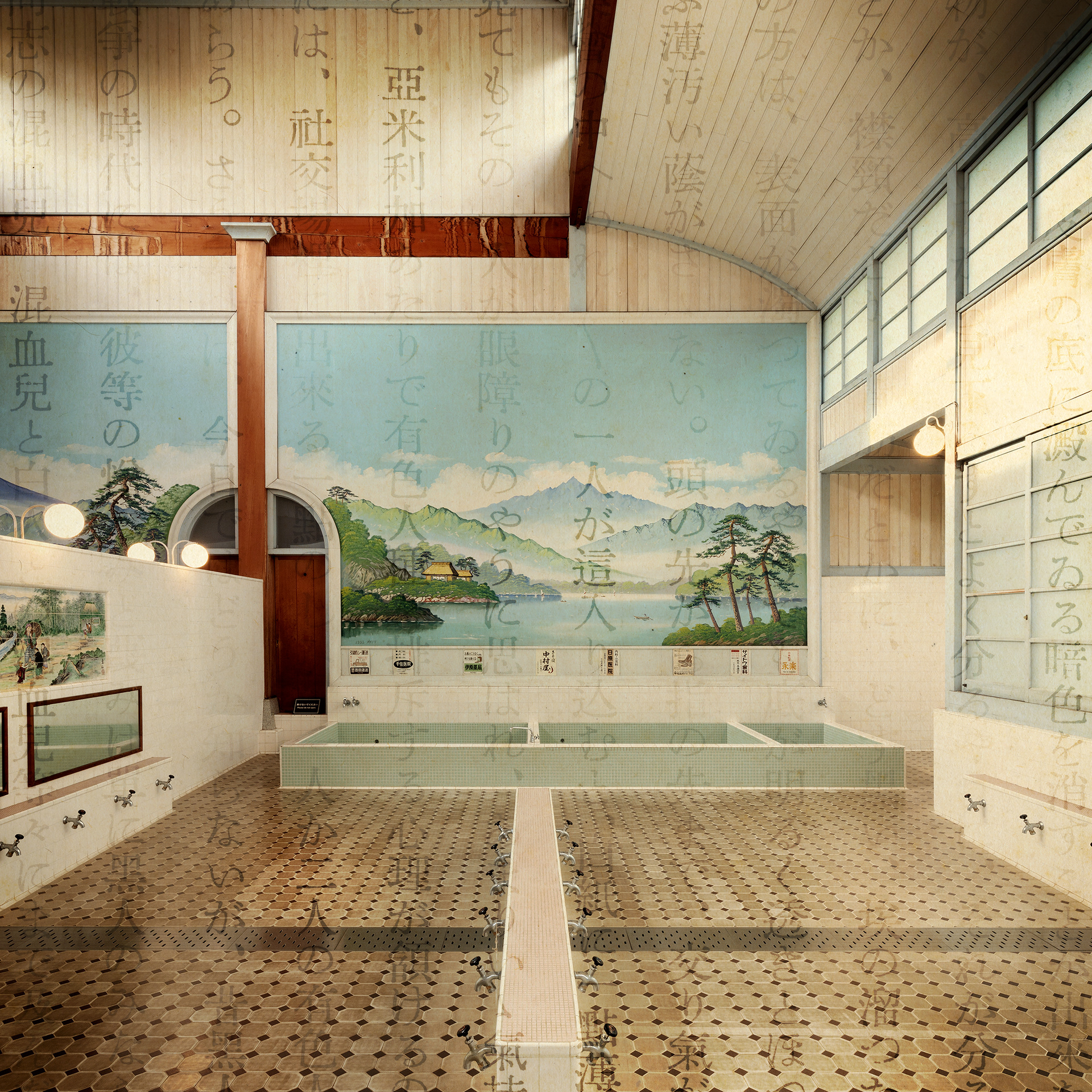
Public Bathhouse Kodakara-Yu. Transplanted House from Senjo-motomachi. 1929. Photographic Fine Art Print. 80x80cm. Beech frame with museum glass. Edition of 3.
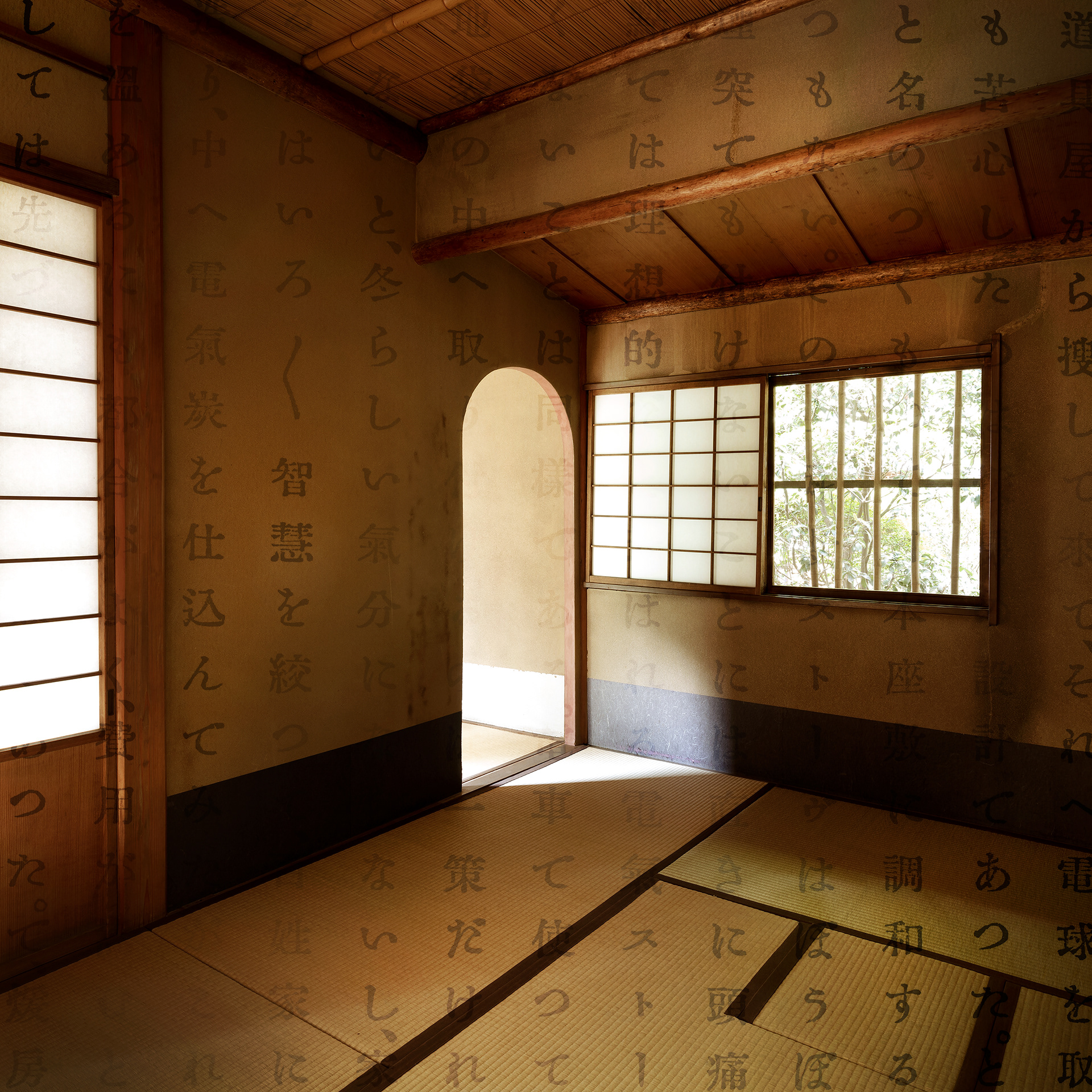
Kosaka House #1. Setagaya. 1938. Photographic Fine Art Print. 80x80cm. Beech frame with museum glass. Edition of 3.
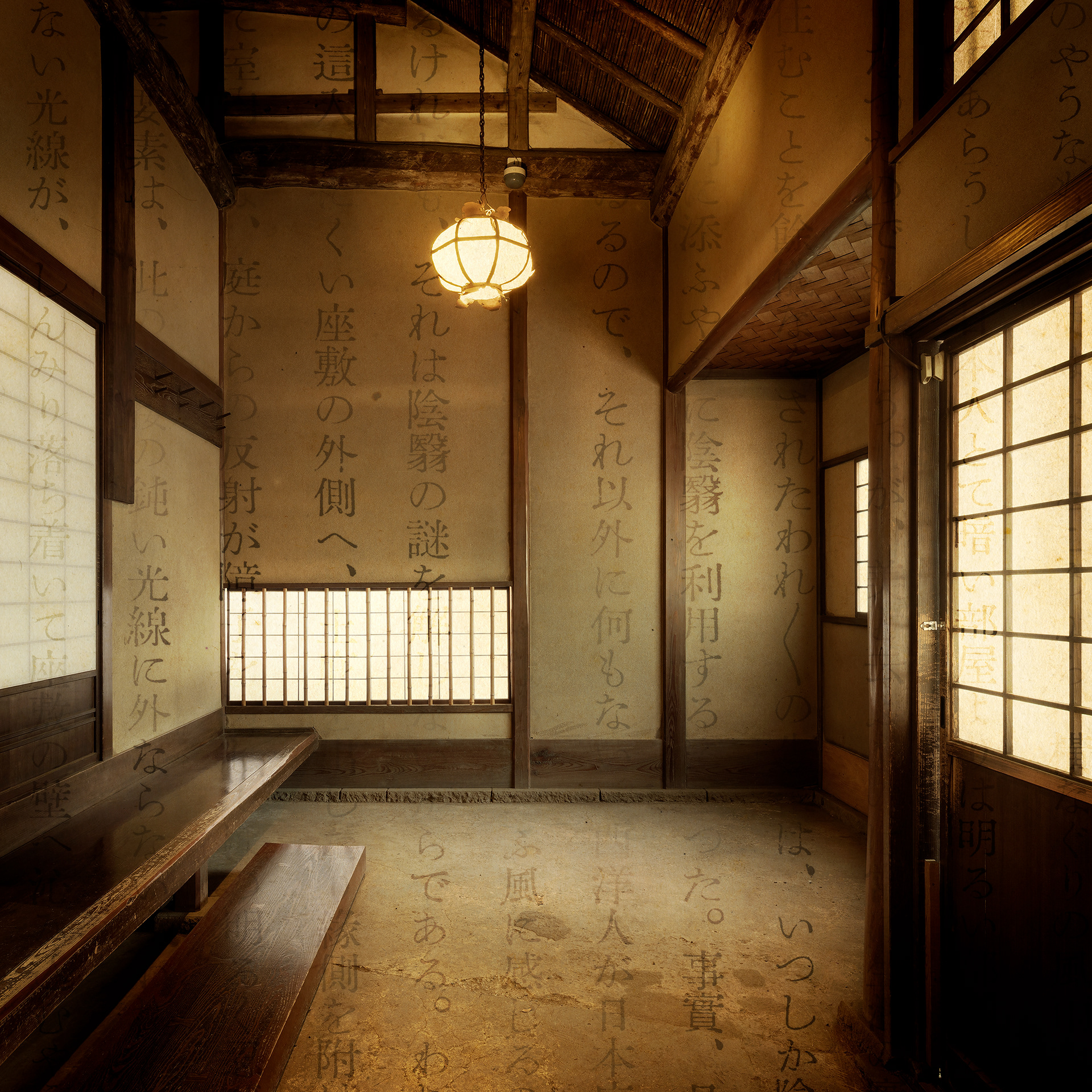
Kosaka House #2. Setagaya. 1938. Photographic Fine Art Print. 80x80cm. Beech frame with museum glass. Edition of 3.
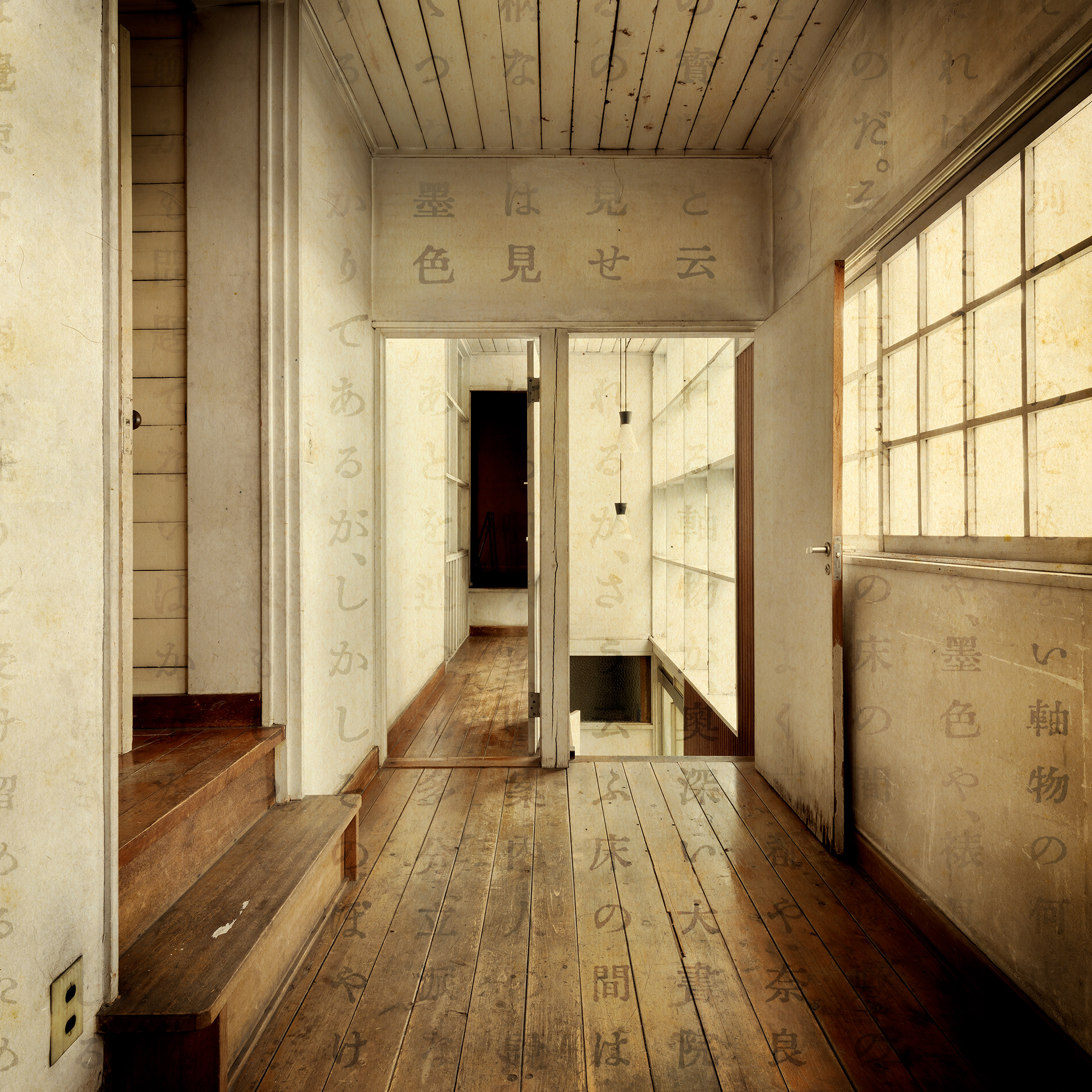
Migishi Atelier. Nakano-Ku. Designed by Iwao Yamawaki. 1934. Photographic Fine Art Print. 80x80cm. Beech frame with museum glass. Edition of 3.
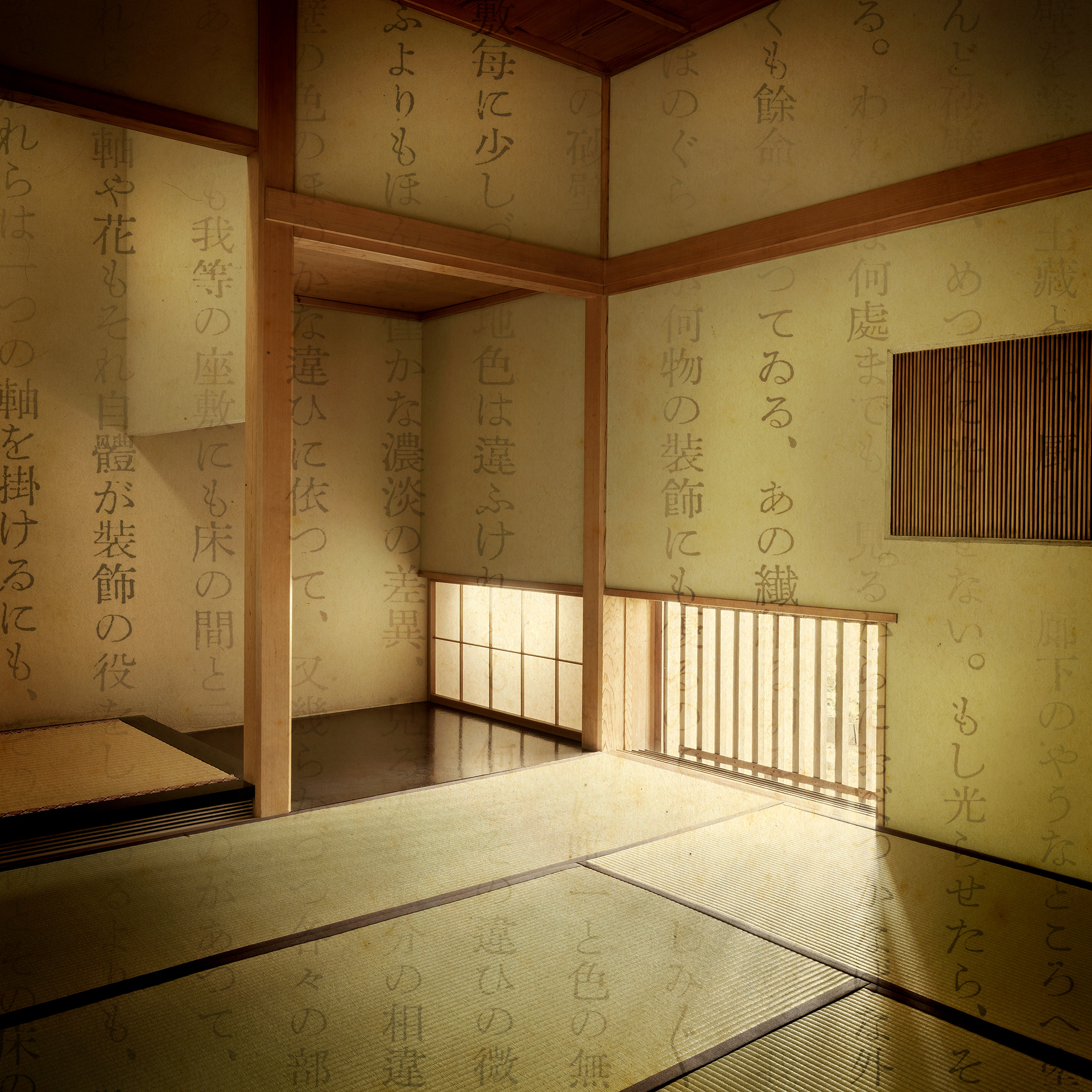
Inomata House #1 Nakano-Ku. Designed by Isoya Yosida & Associates. 1967. Photographic Fine Art Print. 80x80cm. Beech frame with museum glass. Edition of 3.
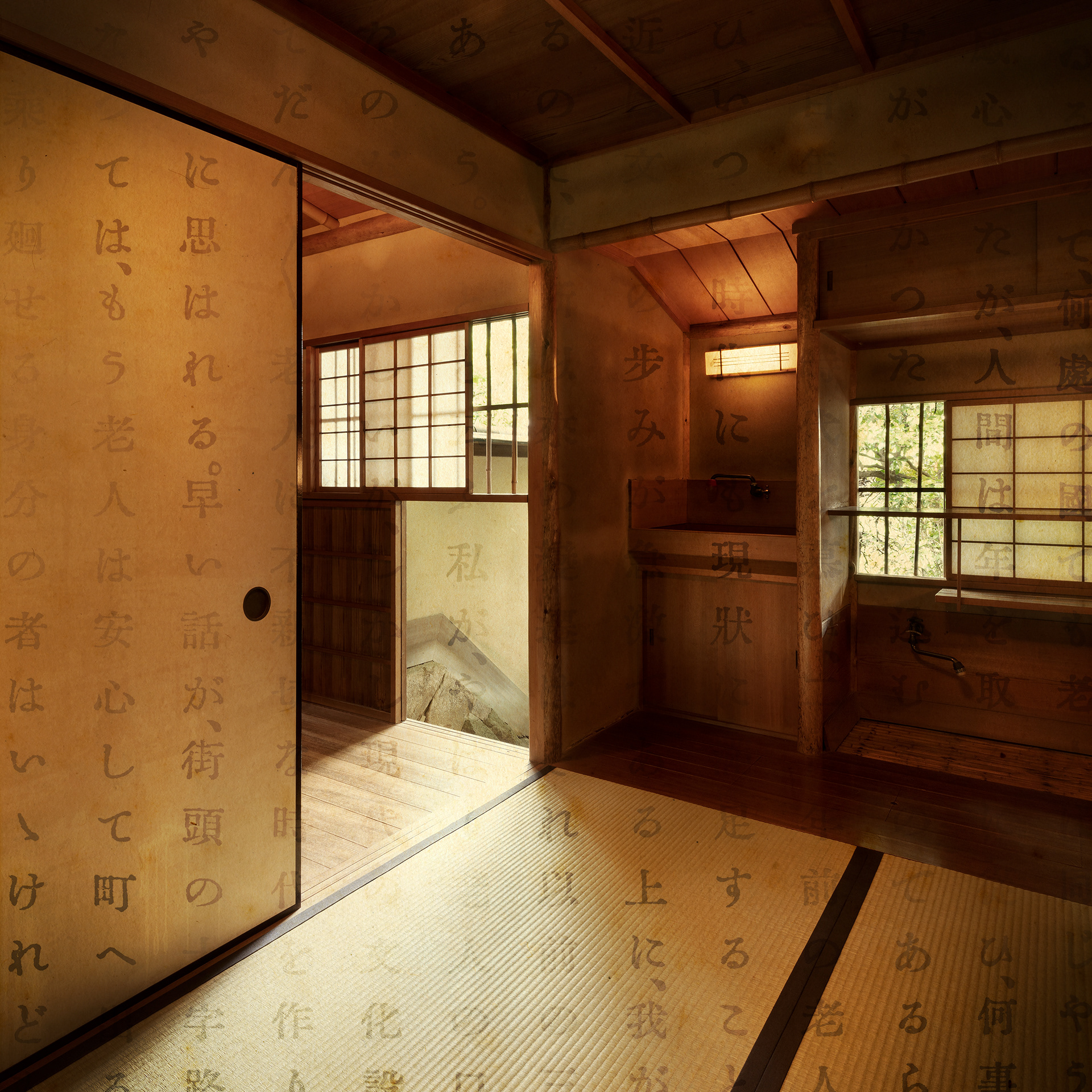
Inomata House #2 Nakano-Ku. Designed by Isoya Yosida & Associates. 1967. Photographic Fine Art Print. 80x80cm. Beech frame with museum glass. Edition of 3.
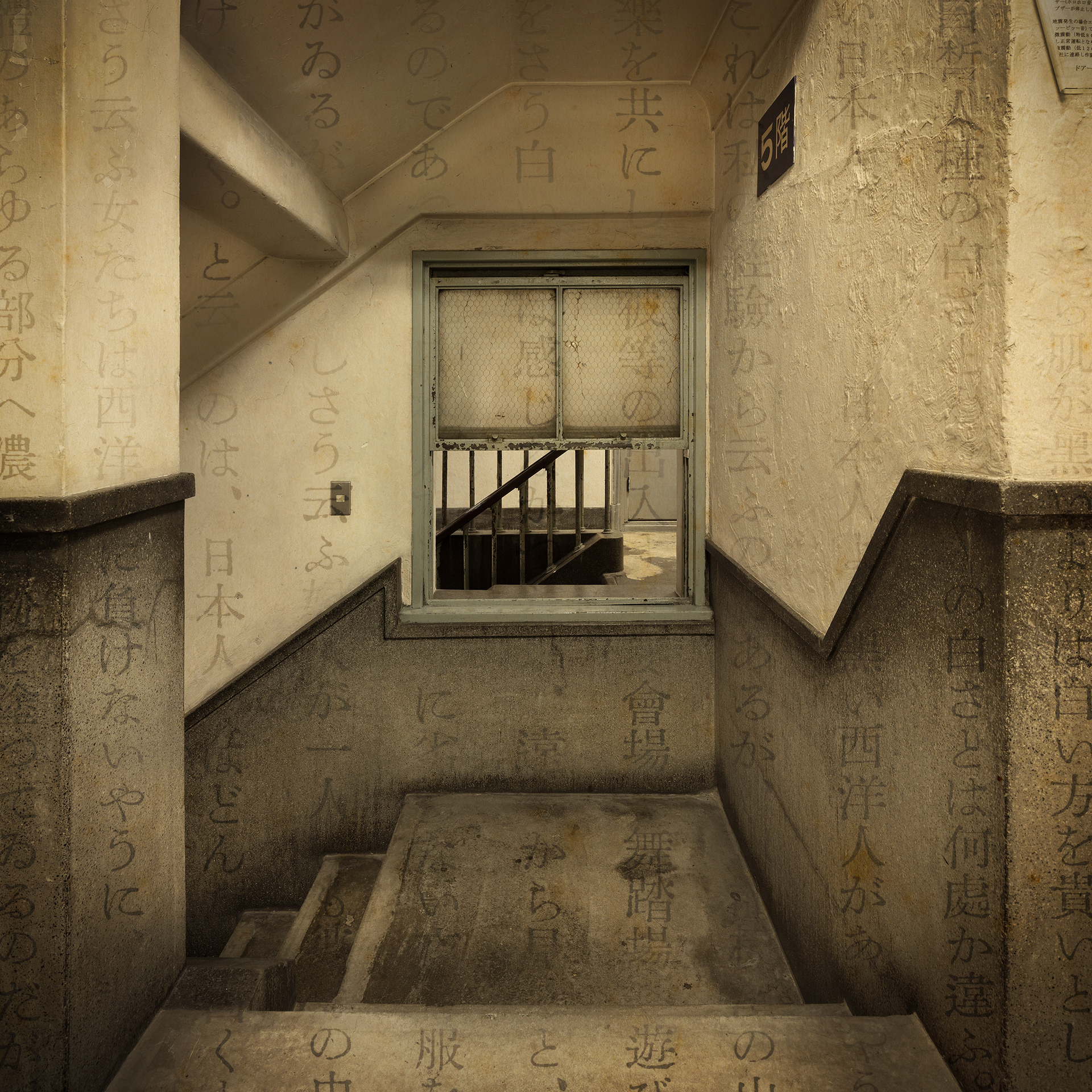
Okuno Building. Designed by Ryoichi Kawamoto. 1932. Photographic Fine Art Print. 60x60cm. Beech frame with museum glass. Edition of 3.
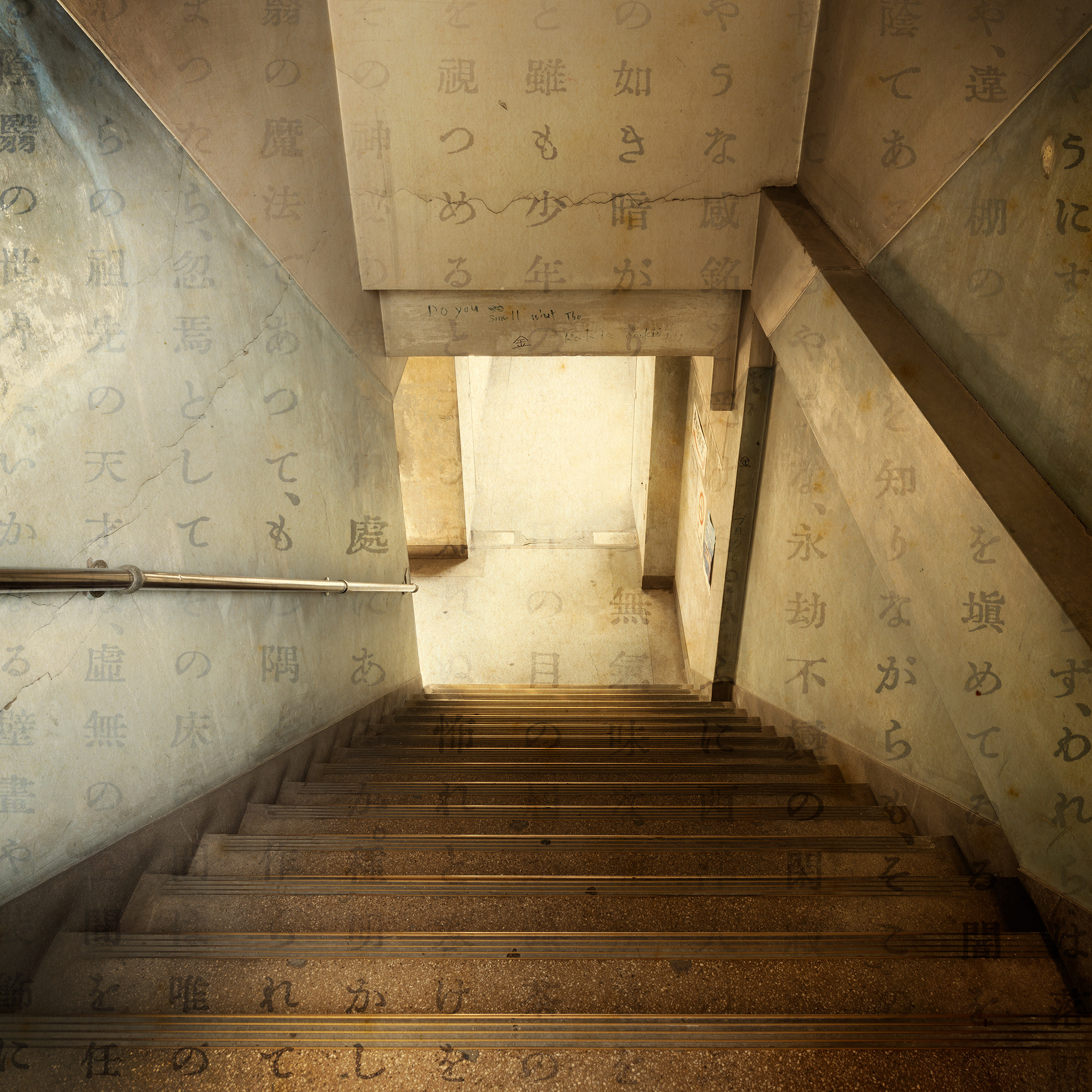
Tsukiji Fish Market #2. Designed by architects and engineers from the Architectural Section of Tokyo Municipal Government. 1935. Photographic Fine Art Print. 60x60cm. Beech frame with museum glass. Edition of 3.
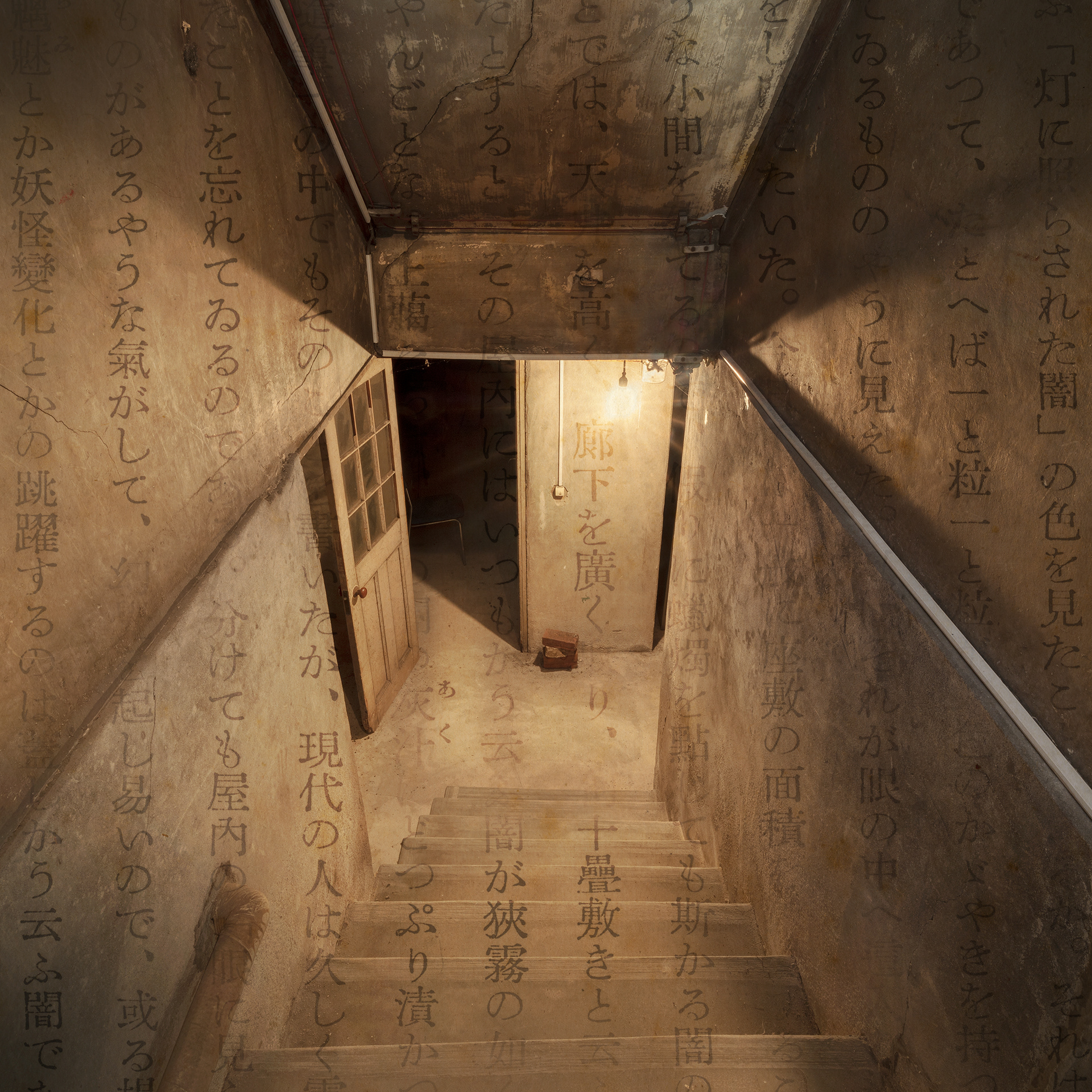
Tokyo Friends House. Designed by William Merrell Vories. Early 1920’s. Photographic Fine Art Print. 60x60cm. Beech frame with museum glass. Edition of 3.
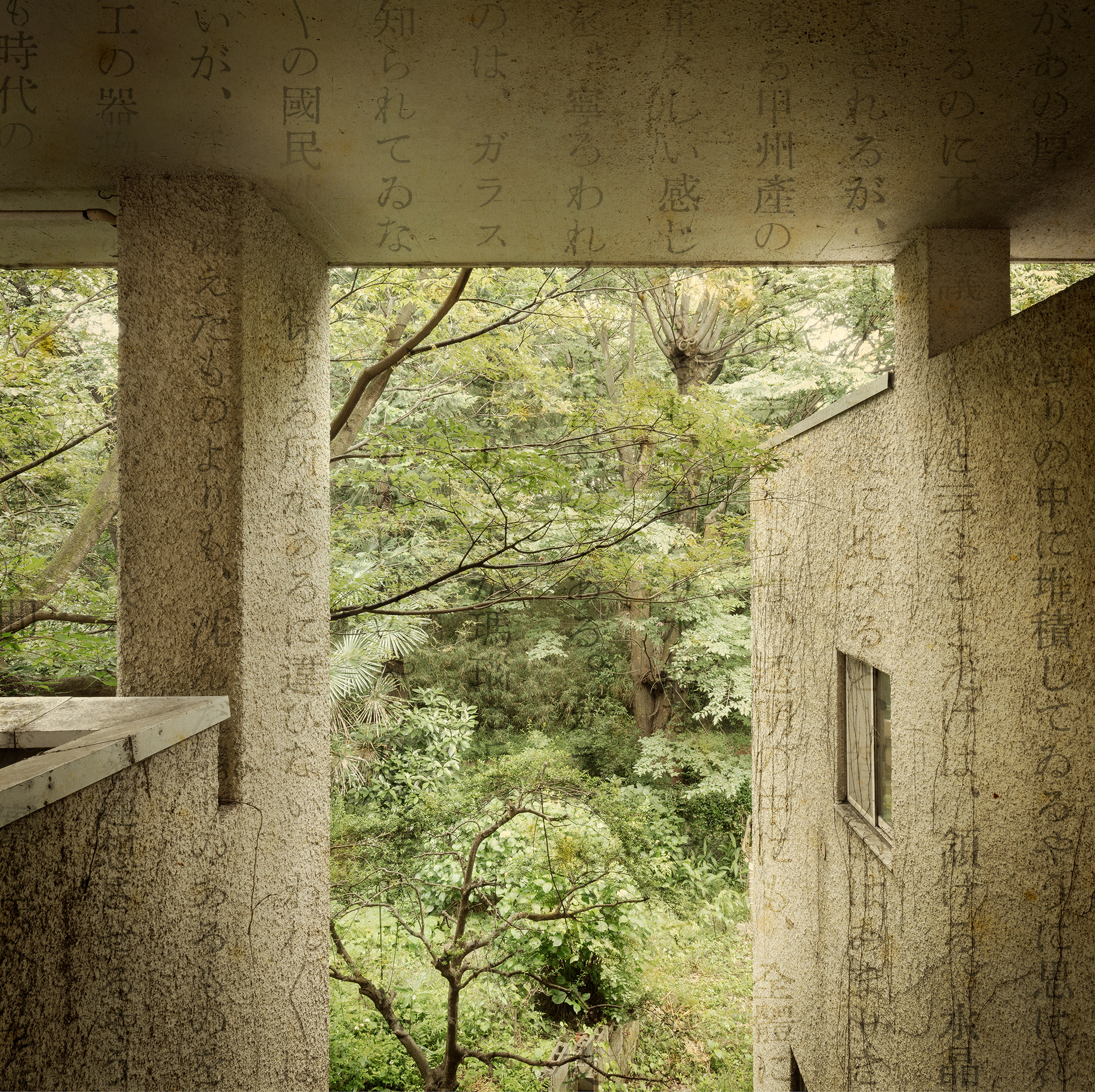
Japan Lutheran College. Designed by Togo Murano. 1969. Photographic Fine Art Print. 80x80cm. Beech frame with museum glass. Edition of 3.
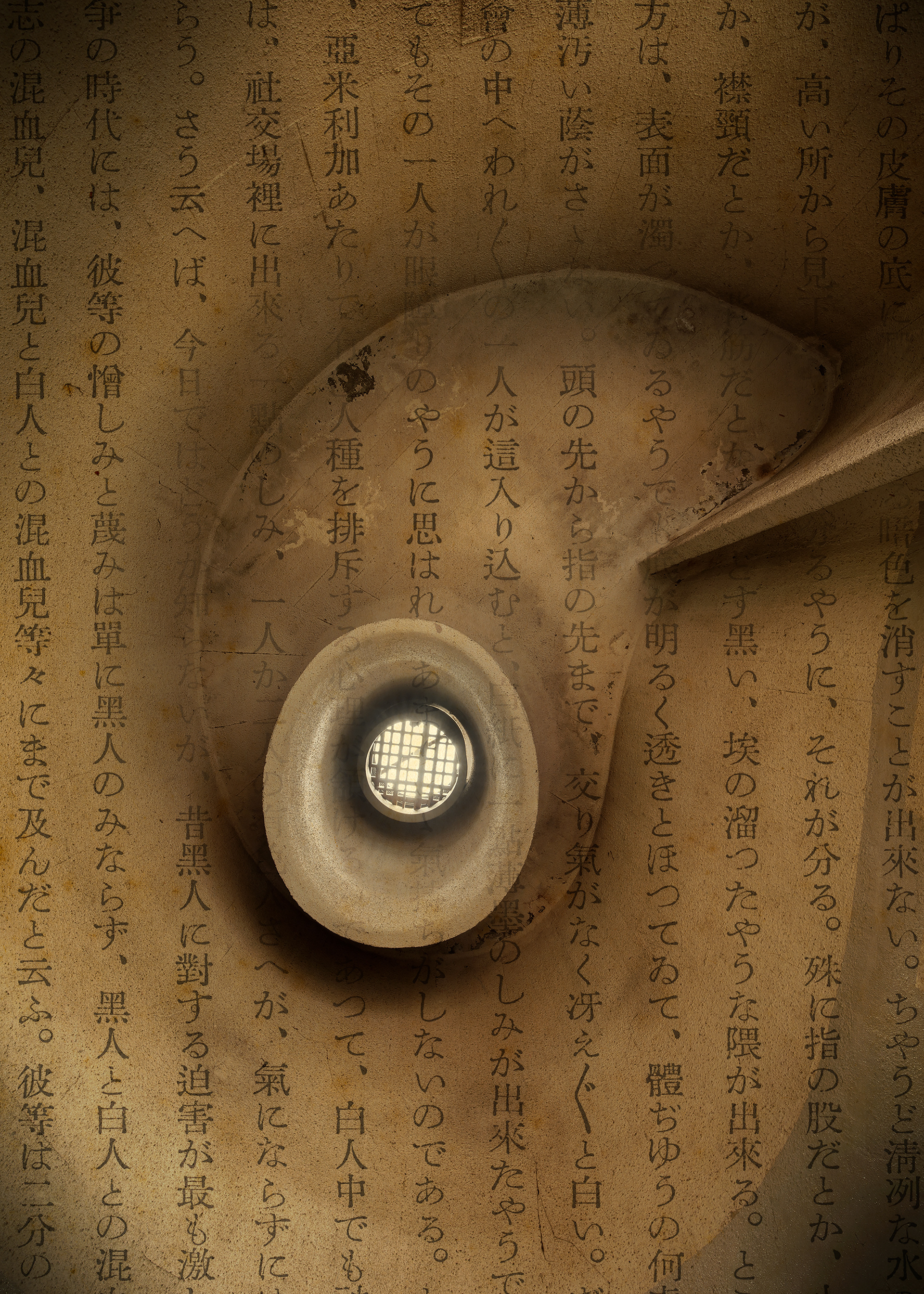
Japan Lutheran College Chapel. Designed by Togo Murano. 1969. Photographic Fine Art Print. 140x100cm. Beech frame with museum glass. Edition of 3.
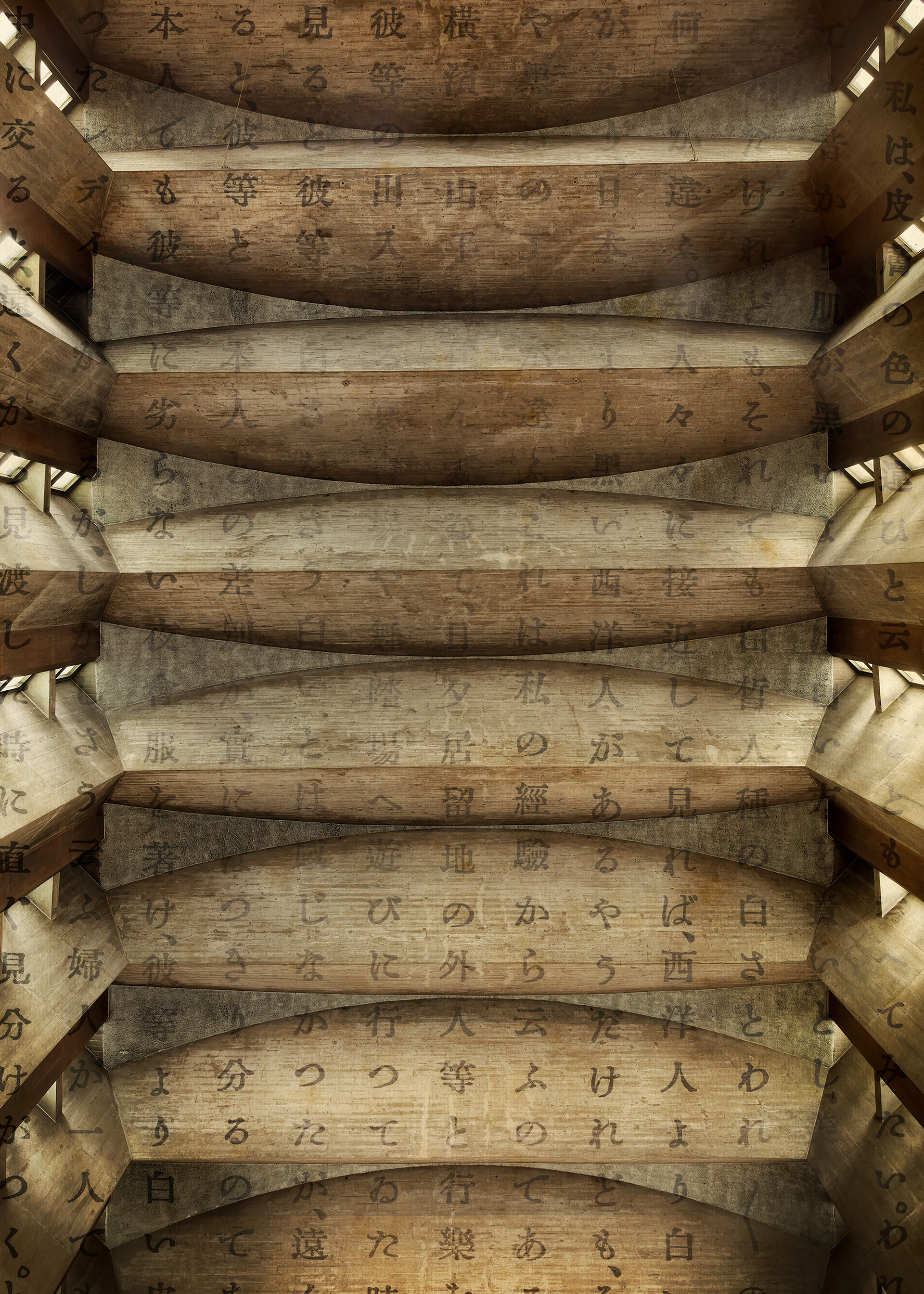
Meguro Church. Designed by Antonin Raymond. 1954. Photographic Fine Art Print. 140x100cm. Beech frame with museum glass. Edition of 3.
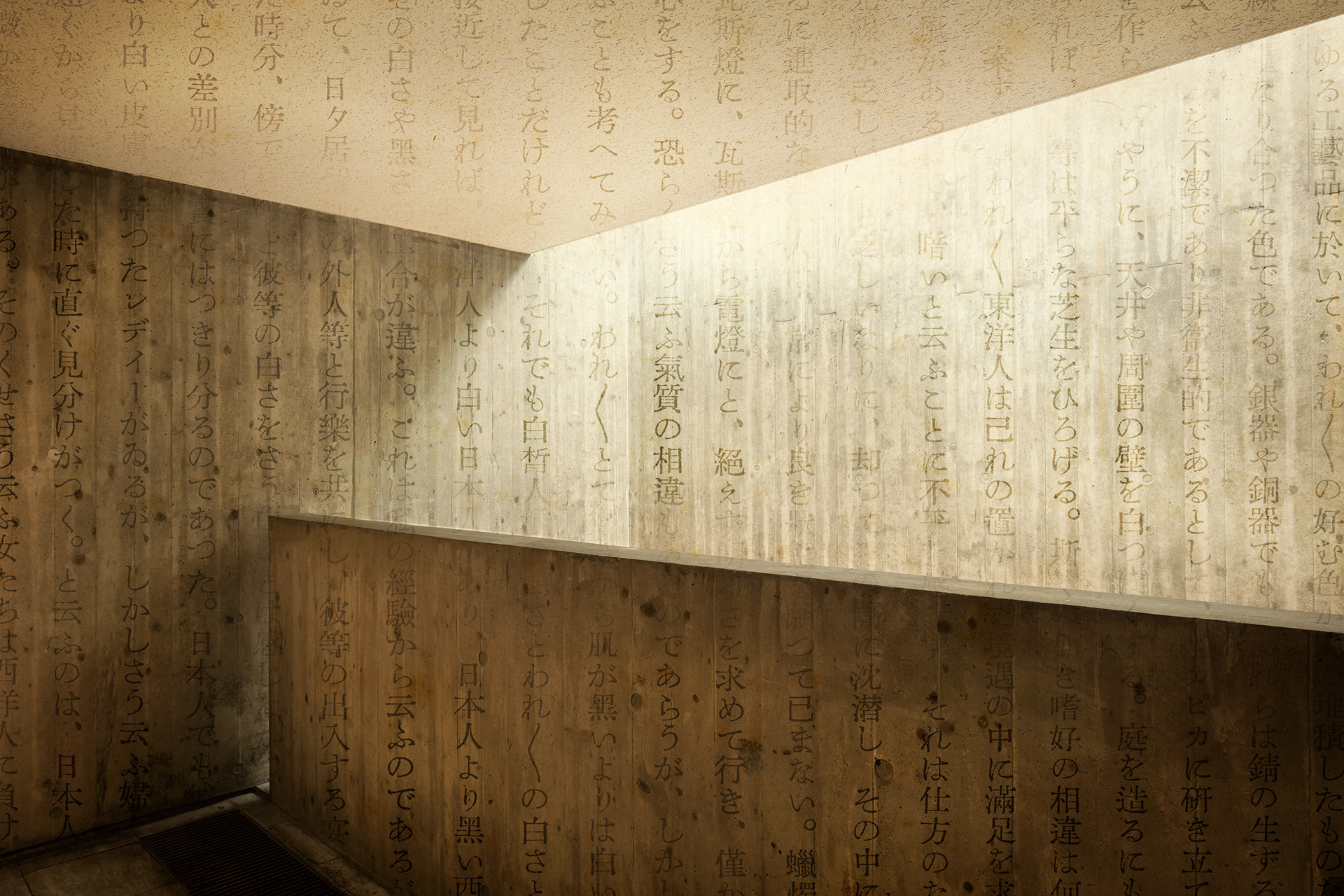
St. Mary's Cathedral. Designed by Kenzo Tange. 1964. Photographic Fine Art Print. 100x140cm. Beech frame with museum glass. Edition of 3.
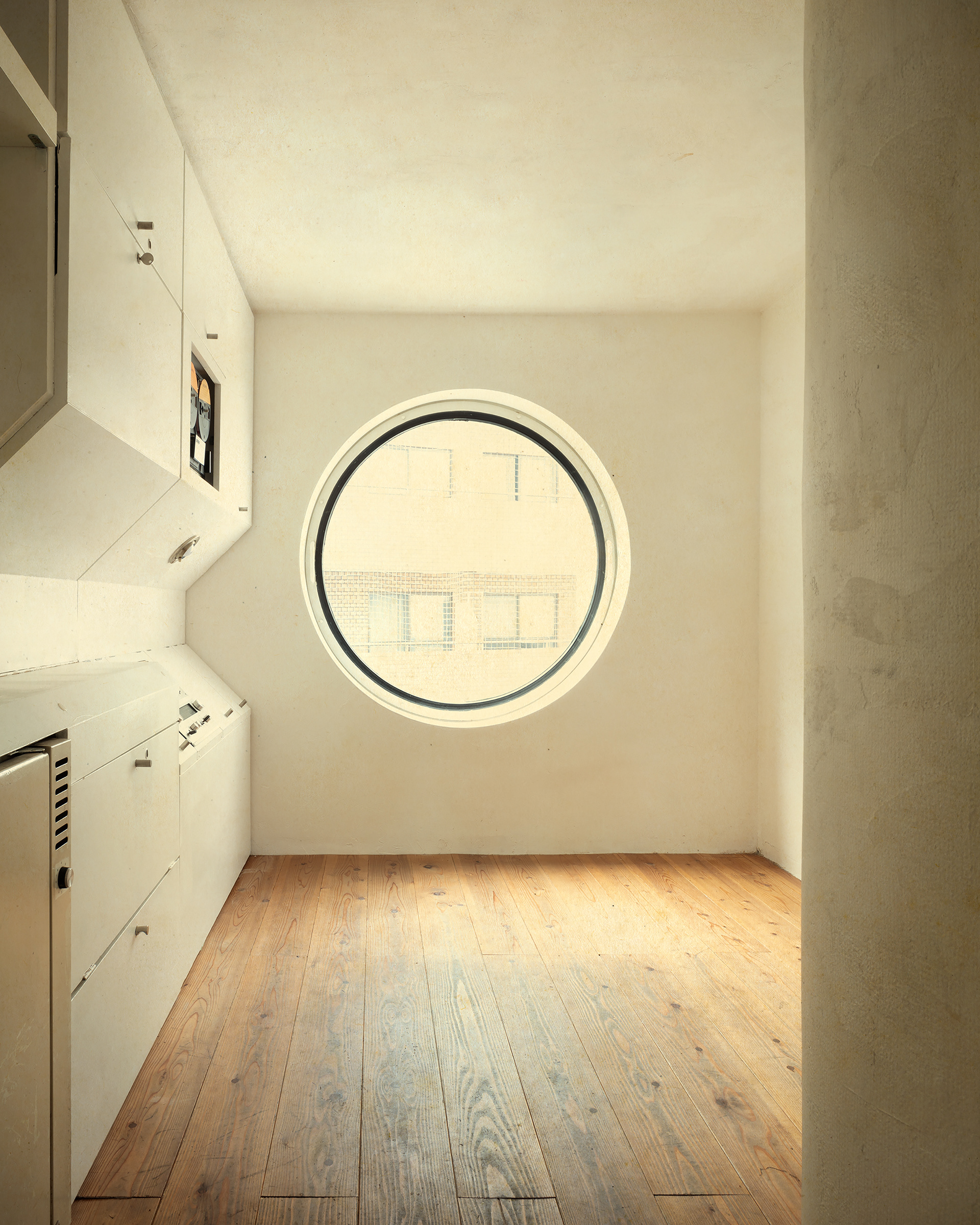
Nakagin Capsule Tower. Designed by Kisho Kurokawa. 1972. Duratran photographic print in a black wooden lightbox. 125x100cm. Edition of 3.
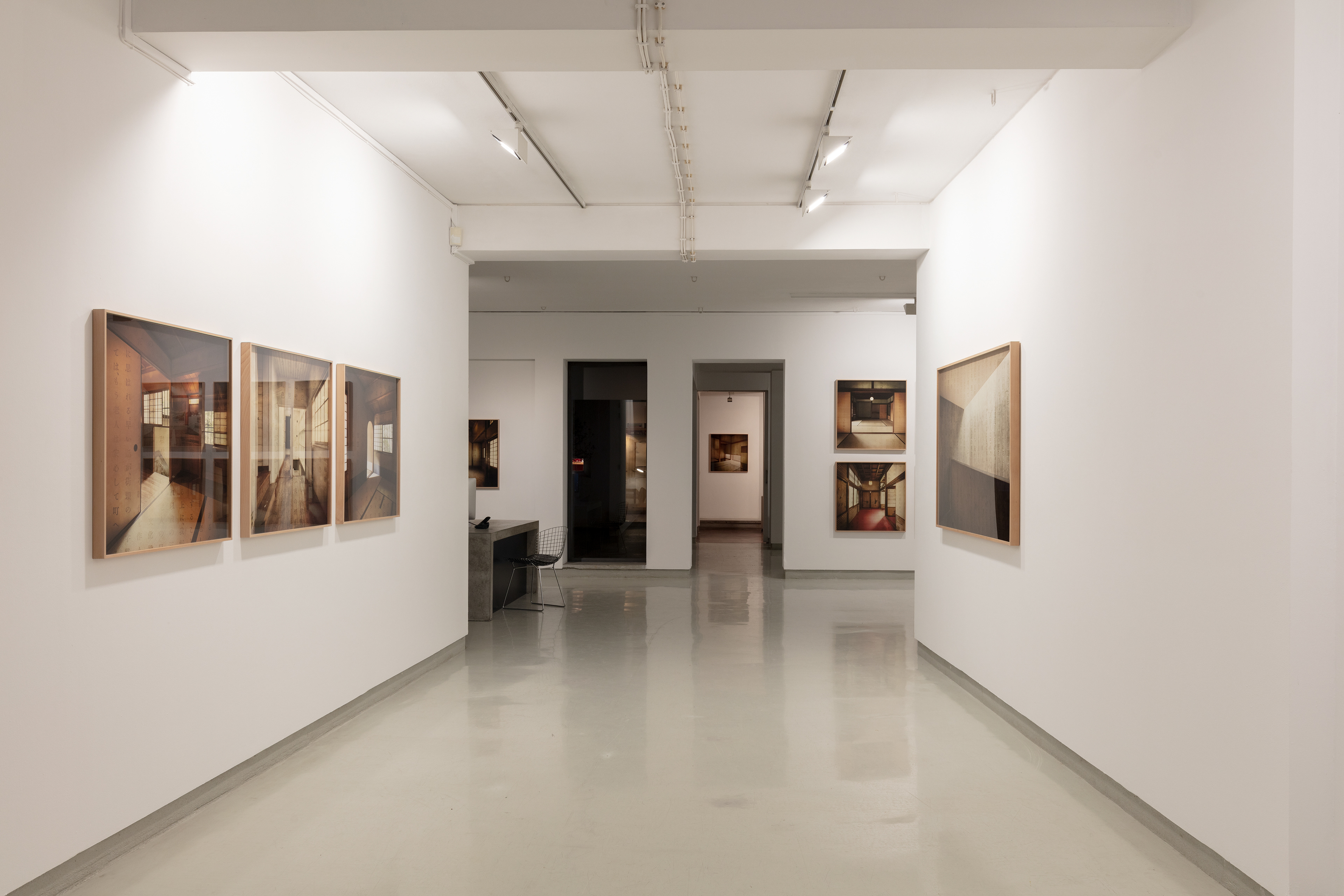
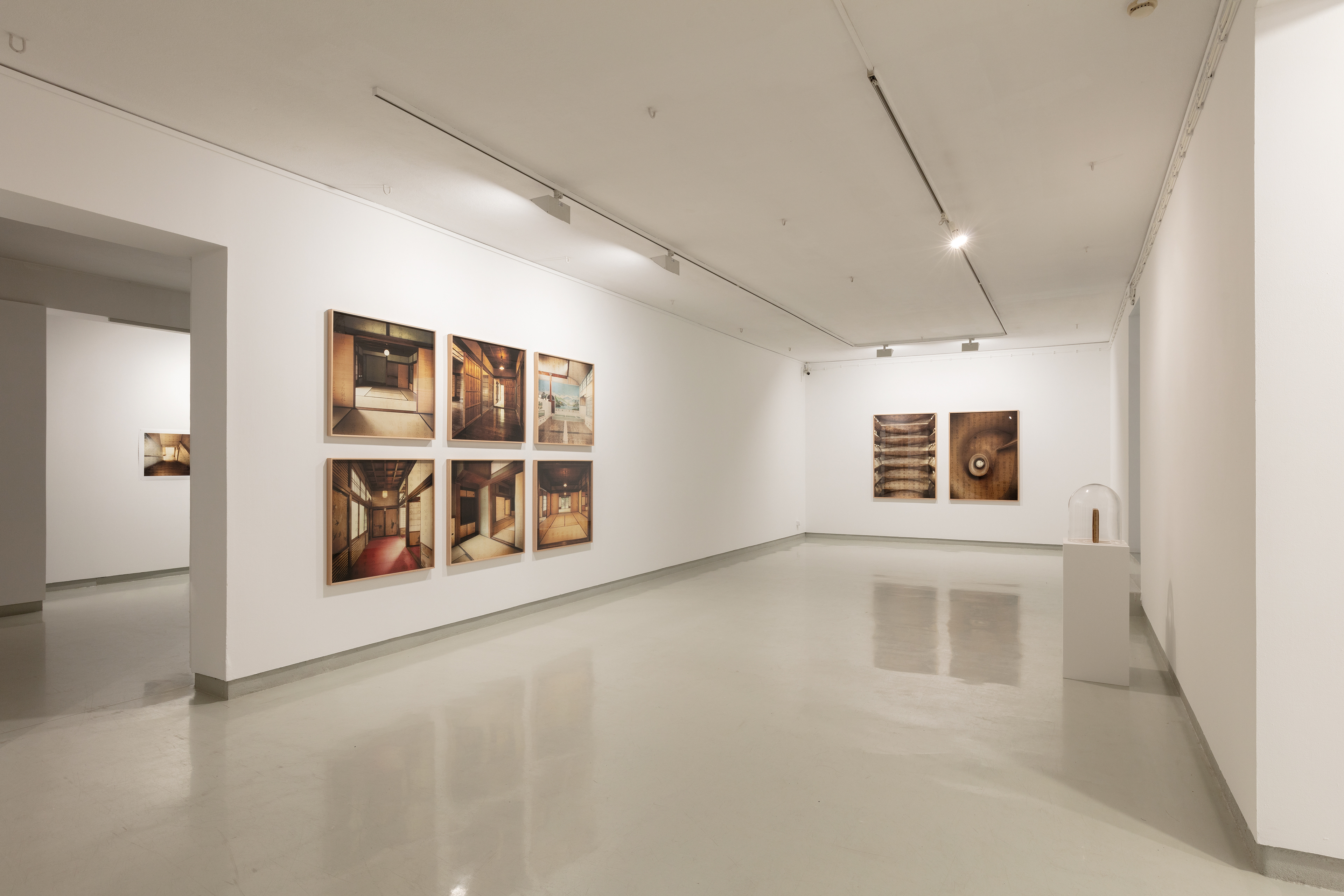
Exhibition view at Galeria Presença. 2018.
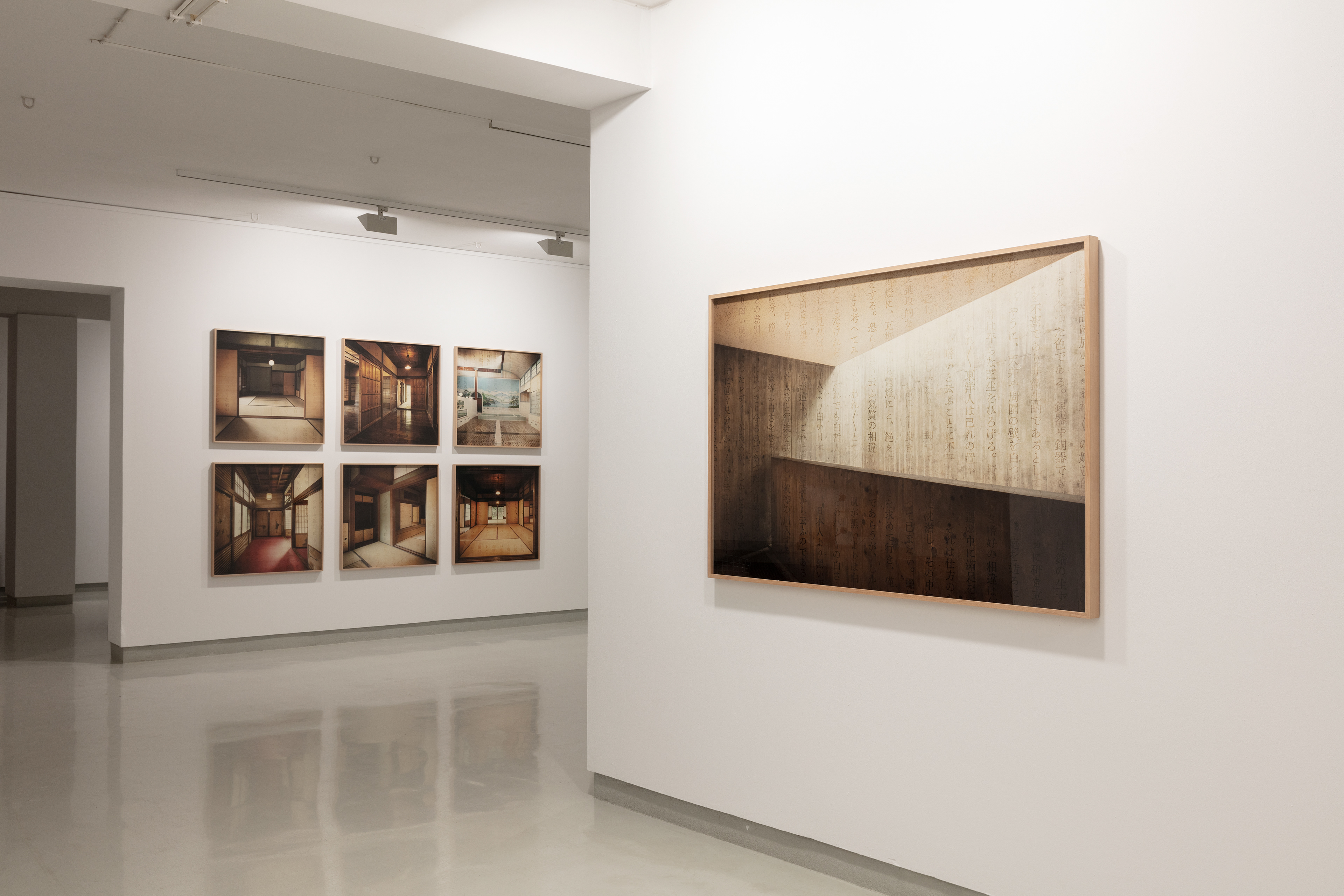
Exhibition view at Galeria Presença. 2018.
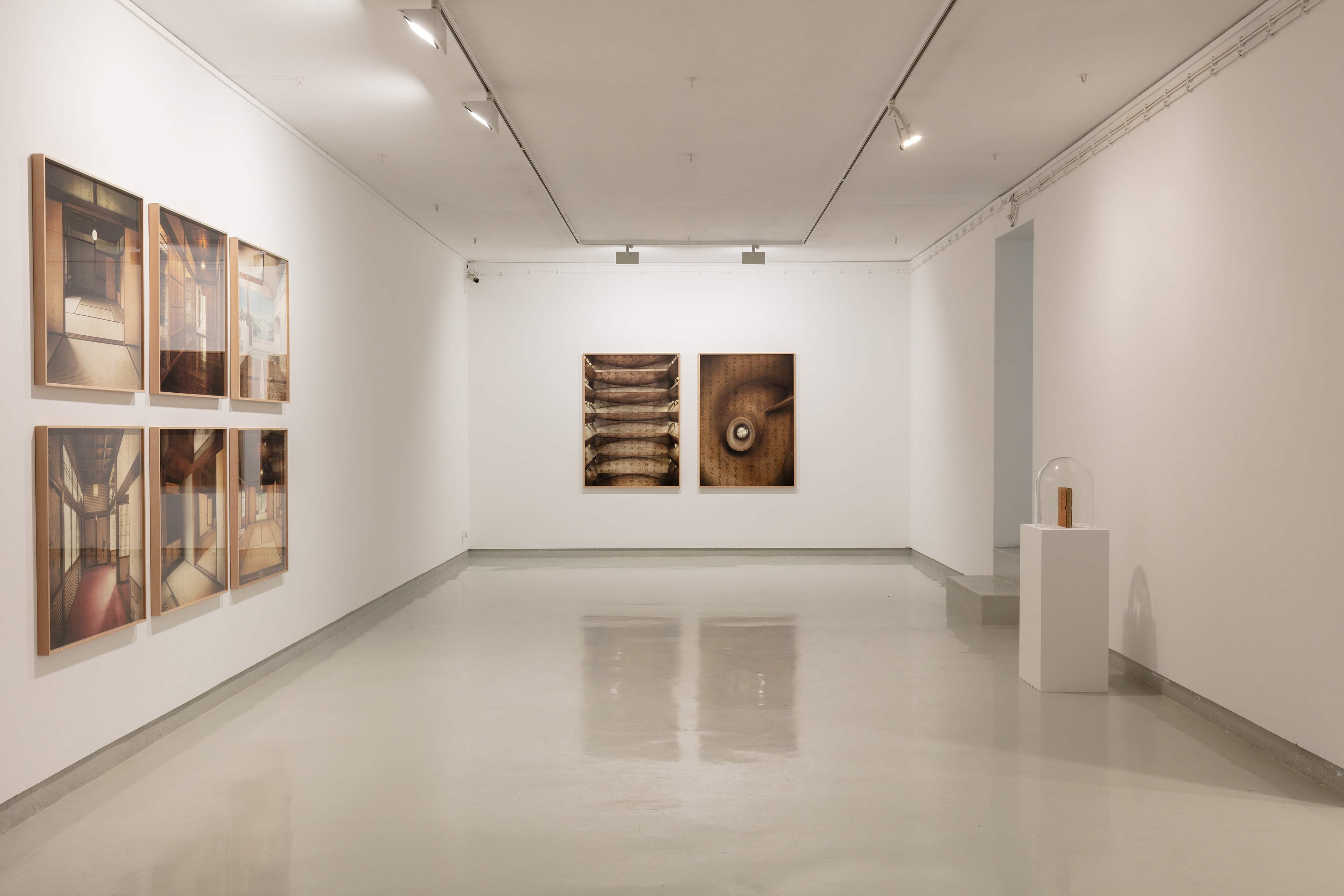
Exhibition view at Galeria Presença. 2018.
Exhibition view at Galeria Presença. 2018.
Exhibition view at Galeria Presença. 2018.
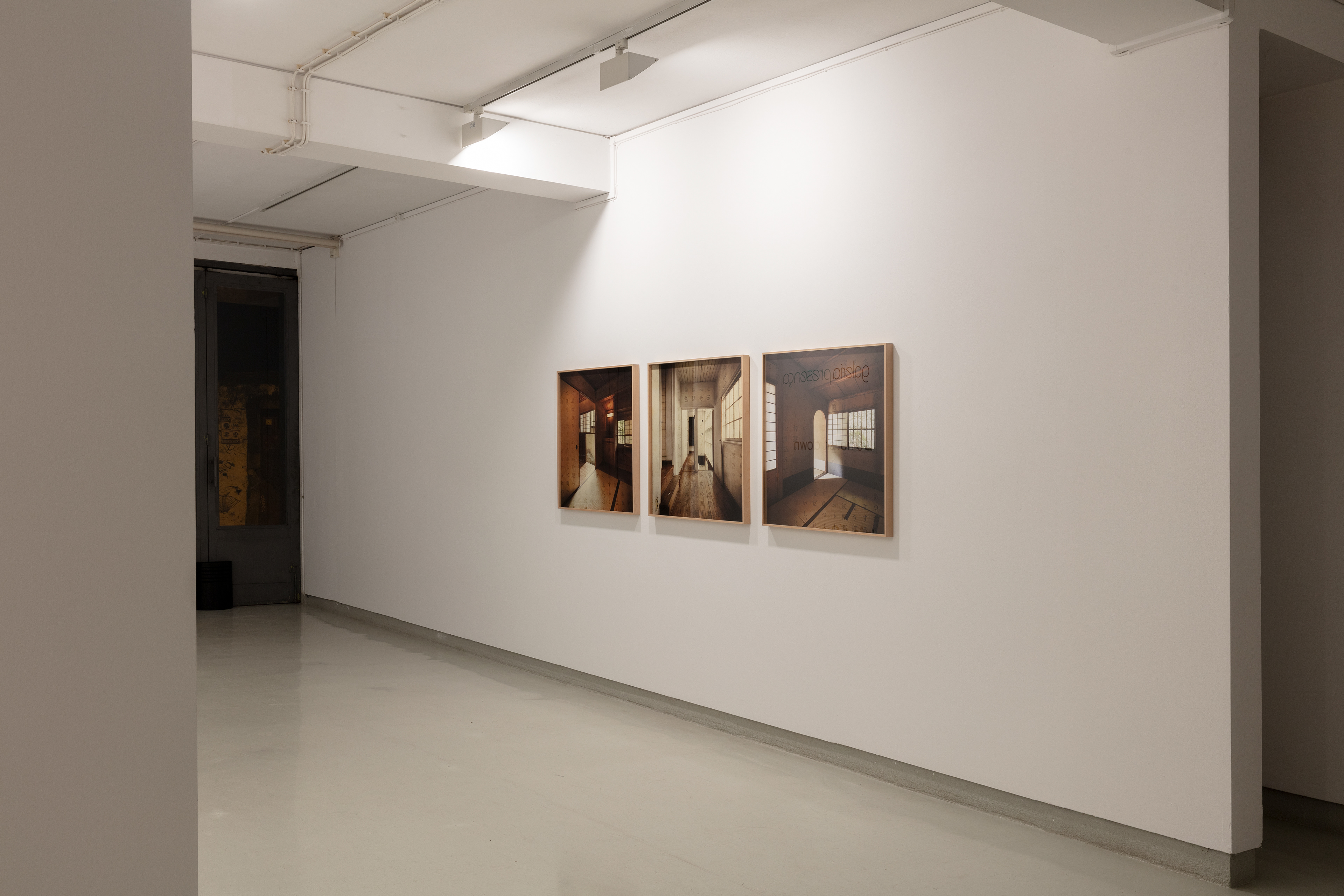
Exhibition view at Galeria Presença. 2018.
Exhibition view at Galeria Presença. 2018.
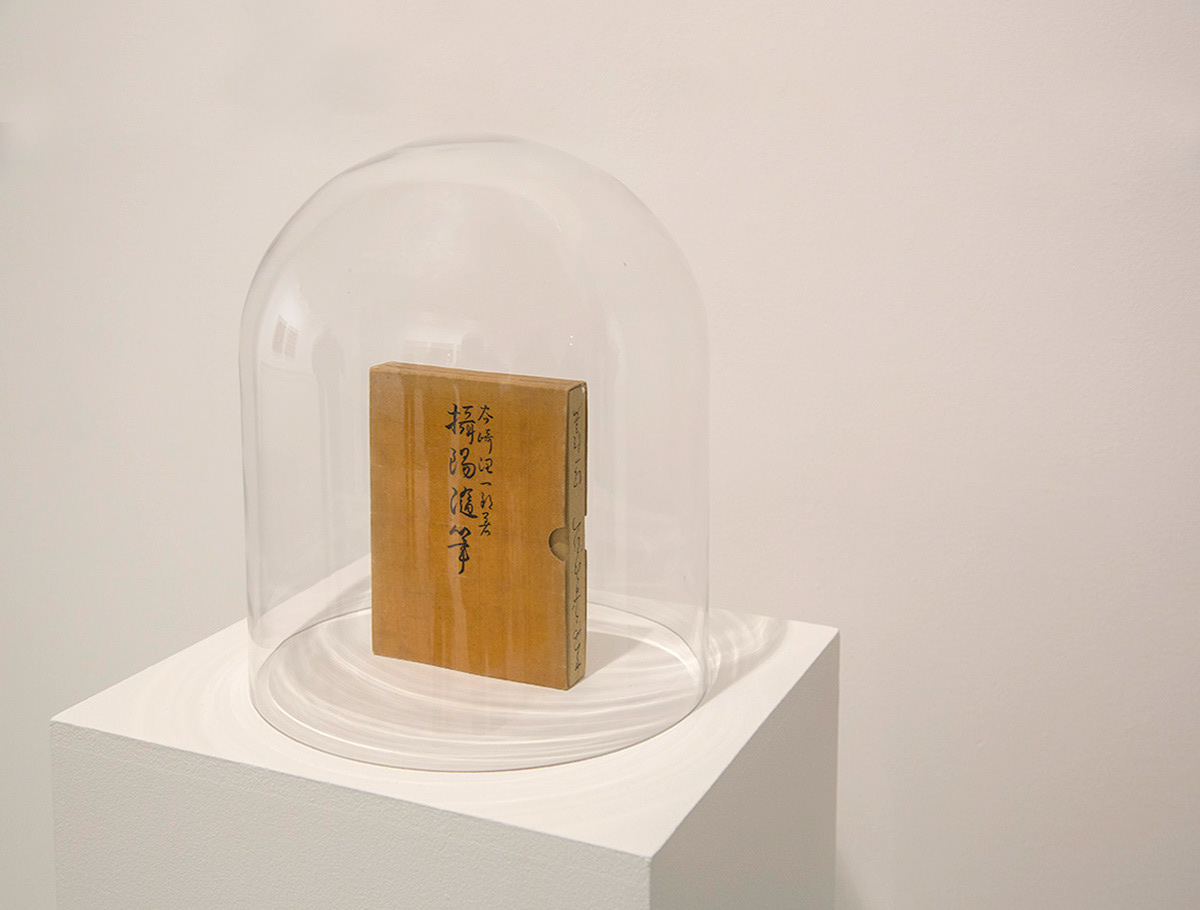
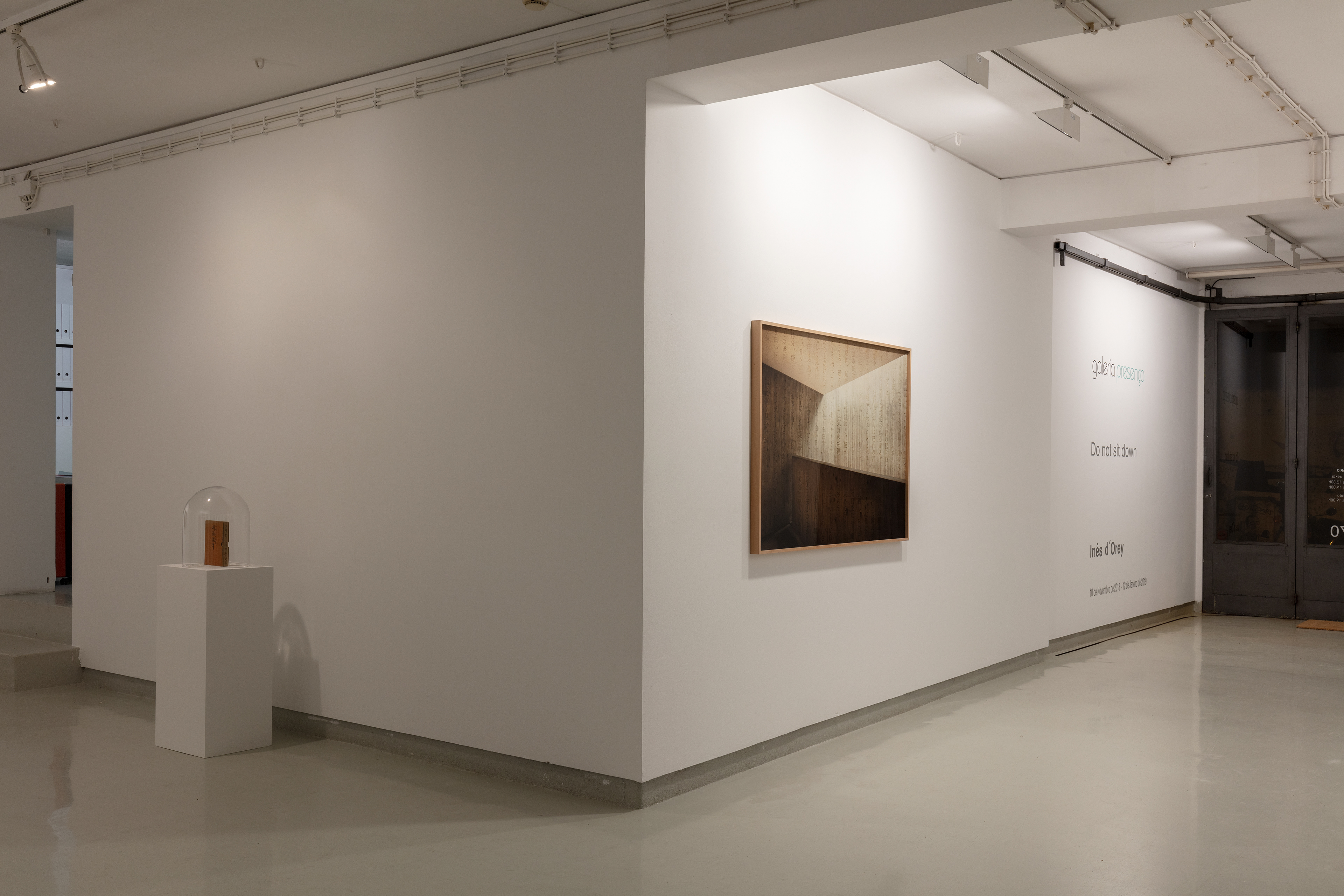
View of the first edition of In Praise of Shadow, by Junichiro Tanizaki (1932) under a glass dome.
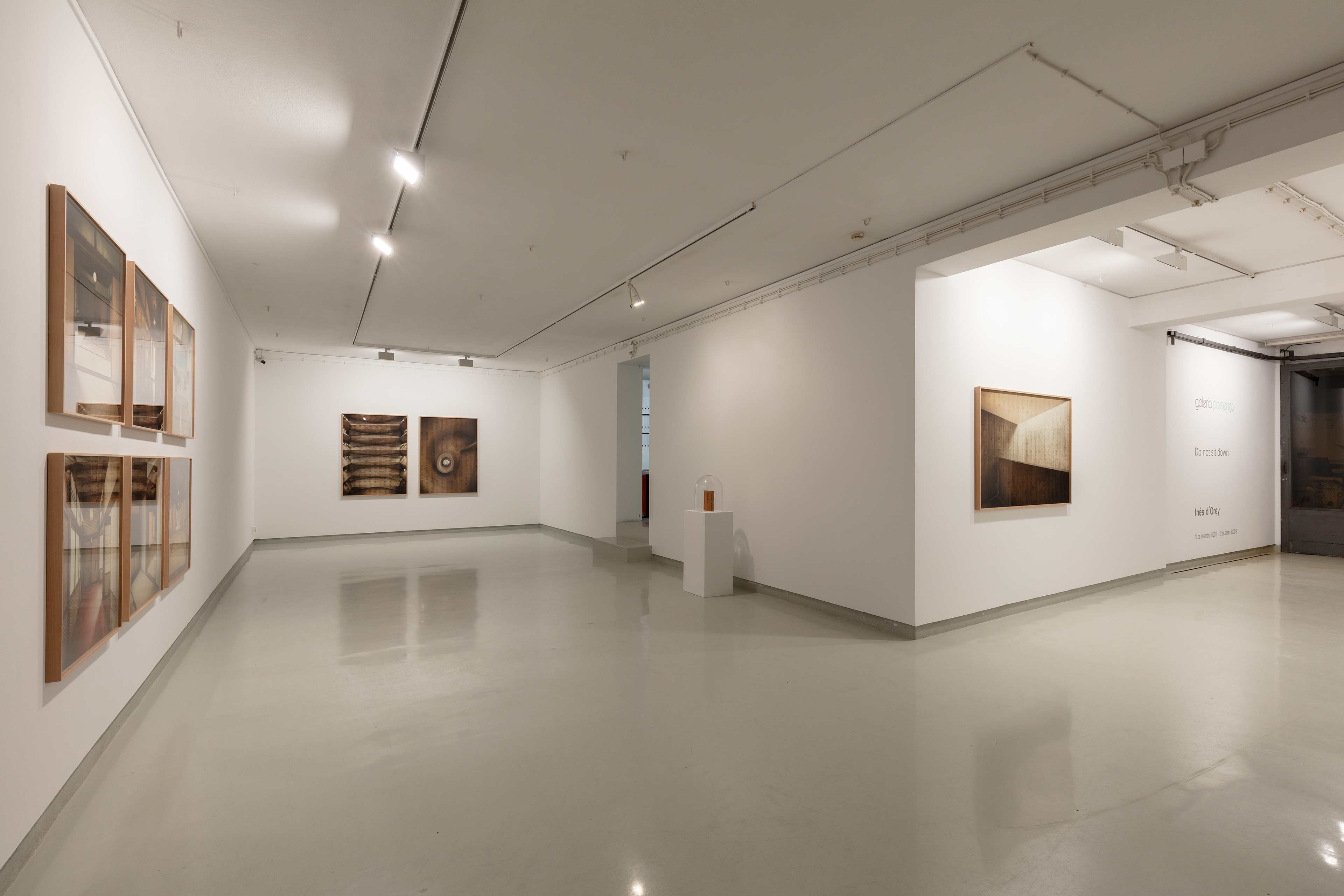
Exhibition view at Galeria Presença. 2018.
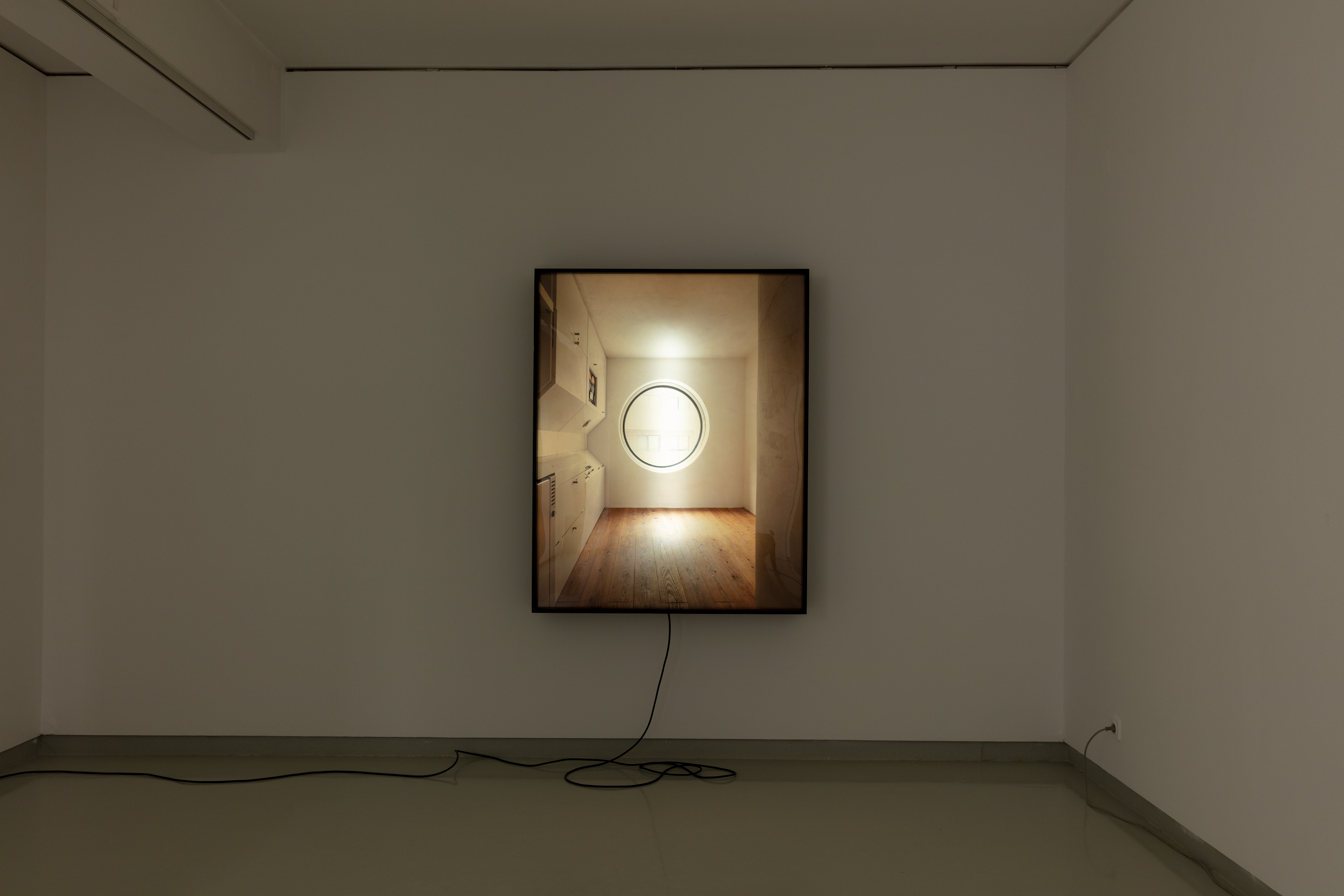
Exhibition view at Galeria Presença. 2018.
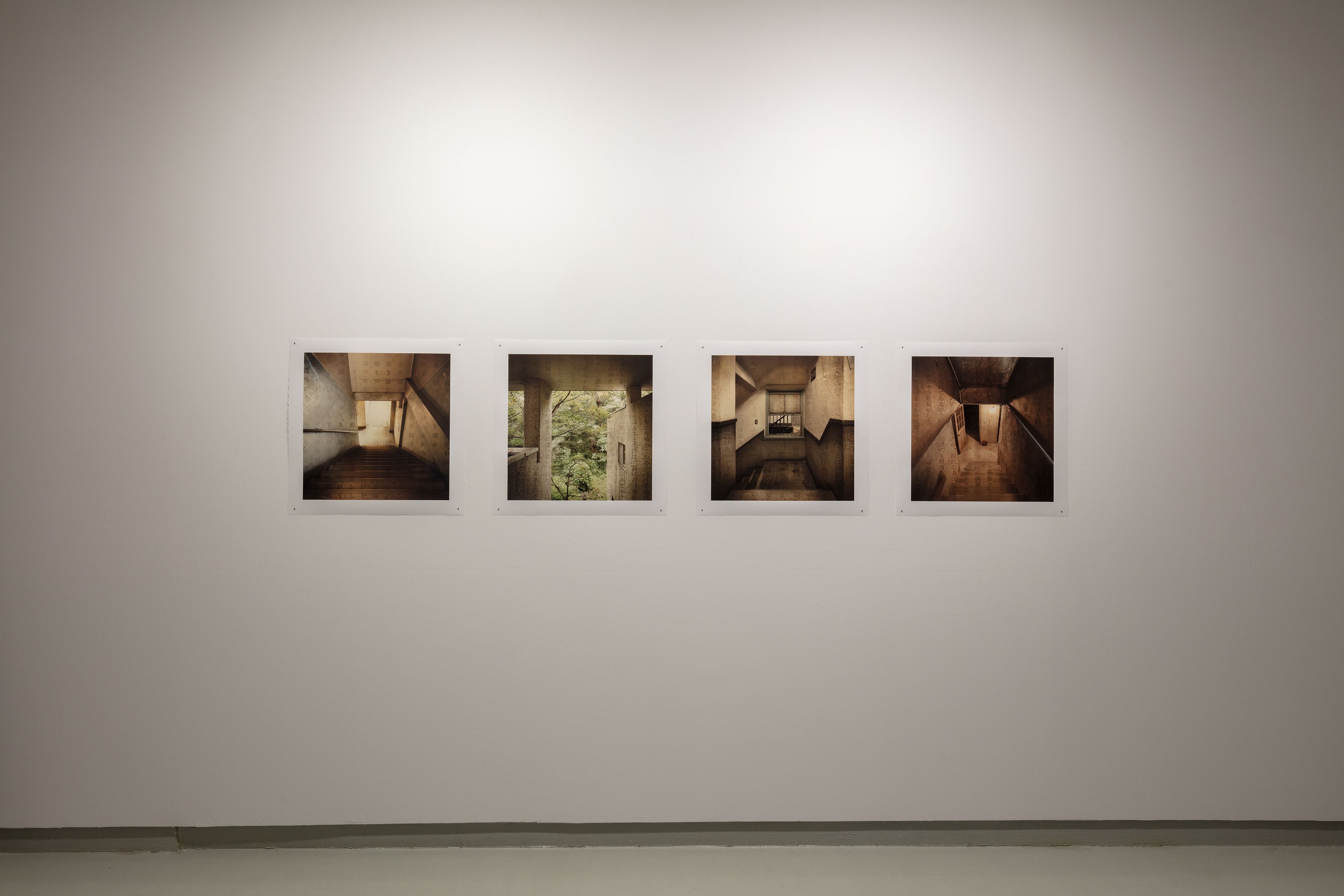
Exhibition view at Galeria Presença. 2018.
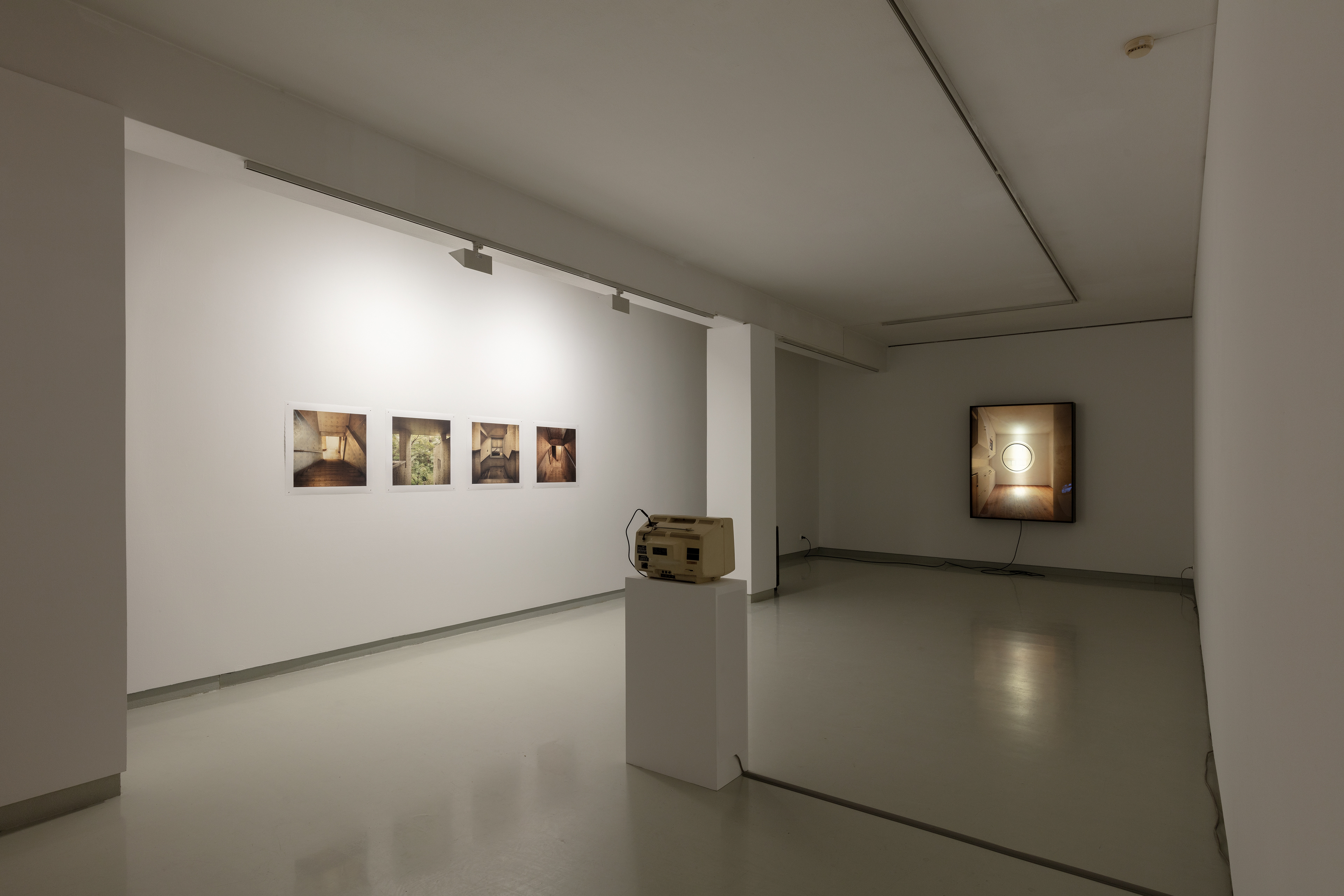
Exhibition view at Galeria Presença. 2018.
Sonshitsu
HD video, 16.9,
B&W, no sound, 60 seconds.
Do Not Sit Down: Inês d'Orey's Photographic Elegy on Tokyo's Disappearing Architectural Heritage
Written by Eric David at Yatzer
In a fast-paced city like Tokyo, defined by rising skyscrapers, digital screens and advanced robotics around every corner, modernity seems to be a powerful driving force that expels anything old, outdated or redundant. There is a wide held belief that any house over 30 years is obsolete and indeed most buildings in the city are replaced as soon as their usefulness or contemporaneity is challenged—a practice entrenched by the country’s history of earthquakes, tsunamis and widespread destruction during WWII. For her latest project, ‘Do Not Sit Down’, Portuguese photographer Inês d'Orey set out to find those rare mid-20th century buildings in Tokyo that have somehow escaped this relentless cycle of renewal. Her quest, which was inspired by the 1933’s book In Praise of Shadows by Japanese author Junichiro Tanizaki, evolved into a series of photographs of preserved interiors that document the transformation of the city’s historical heritage. Currently exhibited at Galeria Presença in the artist’s home town of Porto, the spaces in D’Orey’s photographs are imbued with a melancholic beauty not usually associated with contemporary Tokyo, evocatively conveying the fallout from the city’s inexorable march towards the future.
Unlike his novels that explore the shifting nature of 20th century Japanese society through themes of sexuality and family dynamics, Junichiro Tanizaki’s In Praise of Shadows is a small meditative essay on Japanese aesthetics expanding on a series of topics from arts and crafts, paper making and lacquerware design, to food, cosmetics and the lavatories of Japanese monasteries. Throughout the essay, the juxtaposition of traditional Japanese interiors with the Modernist ethos is represented as a struggle between the subtle shadows of the former and the dazzling light of the latter. In this sense, his essay is not that different from his fictional work as both are personal reflections on Japan’s search for a cultural identity in the modern age.
As the essay’s title suggests, in the tug-of-war between the wistful intimacy of Japanese cultural heritage and the polished sophistication of modern western life, Tanizaki is on the side of the former; and so is D’Orey. Inspired by the Tanizaki’s paean on traditional Japanese interiors, D'Orey set out to find buildings built during his lifetime—he died in 1965—which coincided with the height of the modernist era. It was no easy task since there are very few buildings that have been preserved from that time and what’s more, there is no official record. No to mention that D’Orey does not speak Japanese which made things even more difficult.
The interiors D'Orey painstakingly found are captured in a state of mindful tranquility, softened by shadows and the patina of age. They are depicted devoid of people and furniture, desolate yet entrancing, their ghostly beauty enhanced by filtered daylight or discrete lamps. Their meditative starkness has a museum quality, urging viewers to walk around, look closer, to just be in the space. In fact most of the spaces are now museums which explains why they have escaped demolition (as well as the project’s title). Not only was there no sitting anywhere or touching anything, in many cases she was not even allowed to set her camera tripod on the floor. Ironically, it was in one of the few buildings that was in use at the time, Tsukiji Fish Market, where D’Orey found an actual 'Do Not Sit Down' sign, plastered on a staircase leading up to some office space. Unsurprisingly, she later found out that the building was scheduled for demolition.
The photographs are overlaid with pages from the first edition of In Praise of Shadows that the artist found in Tokyo. Faintly unfolding across the images, they speak of the traditional interiors that have so captivated both Tanizaki and D’Orey, which are slowly disappearing just like the fonts in the photographs.
Written by Eric David at Yatzer
In a fast-paced city like Tokyo, defined by rising skyscrapers, digital screens and advanced robotics around every corner, modernity seems to be a powerful driving force that expels anything old, outdated or redundant. There is a wide held belief that any house over 30 years is obsolete and indeed most buildings in the city are replaced as soon as their usefulness or contemporaneity is challenged—a practice entrenched by the country’s history of earthquakes, tsunamis and widespread destruction during WWII. For her latest project, ‘Do Not Sit Down’, Portuguese photographer Inês d'Orey set out to find those rare mid-20th century buildings in Tokyo that have somehow escaped this relentless cycle of renewal. Her quest, which was inspired by the 1933’s book In Praise of Shadows by Japanese author Junichiro Tanizaki, evolved into a series of photographs of preserved interiors that document the transformation of the city’s historical heritage. Currently exhibited at Galeria Presença in the artist’s home town of Porto, the spaces in D’Orey’s photographs are imbued with a melancholic beauty not usually associated with contemporary Tokyo, evocatively conveying the fallout from the city’s inexorable march towards the future.
Unlike his novels that explore the shifting nature of 20th century Japanese society through themes of sexuality and family dynamics, Junichiro Tanizaki’s In Praise of Shadows is a small meditative essay on Japanese aesthetics expanding on a series of topics from arts and crafts, paper making and lacquerware design, to food, cosmetics and the lavatories of Japanese monasteries. Throughout the essay, the juxtaposition of traditional Japanese interiors with the Modernist ethos is represented as a struggle between the subtle shadows of the former and the dazzling light of the latter. In this sense, his essay is not that different from his fictional work as both are personal reflections on Japan’s search for a cultural identity in the modern age.
As the essay’s title suggests, in the tug-of-war between the wistful intimacy of Japanese cultural heritage and the polished sophistication of modern western life, Tanizaki is on the side of the former; and so is D’Orey. Inspired by the Tanizaki’s paean on traditional Japanese interiors, D'Orey set out to find buildings built during his lifetime—he died in 1965—which coincided with the height of the modernist era. It was no easy task since there are very few buildings that have been preserved from that time and what’s more, there is no official record. No to mention that D’Orey does not speak Japanese which made things even more difficult.
The interiors D'Orey painstakingly found are captured in a state of mindful tranquility, softened by shadows and the patina of age. They are depicted devoid of people and furniture, desolate yet entrancing, their ghostly beauty enhanced by filtered daylight or discrete lamps. Their meditative starkness has a museum quality, urging viewers to walk around, look closer, to just be in the space. In fact most of the spaces are now museums which explains why they have escaped demolition (as well as the project’s title). Not only was there no sitting anywhere or touching anything, in many cases she was not even allowed to set her camera tripod on the floor. Ironically, it was in one of the few buildings that was in use at the time, Tsukiji Fish Market, where D’Orey found an actual 'Do Not Sit Down' sign, plastered on a staircase leading up to some office space. Unsurprisingly, she later found out that the building was scheduled for demolition.
The photographs are overlaid with pages from the first edition of In Praise of Shadows that the artist found in Tokyo. Faintly unfolding across the images, they speak of the traditional interiors that have so captivated both Tanizaki and D’Orey, which are slowly disappearing just like the fonts in the photographs.